The Apple Watch is perhaps the most popular smartwatch on the market — and for the right reasons. The vast number of features, a number of sport tracking modes, and tight integration with the iPhone make it one of the best smartwatches to buy for most people.
I’ve been using the Apple Watch SE (1st generation) since late 2020. While I’m an analog watch person, whenever I put on my Apple Watch, I’m reminded of how fluid the experience with iPhone is. But the device lacks one major functionality that its competitors are offering even on their cheaper options.
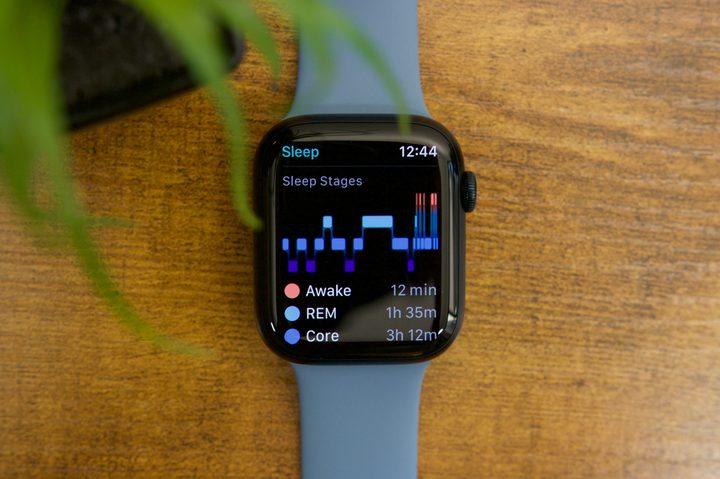
I’m talking about sleep tracking. The Apple Watch lets you track your sleep, but it isn’t accurate or up to Apple’s usual standards. I was hoping for the feature to get better with watchOS 10 … but it didn’t.
No auto sleep tracking is a big miss
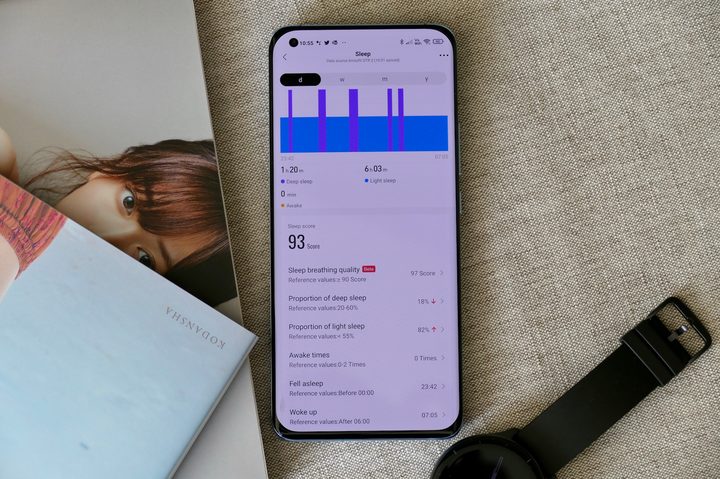
To make your Apple Watch detect and track your sleeping hours, you need to go to the Health app on your iPhone, tap on Set up Sleep, and set your sleep goals, bedtime, and wake-up time. You can further select Sleep Focus to limit the notifications on your iPhone. On the other hand, when I’m wearing an Amazfit smartwatch, all I need to do to enable sleep tracking is toggle a button inside the Zepp app. That’s it. No process to set up, no logging of sleep time or wake-up hours, nothing. Just a tap of a button.
The current form of sleep tracking might work for people who follow a strict routine, but it doesn’t work for me. I work odd hours. I write for a living, and I find myself going through articles at night. It’s the best time for me to write, but it’s not regular.
For instance, sometimes I fall asleep at 1 a.m., while there are other occasions when I find myself sleeping at 6 a.m. It depends on the kind of work I have on my plate and the book by my bedside. I usually sleep in shifts – five hours in the morning and two to three hours after lunch.
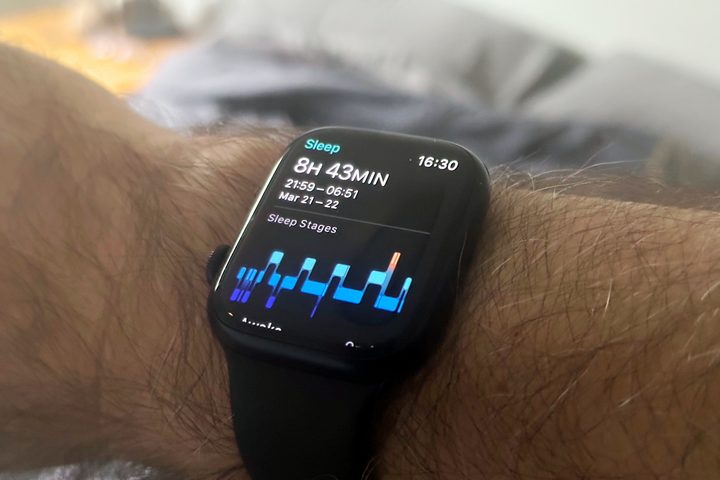
I’ve set the sleep and wake-up times for when I should ideally be sleeping, but that doesn’t happen as often as I’d like. As a result, the Apple Watch’s sleep tracking is horrible for me. It shows that I’ve spent six hours in bed but doesn’t tell me my sleep duration or other data accurately.
By contrast, if I’m wearing an Amazfit, it logs everything without any user input. It tracks my sleep no matter when I go to sleep and when I wake up. Plus, it logs my naps as well. The only way to track naps on Apple Watch is by creating another sleep schedule in the Health app. The omission of auto nap tracking in watchOS 10 is a big miss, at least for me. The amount of sleep I’m getting is the primary data I care about from my smartwatch, alongside the smart features.
Not having auto sleep tracking is one thing, but prompting me to stand up while I’m taking a nap is baffling. The other day, when I woke up from my nap at 4 p.m., I had a “Time to stand up” notification waiting for me on my Apple Watch SE, which was sent while I was sleeping. I don’t understand why it is so hard for the Apple Watch to understand when I’m asleep.
The Apple Watch should be smarter than this
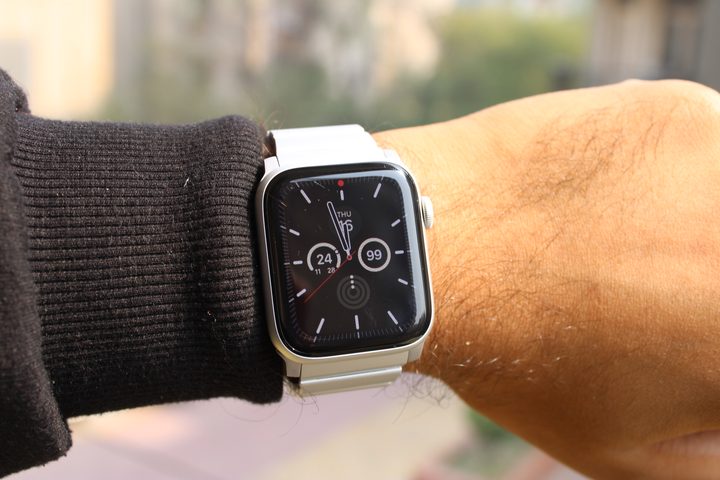
The Apple Watch remains the best wearable if you want it as an extension of your iPhone – like if you don’t want to miss out on notifications or reply to messages from your wrist.
The Amazfit alternatives still lack actionable notifications, so you can’t reply to messages. But the absence of auto sleep tracking and nap tracking on the Apple Watch is a big miss for me. Apple missed the mark this time around, so here’s to hoping that changes later this year with the Apple Watch Series 9. If not then, we’ve always got watchOS 11 in 2024.