1. Home
  2. Wearables
  3. News

Digital Trends may earn a commission when you buy through links on our site. Why trust us?

Apple’s next wearable bet could be a screen-less fitness band to rival Whoop and Fitbit Air

Apple is testing a screenless fitness band that could sit alongside the Apple Watch

Add as a preferred source on Google
A person wearing the Whoop 5.0.
Andy Boxall / Digital Trends

Over the past couple of years, fitness bands without a screen have emerged as the hottest wearable category. Whoop remains the biggest name in the segment, but the competition has quickly caught up. Google already has its feet in the game with the Fitbit Air, while the likes of Garmin are also trying to grab a piece of the pie. 

The next entrant in the screenless wristband segment could be Apple. According to a report by Bloomberg, Apple is currently developing a screenless fitness band and is said to be currently working on prototypes. As per the outlet, the device may not see a market release before 2028, and so far, the company has not formally decided whether it wants to sell a screenless fitness band.

Apple is testing a very different kind of wearable

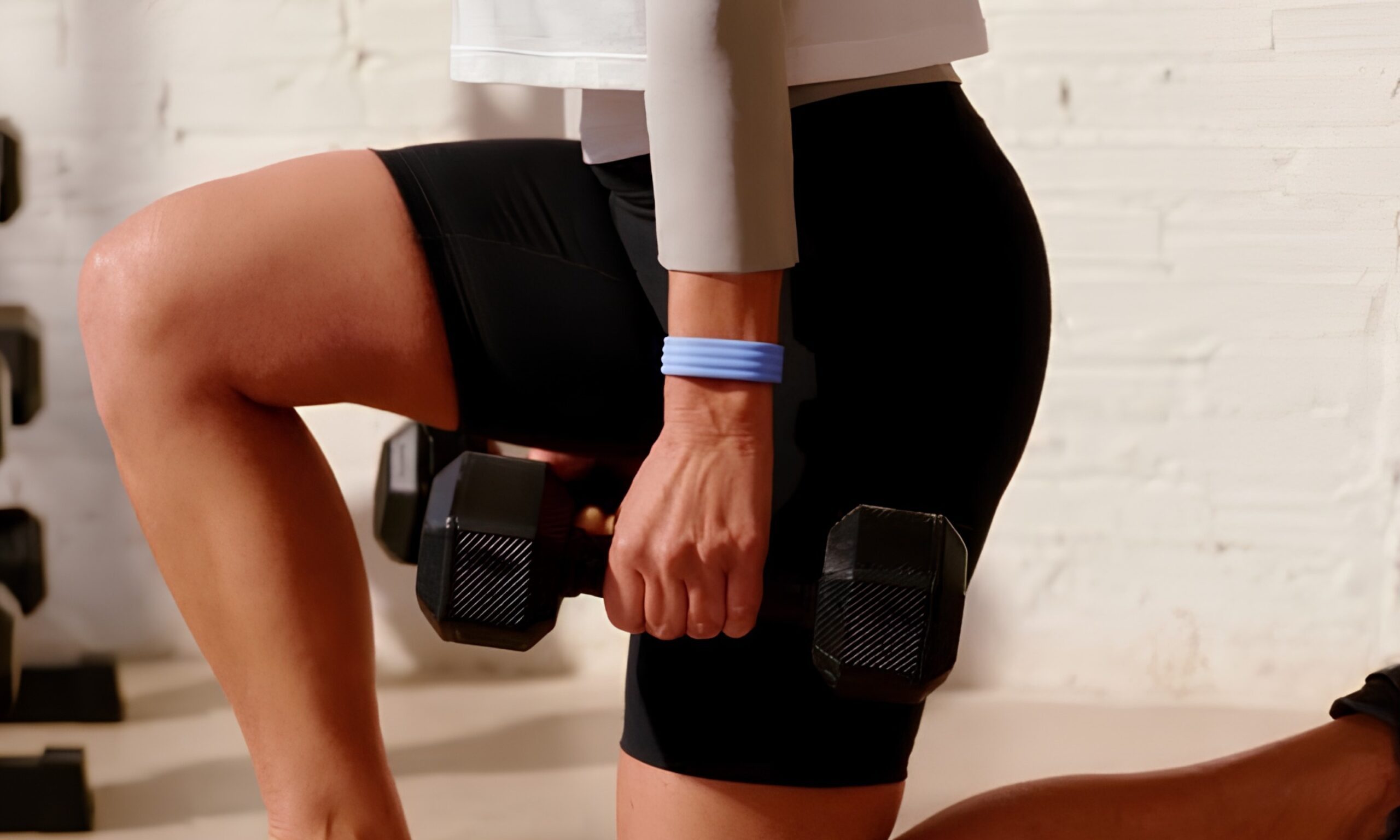
“The prototypes feature a thin fabric band with a sensor-equipped computing module. The absence of a screen would distinguish the device from the Apple Watch, a display-centric product that combines fitness tracking with apps, notifications and other functions,” says the report.
A screenless fitness band would be a natural evolution of Apple’s focus on health-centric wearables. The company brought smartwatches into the mainstream and has slowly baked health-centric features into other wearable formats. Most recently, the company put a heart rate sensor on the AirPods, and next year, the company is expected to launch an updated AirPods Pro with built-in camera sensors.

The fitness band could be part of a much bigger hardware push

The rumors of Apple working on yet another device form factor in the form of a screenless band come at a time when the company is expected to dramatically expand its product portfolio. Later this year, the Cupertino giant is rumored to launch a redesigned MacBook Pro with a touch-sensitive OLED screen, alongside a smart home device that is supposed to be wall-mounted and looks like an iPad.

Recommended Videos

Smart glasses are also said to be in development at Apple, and we are also hearing murmurs about an AI-powered pendant, though Bloomberg reports that the latter has been postponed for the foreseeable future.

Sudhanshu Kumar Mangalam
I’ve got about 4 years of experience, mostly covering gaming, PC hardware, and smartphones. In my free time, I like…
Nothing might be taking on Meta with its own smart glasses
Viture Pro 2 smart glasses

Nothing has already made a name for itself with smartphones, earbuds, and other accessories that look a little different from everything else on the market. Now, the company may be preparing to add another product category to its lineup: smart glasses.

According to Roland Quandt, who shared the details on Bluesky, Nothing is working on two different types of smart glasses. One will reportedly focus on audio, letting you listen to music and take calls, while the other could offer a built-in camera, ChatGPT integration, and translation features. While Nothing hasn't officially confirmed either product, the leak gives us an early idea of what the company might be planning.

Read more
Samsung Health now needs just 3 days of sleep data to coach you toward better sleep
Samsung is making its Sleep Coaching feature easier to access while adding more personalized advice and clearer sleep reports.
Samsung health sleep tracking

Samsung is making it much easier to get started with Sleep Coaching in the Samsung Health app. With its latest update, you only need three days of sleep data from the past two weeks to begin, down from seven days in a month.

I think that’s a welcome change. Sleep Tracking only tells you how you slept, while Sleep Coaching tries to help you build better sleep habits. Lowering the requirement means you reach the more useful feature much sooner.

Read more
Fitbit Edge gives me more features, but my money’s still on the Fitbit Air
Fitbit Edge vs Fitbit Air: Sometimes, less really is more
Google Fitbit Edge launched

I'll admit, Google's new Fitbit Edge looks on par with some of the great fitness bands coming out of China. It takes everything I appreciate about traditional Fitbit trackers and wraps it in a sleek design and better polish. You get a 1.34-inch Hybrid OLED display, built-in GPS, ECG support, and a physical button. Google has even made the battery replaceable, something I genuinely appreciate in an era when most wearables become disposable once their batteries deteriorate.

For $179.99, the Edge seems to be reasonably priced too. However, the more I think about what I'd actually want from a fitness tracker, the more I lean towards Google's $99.99 Fitbit Air. Believe it or not, the lack of a display is also the Air's biggest strength.

Read more