Two sizes, three colors, 18 different straps
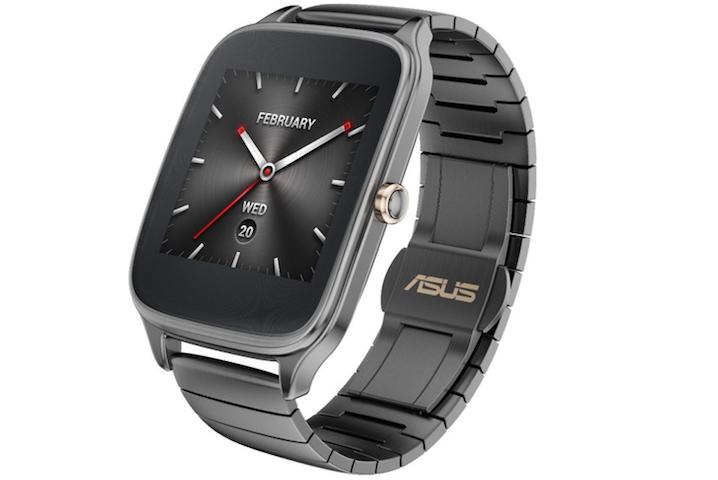
Asus understands one watch won’t suit every wrist, and has made the ZenWatch 2 the most personal Android Wear device we’ve seen yet. The stainless steel body comes in two different sizes, with the larger model measuring 49mm x 41mm, and the smaller 45mm x 37mm. The strap also differs, and the bigger ZenWatch 2 has a 22mm strap, while the smaller one has an 18mm strap.
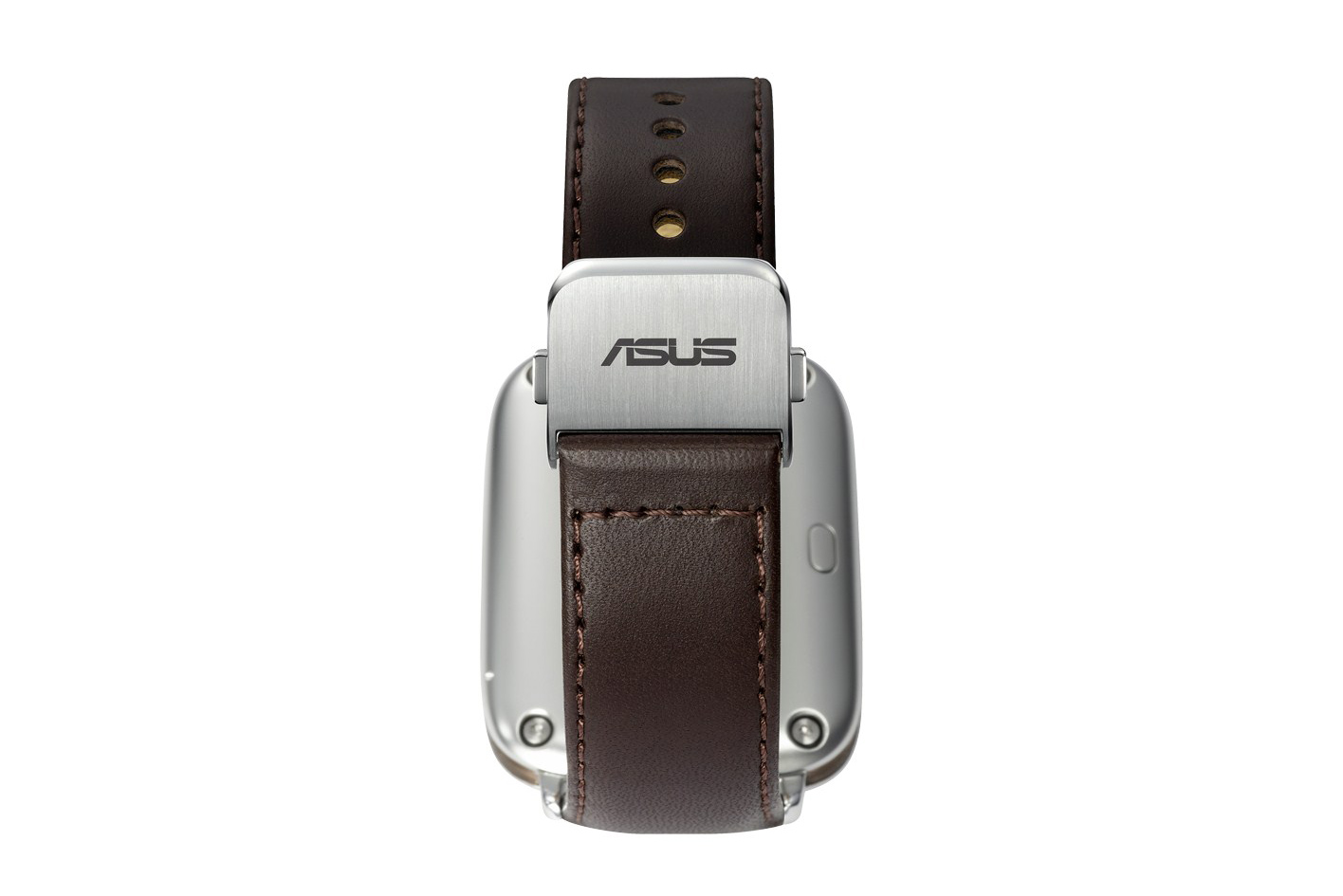
Sold in colorful rubber, as a stainless steel metal link bracelet, or various leathers; there were 18 different types of strap announced in China, including a Swarovski crystal-studded leather band, giving considerable freedom when it comes to style and design. For its international release, three different straps will be sold separately, and made available in three different colors.
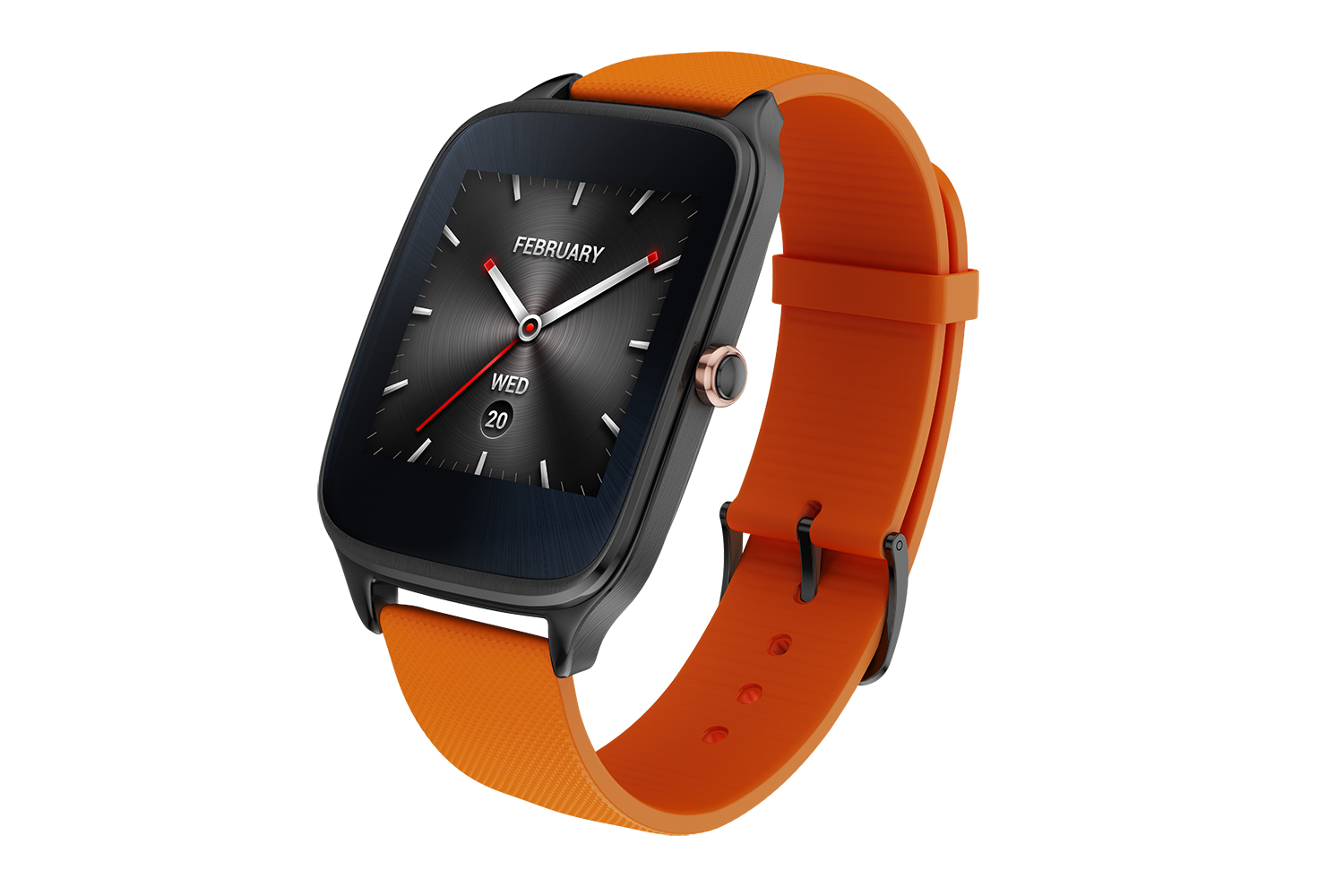
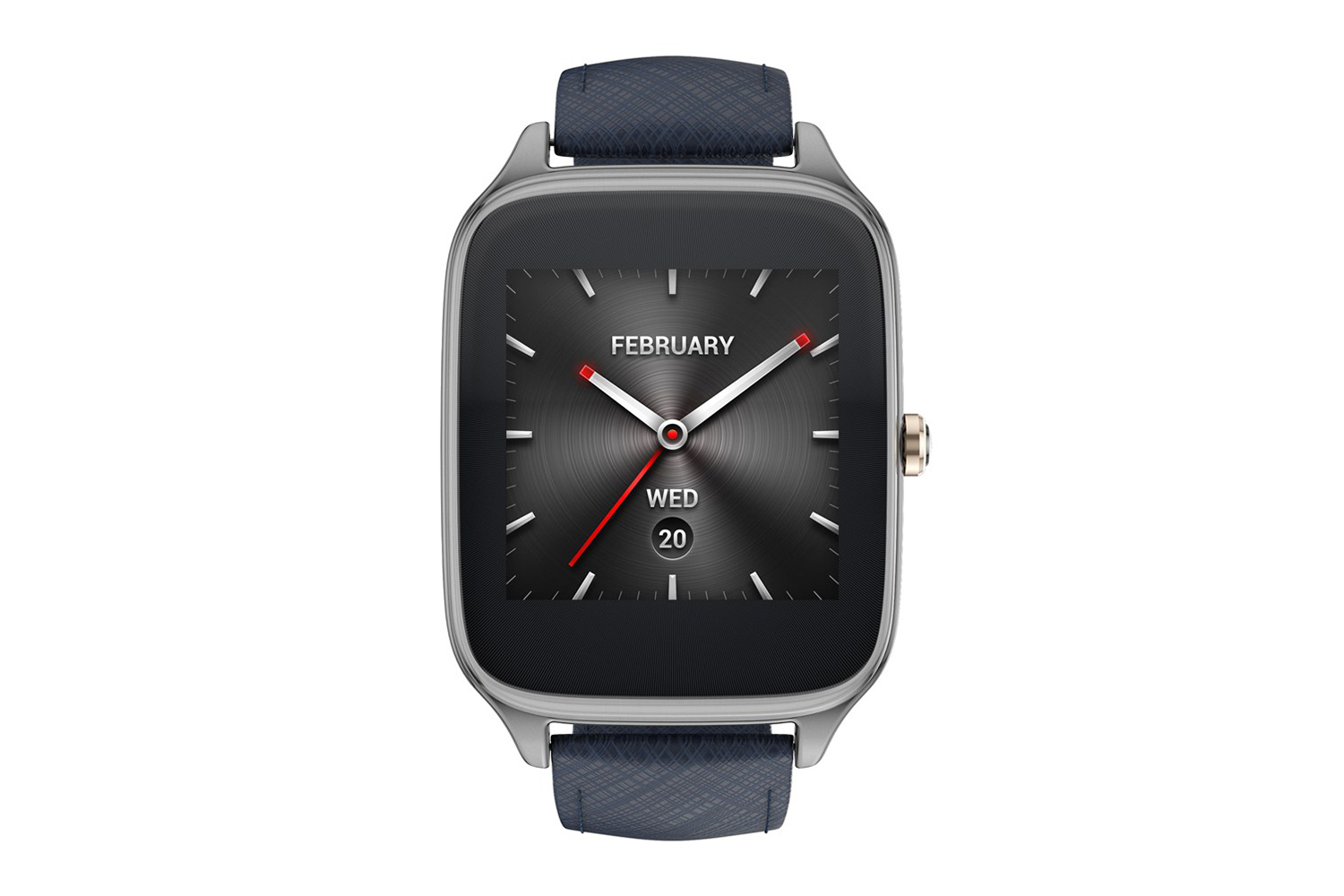
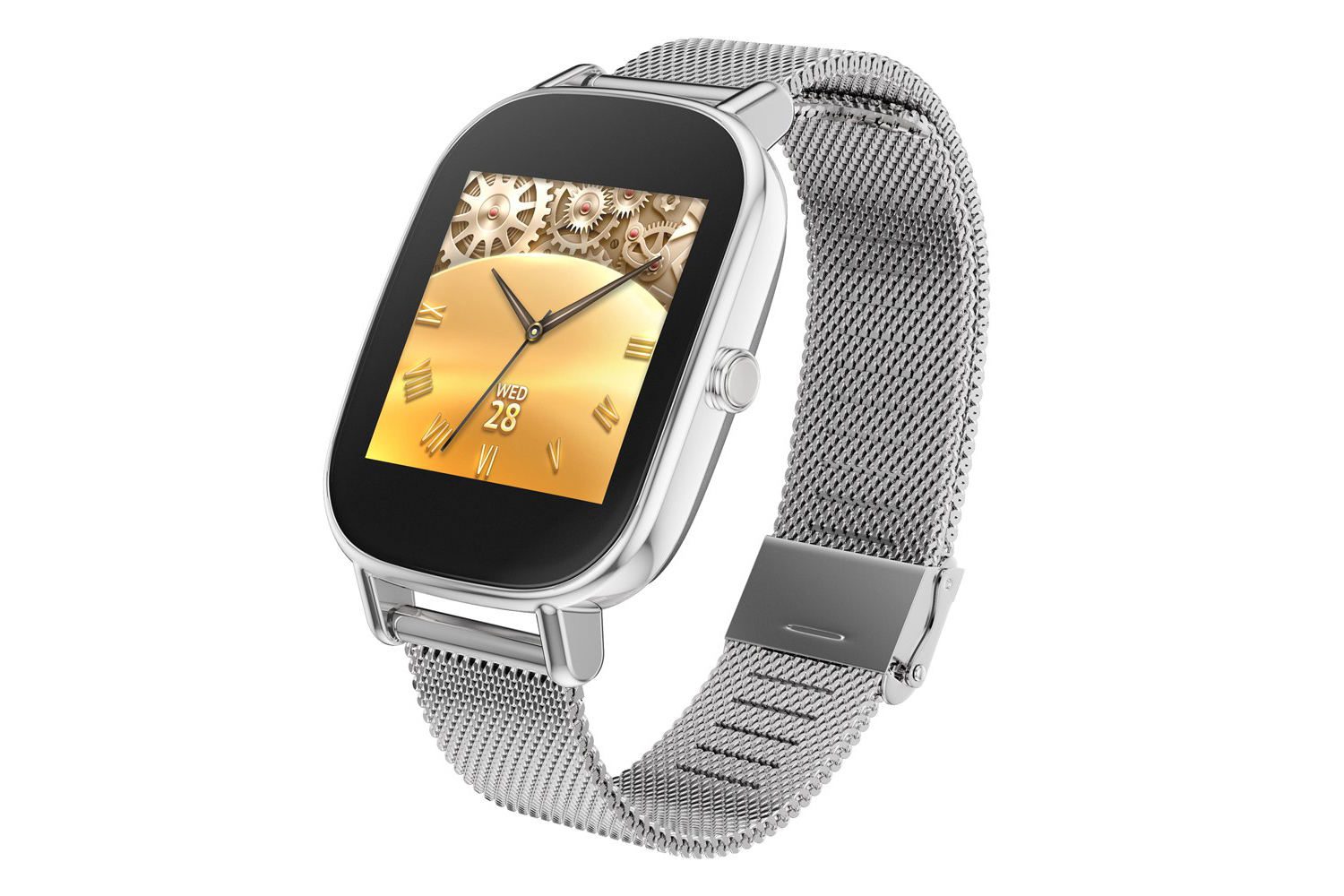


The ZenWatch 2’s AMOLED screen is covered in a 2.5D curved Gorilla Glass 3 panel, and measures 1.63 inches on the bigger watch, and 1.45 inches on the smaller one. The resolution’s different too, at 320 x 320 on the former and 280 x 280 on the latter. The body looks slim and stylish, but it comes at a cost: that massive bezel that surrounds the screen.
Asus has shrunk the battery down to fit inside the smaller watch. It’s a 300mAh cell returning 57 hours of standby in ambient mode, while the 400mAh cell in the 49mm watch should give 66 hours. Asus is also releasing an accessory called the ChargeBack, which is a small 155mAh extended battery pack, specifically designed for the ZenWatch 2.
A magnetic charger, and a digital crown
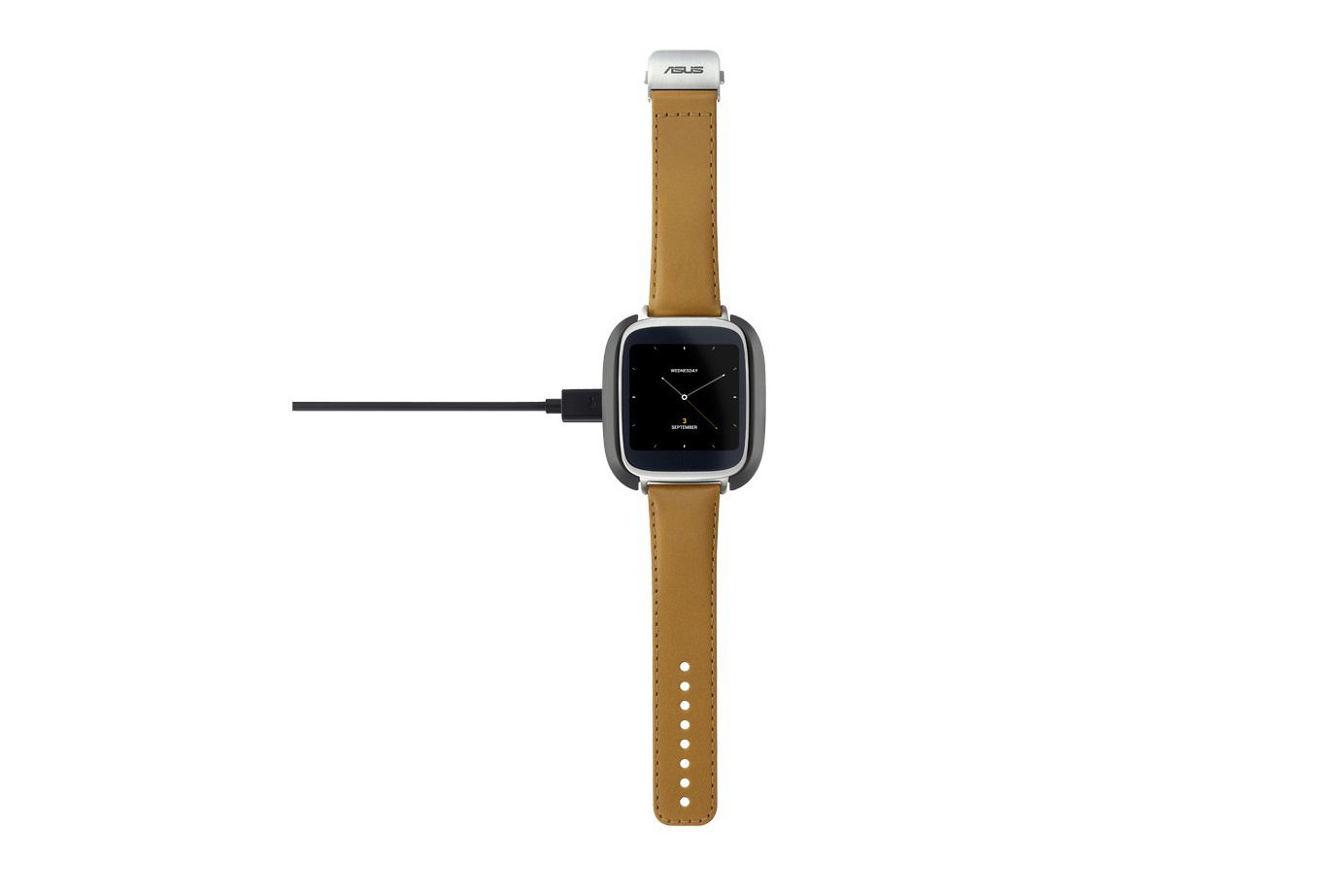
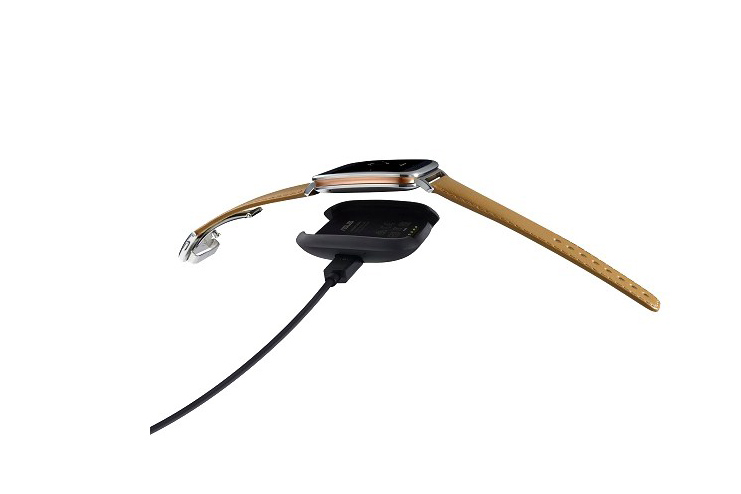
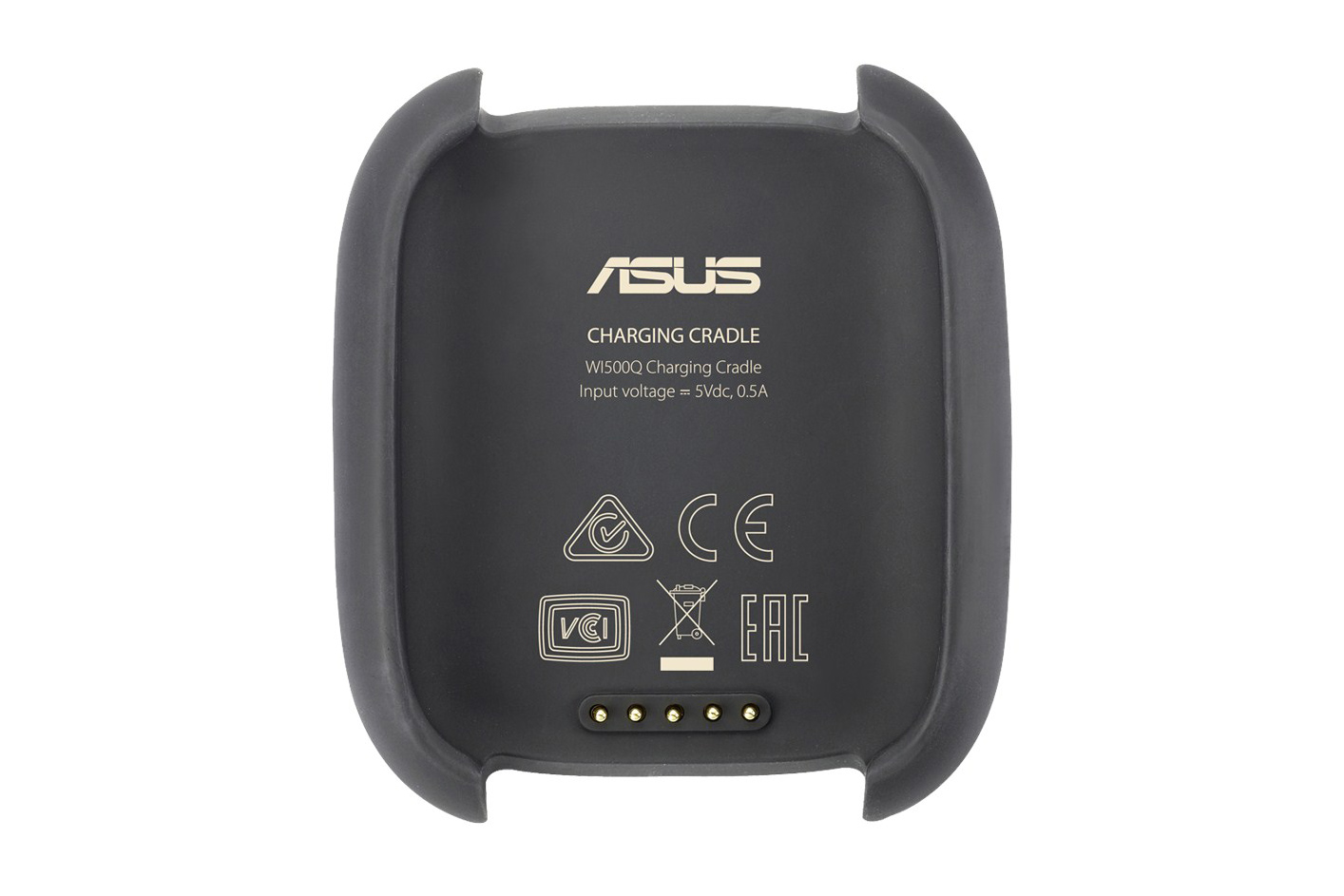
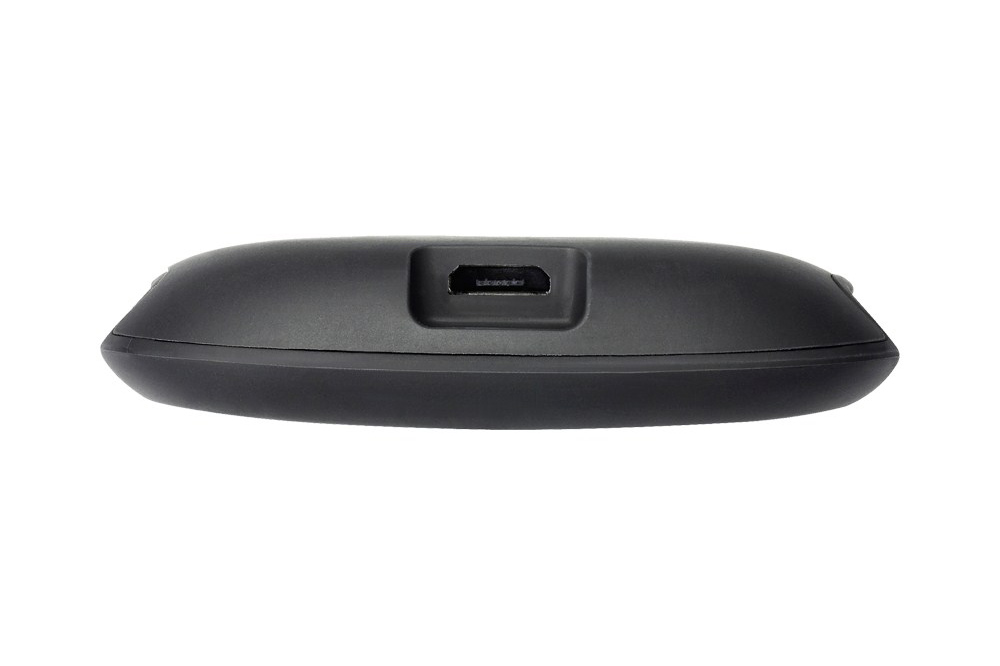
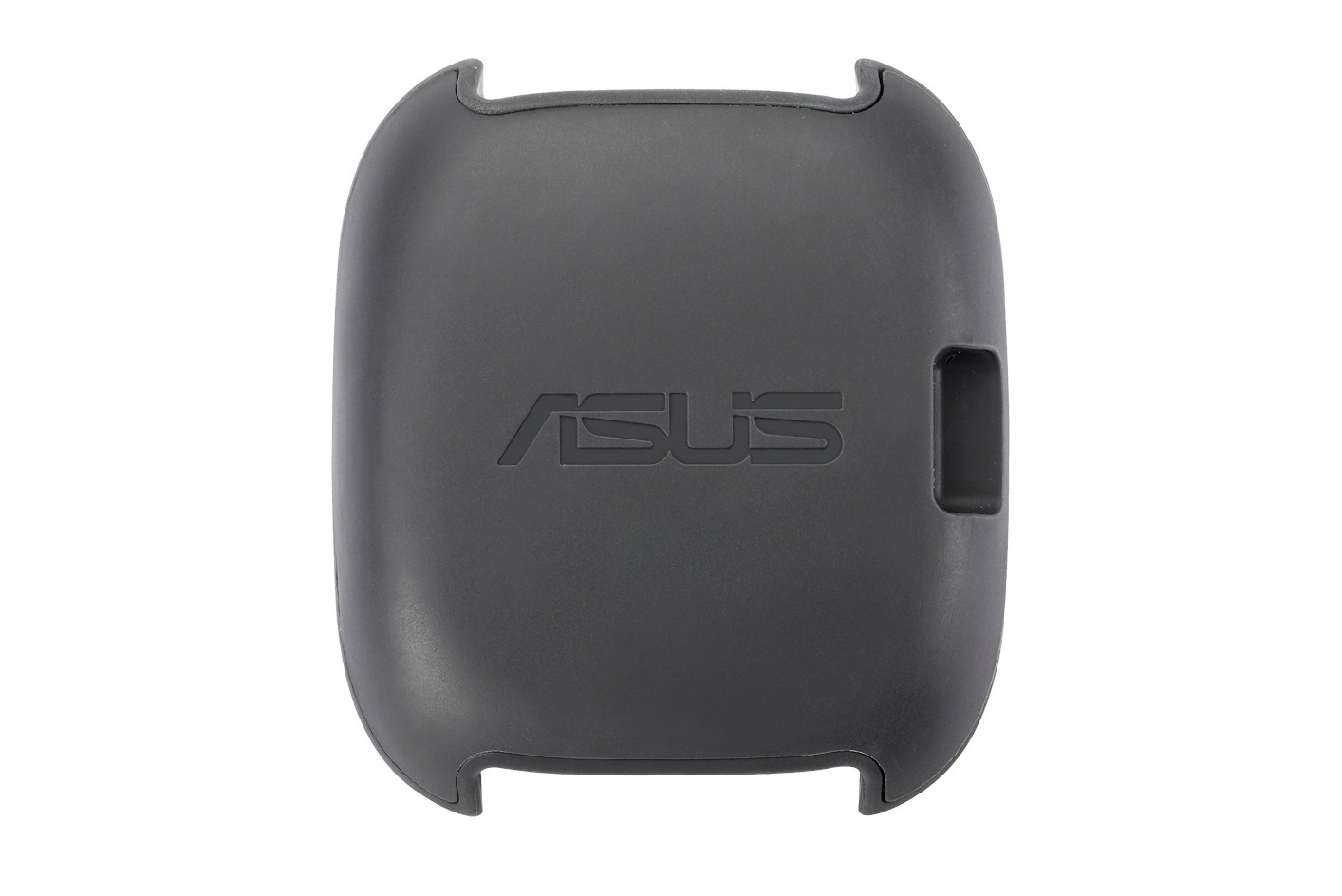
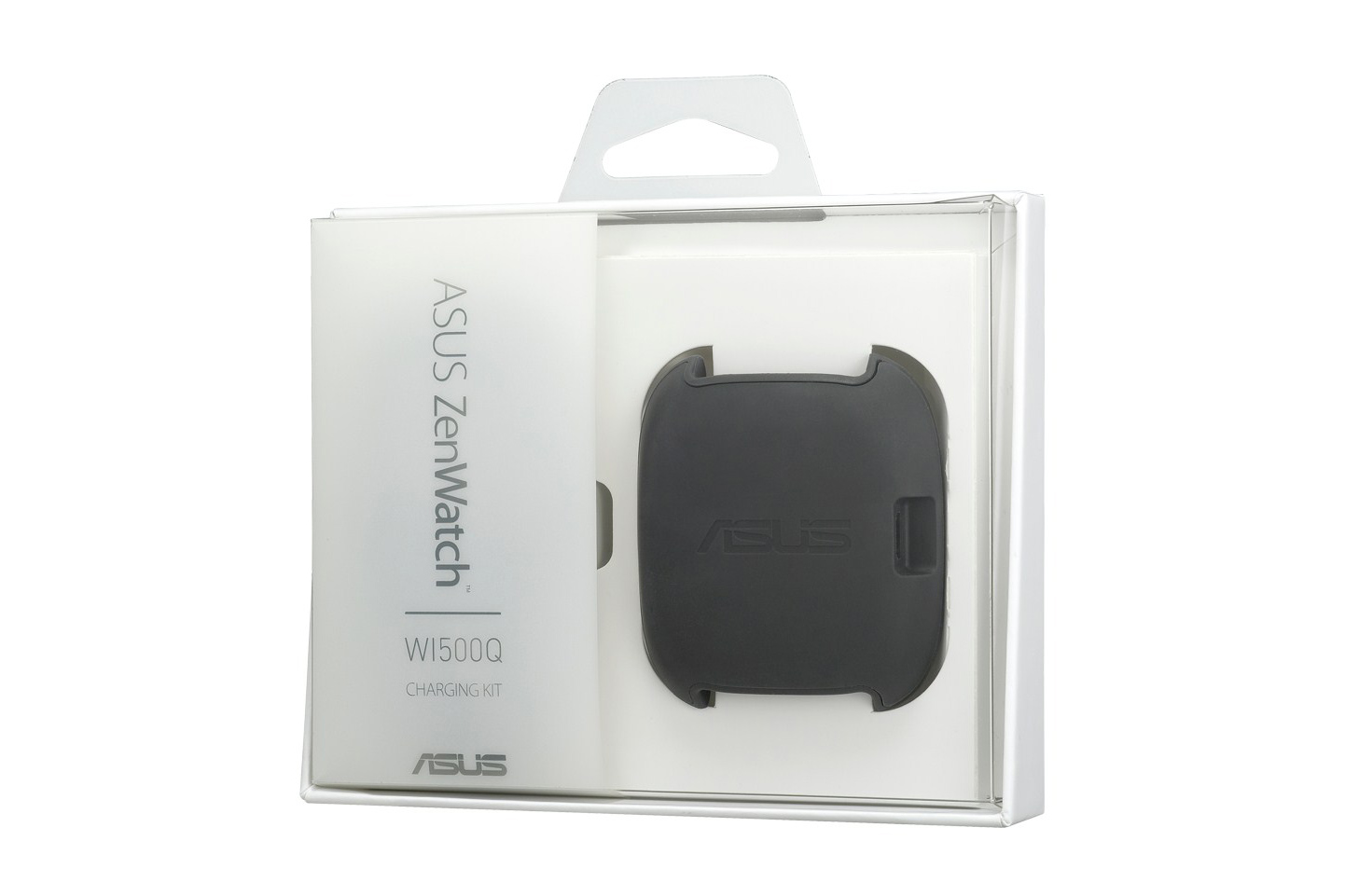
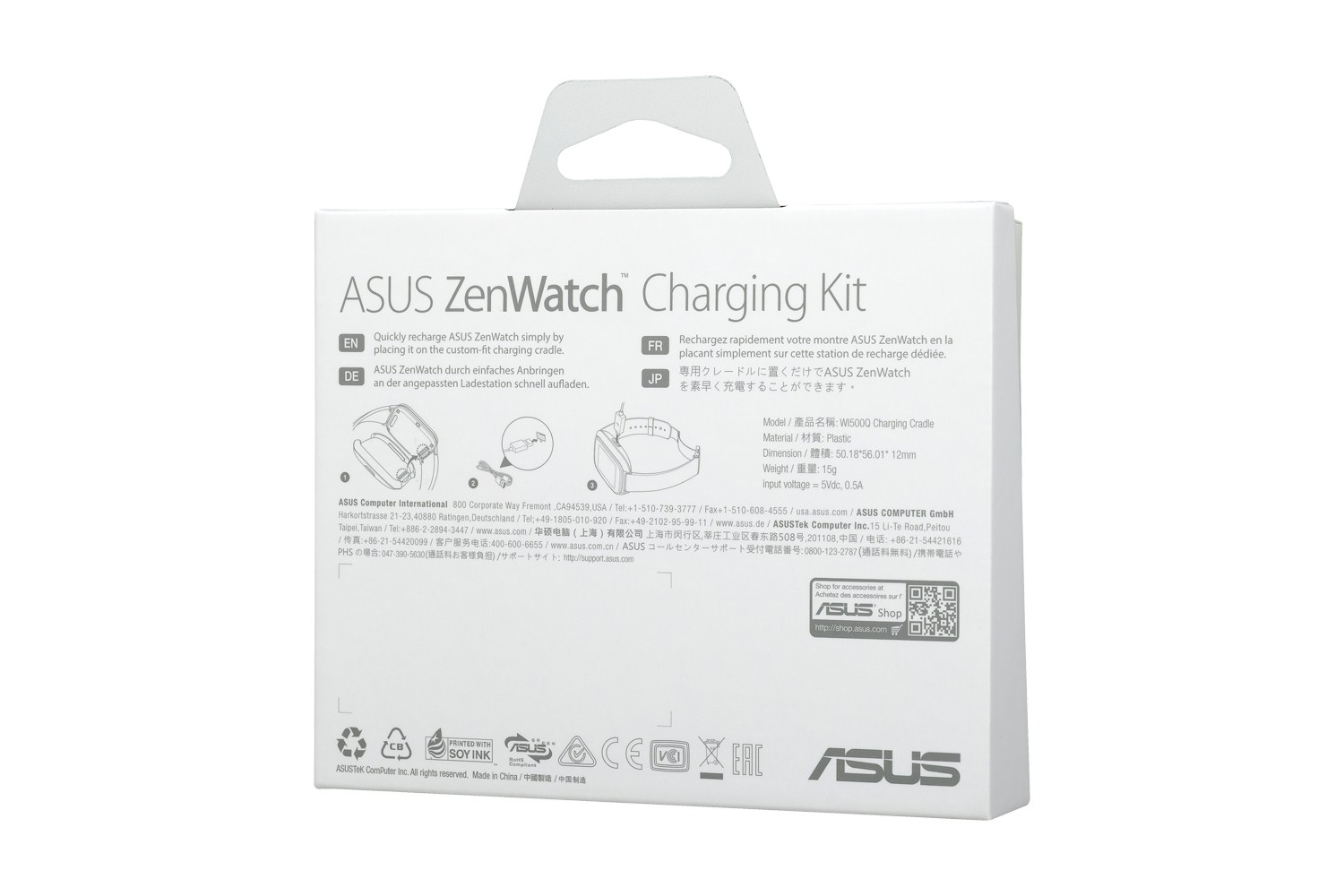
A magnetic charger clips to the ZenWatch 2 that’s said to “dramatically improve battery recharge times.” According to the press materials, the battery will reach 50 percent capacity in 36 minutes. Like the Apple Watch, the ZenWatch 2 has a digital crown, which can be used to control the Android Wear OS.
On the software side, Asus says it has improved the experience over the first ZenWatch. There’s all the fitness tracking features, along with a new wellness app for the phone, plus a comprehensive remote control for the camera, including the option to change from front to rear camera, and to adjust the zoom. The watch also has a new FaceDesigner app, 50 exclusive watch faces, and Wi-Fi support.
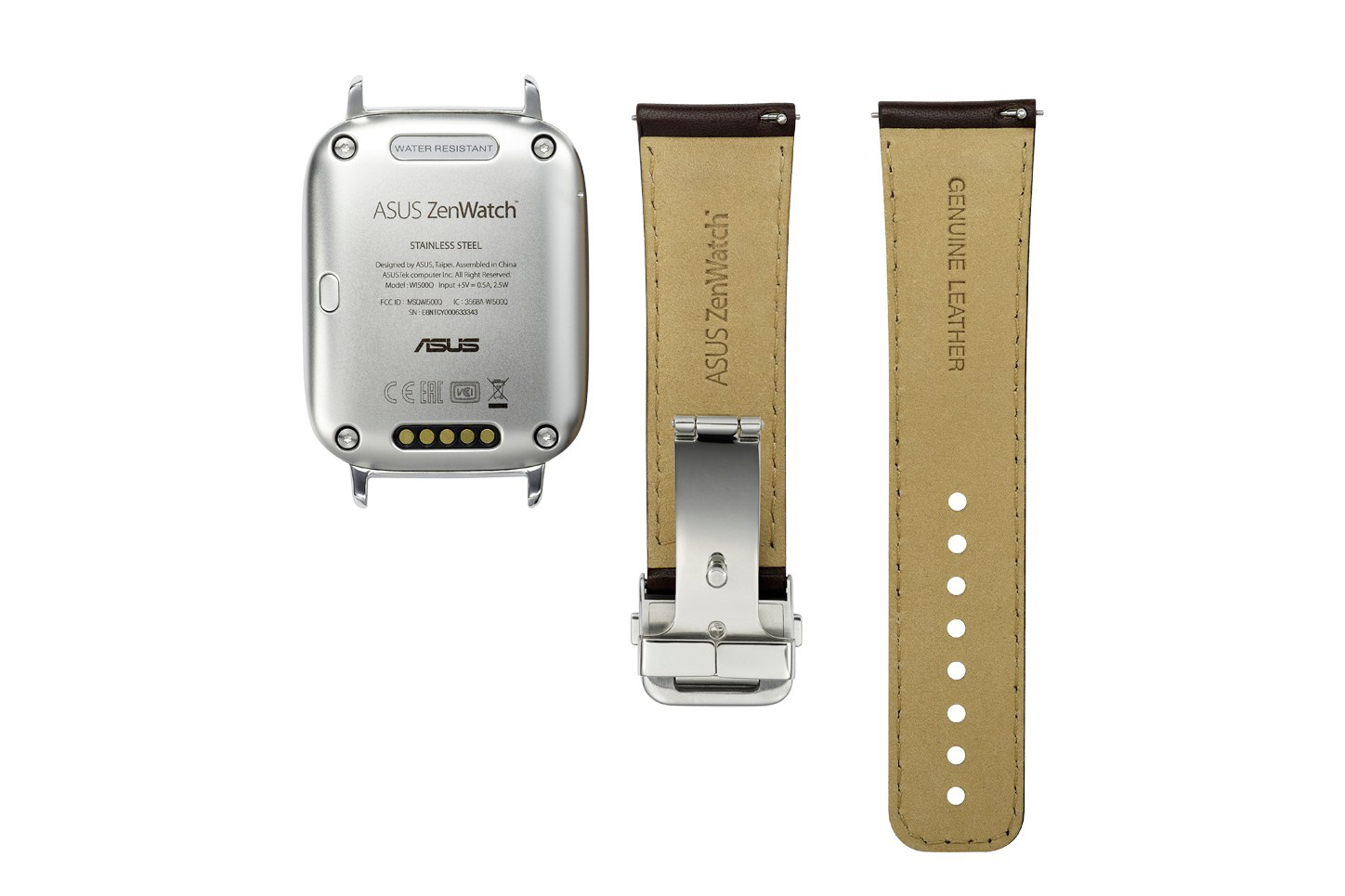
Asus has put a Qualcomm Snapdragon 400 processor inside, with 512MB of RAM, and 4GB of internal memory, plus the whole device has IP67 standard water resistance.
Sales will begin in October, and the ZenWatch 2 will cost 150 euros (about $167) for the small version, and 170 euros (that’s about $190) for the larger model. We’ll update here with news of a U.S. release and prices.
The ZenWatch 2 will run Android Wear and the battery will last 4 days
Battery life is currently the bane of a smartwatch’s existence. However, it might not always be such a huge issue, revealed Asus CEO Jerry Shen at a recent event. Shen openly told Focus Taiwan that Asus will still make watches using Google’s wearable OS, even though battery life is a concern, and hopes to increase the battery life of Asus’ next Android Wear smartwatch significantly.
In May 2015, Shen confirmed the ZenWatch 2 will run Android Wear, and referenced improvements to the smartwatch OS that will make it more efficient and easy to use. However, he admitted the battery life is still disappointing despite all this. However, Asus has apparently managed to bump the ZenWatch 2’s battery life up to four days.
During an earlier event, Shen’s fellow Asus executive Jonney Shih cryptically hinted that Asus’ ZenWatch will have improved battery life. He used the company’s VivoWatch, which runs a simpler OS and boasts 10-day battery life, as a reference.
“The ZenWatch is defined by us as a companion to a smartphone, and we think it still has a lot of room for improvement,” Shih said, according to the Taipei Times. “As a companion device, its central processing unit and operating system should be more simplified than the current version, so that I can use it for up to seven days on one charge, rather than for just two days.”
Obviously, Asus didn’t meet its ambitious seven-day goal, but four days is still a huge improvement over most Android Wear smartwatches.
Asus will show it off at Computex in June
In an interview with Focus Taiwan, Shen stated that Asus will show off the ZenWatch 2 at the Computex tech show that takes place in Taiwan during early June. The wearable device will go on to launch in the third quarter of 2015, which jibes with earlier statements from Shih that placed the second ZenWatch release around the same time frame.
Updates:
Updated on 09-02-2015 by Andy Boxall: Added in official release news for the ZenWatch 2 from the IFA tech show in Berlin.
Updated on 06-01-2015 by Andy Boxall: Added in official release news for the ZenWatch 2.
Updated on 05-13-2015 by Malarie Gokey: Added statement from Asus CEO Jerry Shen that the watch will run Android Wear, arrive at Computex in June, and launch in Q3 of 2015.
Updated on 02-16-2015 by Malarie Gokey: Added statement from Asus CEO Jerry Shen that the company will make a non-Android Wear smartwatch, but isn’t leaving Google’s wearable OS for good.
Editors' Recommendations
- The best Asus ROG Phone 2 accessories to help you master mobile games
- Asus ROG Phone 2: Here’s everything you need to know about it