
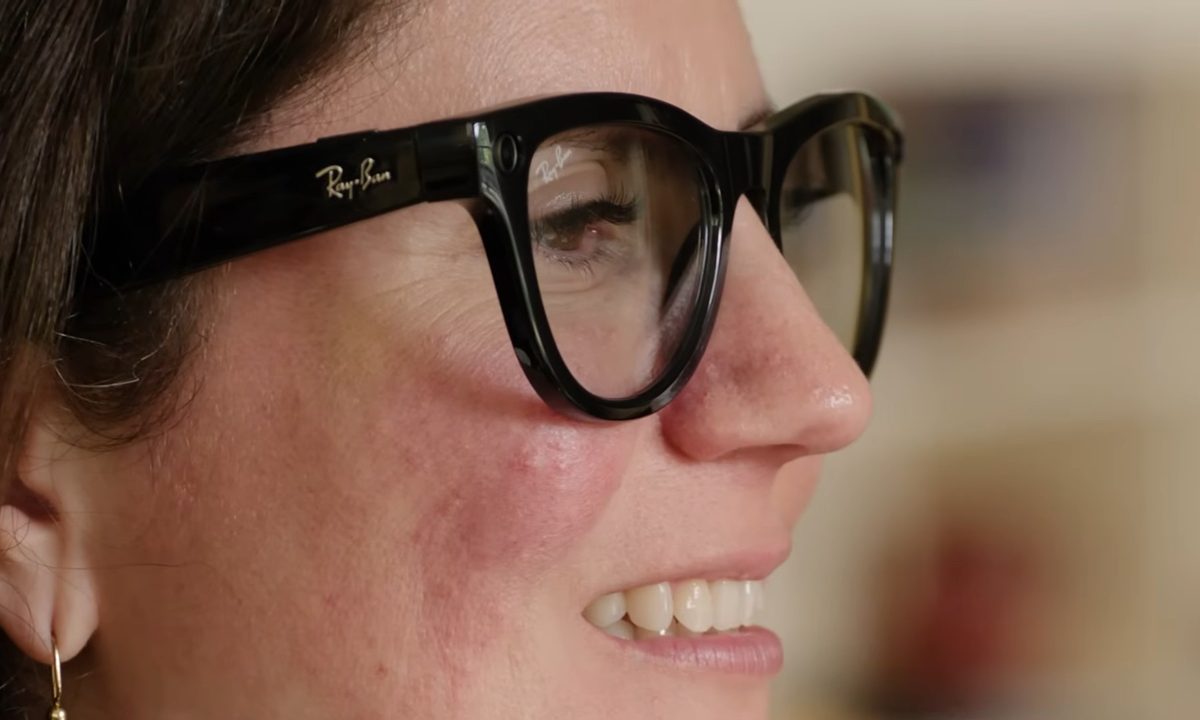
While smart glasses are getting better at blending in with ordinary eyewear, they have also caught the attention of Australia’s federal government, which is now wondering if they are even suitable for the workplace.
Finance and Public Service Minister Katy Gallagher has asked the Australian Public Service Commission for advice on the use of smart glasses across Commonwealth workplaces, including whether they should be prohibited altogether and what exemptions might be necessary. The proposal is still under consideration, so no federal workplace ban has been finalized.
However, the concern seems pretty valid. Modern smart glasses now pack cameras and a microphone, despite looking nearly indistinguishable from conventional glasses.

The discrete nature is what’s giving smart glasses a hard time
Australia’s eSafety Commissioner has warned that wearable cameras pose different risks from smartphones because there may be few obvious visual cues that recording is taking place. Someone using a phone generally has to point it toward a subject; with smart glasses, looking at someone can be enough. Recording indicator lights can also be difficult to see and, in some cases, have been covered or tampered with.
As of right now, Australia has already seen restrictions appear in specific environments. Brisbane City Council recently prohibited covert recording using smart glasses and similar wearables at public pools, while camera-equipped personal devices are also restricted in childcare settings. So the federal proposal would take that same approach across Commonwealth workplaces.

This isn’t a nationwide smart-glasses ban
Attorney-General Michelle Rowland has said the government is not currently proposing an import ban on smart glasses as part of its latest privacy reforms. Those reforms instead look broadly at how emerging technologies collect and use personal information, while individual workplaces, councils, and organizations can establish their own restrictions.
Accessibility is another reason policymakers are considering exemptions rather than a blanket prohibition. Smart glasses can provide speech-to-text for deaf users or describe surroundings to people with low vision, and advocacy groups have highlighted the technology’s value for people with disabilities.
Even so, the privacy risks are pretty clear. The discreet design that makes the glasses genuinely useful is also what makes everyone else in the room uncomfortable, since they don’t know who’s watching and recording. This becomes more concerning considering just how cheap these gadgets have gotten recently.


