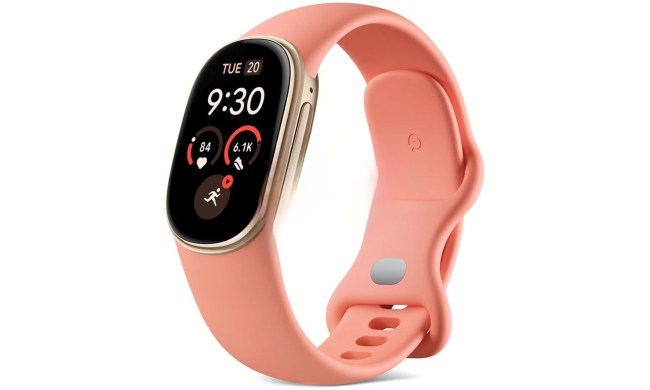
Turns out the Apple Watch is good for more than just telling the time, tracking steps, and dictating text messages. It can detect heart disease, too.
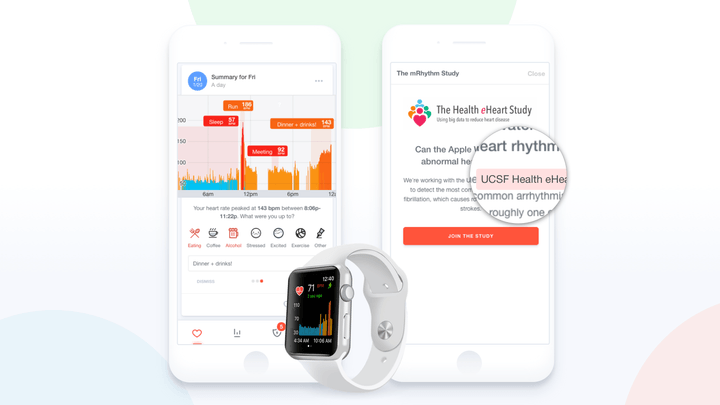
That is according to a study presented at Heart Rhythm 2017, the Heart Society’s 38th Annual Scientific Sessions, on Thursday. Researchers at the University of California, San Francisco Division of Cardiology paired an artificial intelligence with the Apple Watch’s photoplethysmographic (PPG) sensors — the LEDs that record heart rate — to build an algorithm that could detect conditions like arrhythmia and atrial fibrillation (AF).
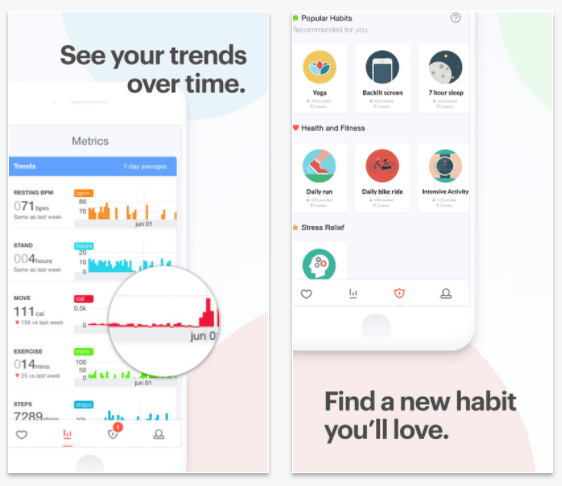
Atrial fibrillation, which affects more than 2.7 million American adults, was the study’s principle focus. Researchers recruited more than 6,000 users of the Cardiogram app for Apple Watch and collected more than 139 million heart rate measurements and 6,338 mobile electrocardiograms — records of the heart’s electrical activity — over the course of several months. The data was used to train a deep neural network, a human-like form of AI, to distinguish between atrial fibrillation and a normal, healthy heart rhythm.
The study’s authors validated the neural network against a subgroup of 51 patients set to undergo cardioversion, a medical procedure that restores the heart to a normal rhythm. Each wore an Apple Watch with the Cardiogram app for 20 minutes before the procedure and 20 minutes after and found that the AI correctly detected atrial fibrillation 97 percent of the time. That is higher than any previous algorithm.
“Our results show that common wearable trackers like smartwatches present a novel opportunity to monitor, capture and prompt medical therapy for atrial fibrillation without any active effort from patients,” Dr. Gregory Marcus, Director of Clinical Research at UCSF’s Division of Cardiology, said in a statement.
The researchers point out that smartwatches like the Apple Watch present a novel opportunity to diagnose hard-to-detect illnesses. They cite a recent survey indicating that as many as one in five Americans owns a wearable fitness tracker. “With the growing number of people using this mobile technology, there is an opportunity to address public health issues such as undiagnosed AF in a way that is convenient for many,” the study said.
Already, the authors are exploring the potential for broader wearable self-diagnosis and testing the AI to identify other health conditions.
They are not the only ones. AliveCor, a smartwatch accessory maker, produces Apple Watch cases with built-in ECG monitors that can detect heart palpitations. And a study by scientists at Stanford University found that wearables like the Apple Watch can spot the onset of a potential cold or disease.
Apple is experimenting, too. In September, Bloomberg reported the company was working on new HealthKit apps with rudimentary sleep and heart rate analysis. It is also planning to make the medical data the Apple Watch collects usable for diagnoses — potentially via Gliimpse, a technology it acquired this year that collates medical databases in a single location.
“While mobile technology screening won’t replace more conventional monitoring methods, it has the potential to successfully screen those at an increased risk and lower the number of undiagnosed cases of AF,” Marcus said.