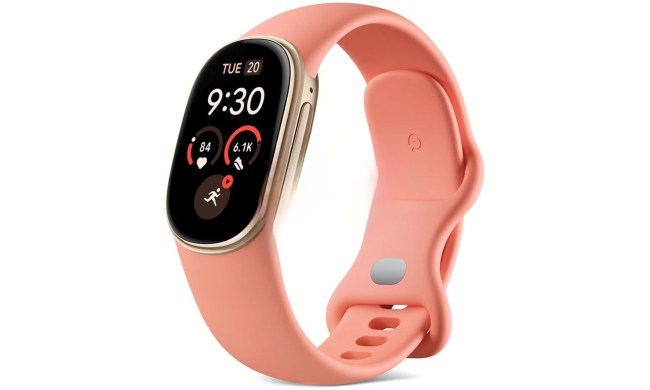
There’s an obvious contradiction at the heart of the Huawei Watch D3. It is thinner, lighter, and more comfortable than its predecessor, yet Huawei has somehow packed even more serious health-monitoring technology into it. Its predecessors, starting with the Watch D, were the first in the industry to measure real blood pressure with a unique micropump system.
The idea is still novel in the industry. Rivals, on the other hand, have shifted to a light-based blood pressure monitoring approach that merely serves as an estimation-based warning system, instead of telling you the real systolic and diastolic values. And with plenty of the usual cautionary messages, of course, and the added hassle of calibration with a real medical-grade cuff. So, when Huawei said the Watch D3 has slimmed down its waistline while getting a sensing upgrade, I was intrigued.
In the world of wearables, that’s usually the other way around. Naturally, that was the first mystery I wanted to untangle when I sat down with Mr. Zhang Wei, President of Huawei’s Smart Wearable and Sports Health Product Line, following the Watch D3’s launch. If blood pressure measurement depends on a mechanical airbag, a micro-pump, and precise pressure readings around the wrist, surely making everything smaller has to involve some painful engineering compromises.
The trick is making the airbag smaller, without really making it smaller
According to Zhang, the answer is yes — but perhaps not the ones you might expect. “The Watch D series has always pursued a very good balance between experience and accuracy,” Zhang told me through a translator.
“We hope that without sacrificing measurement accuracy, we can improve the user experience and wearing comfort.”
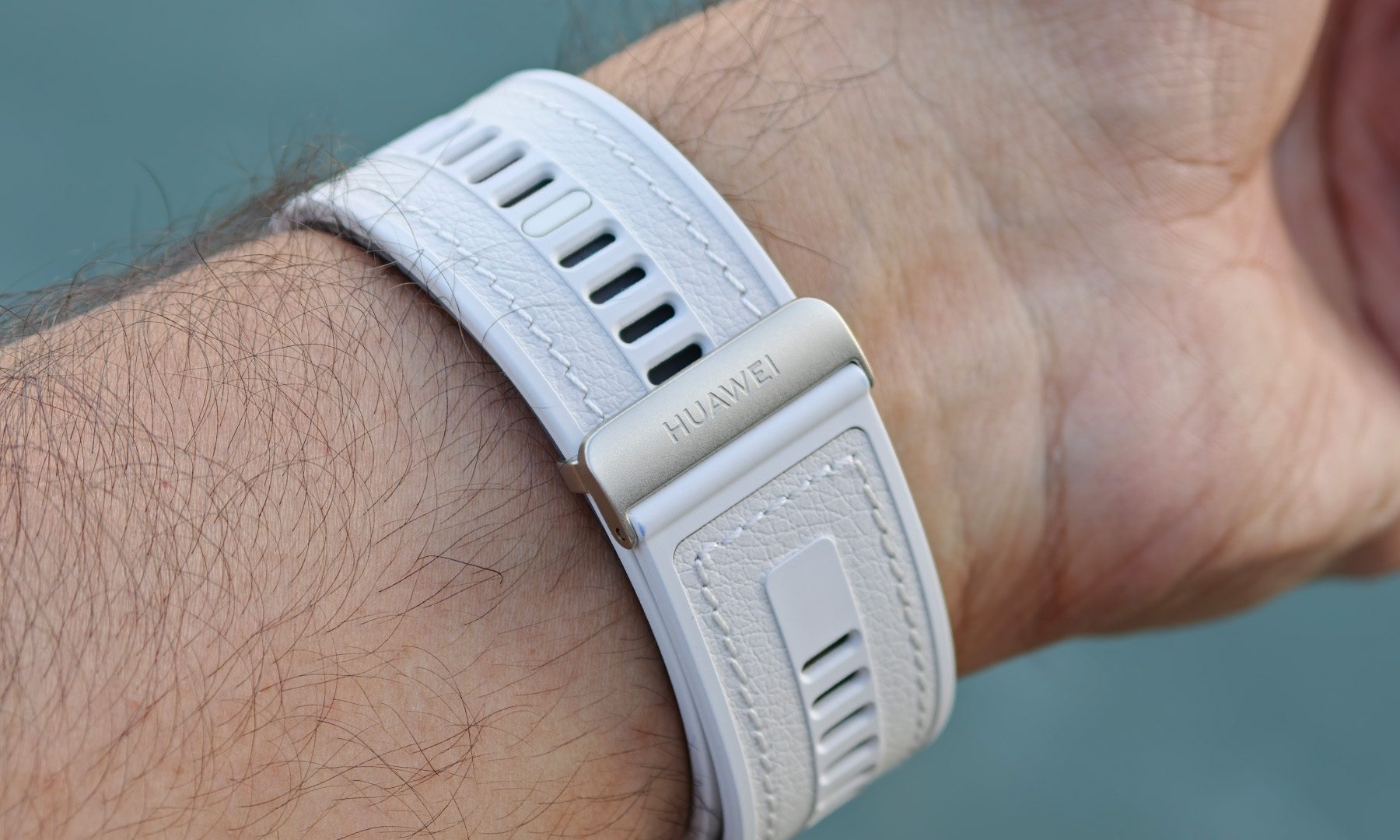
That philosophy is apparent in the D3’s redesigned airbag. Huawei has narrowed the strap and airbag assembly, but changed the internal structure so that the effective volume of the airbag remains intact. In other words, the bit that needs to do the actual blood-pressure measurement hasn’t simply been squeezed down for the sake of making the watch prettier. Zhang explained that the new airbag uses a double-sided structural design that allows the external dimensions to shrink while maintaining the internal space required for measurement.
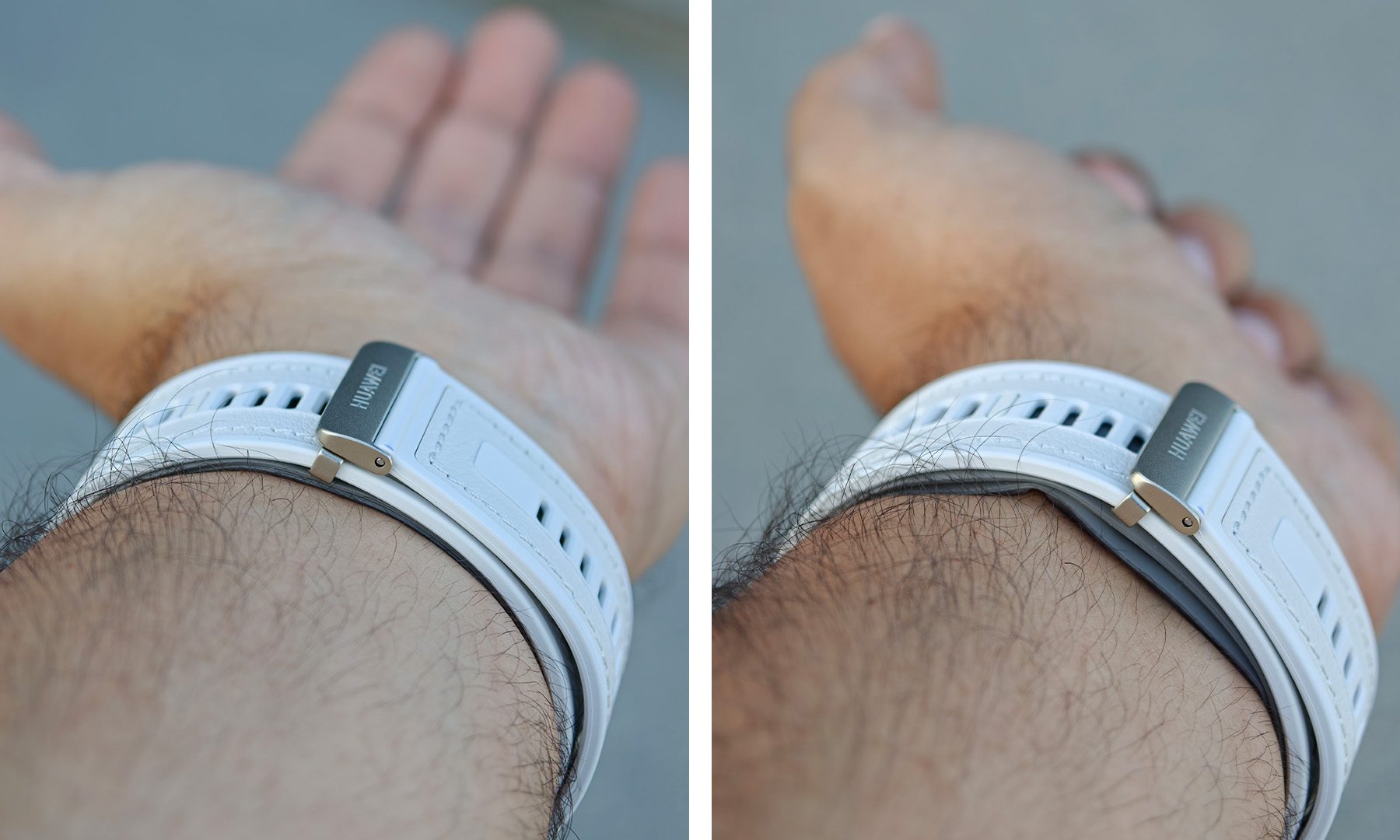
Huawei has also miniaturised the display, charging coil, battery, and other internal components, while reworking the hardware stacking. The result is a claimed 2-millimeter reduction in thickness compared with the previous generation. Moreover, the overall device volume has been reduced by 13.8%. That involved everything from an ultra-thin display and higher-density battery to a smaller charging coil, rotating-crown sensor and tighter PCB stacking.
And there was, Zhang acknowledged, a genuine trade-off. You see, Huawei couldn’t simply miniaturise every component indefinitely. Accuracy, reliability and cost all had to remain part of the equation. That makes the D3’s design story less about making a health watch as small as possible and more about deciding what to shrink and what must be left untouched.
Then comes the really difficult bit: measuring blood pressure after exercise
The more revealing part of our conversation came when we moved beyond the hardware. The Watch D3 is positioned as the world’s first wrist-worn watch to deliver ISO-compliant pre- and post-exercise blood-pressure measurement. That sounds straightforward until you consider what the wrist looks like immediately after a hard workout: your heart rate is elevated, blood vessels are changing, your arm is moving, and the resulting signal is anything but clean.
“Under high heart rates, the entire waveform of the pulse wave undergoes many changes.”
Huawei’s engineers therefore had to solve two problems. First, they needed to collect usable pulse-wave signals in a situation full of noise and motion artifacts. Then they had to teach the algorithm what those signals actually meant. Zhang described the relationship between pulse-wave changes and blood pressure as nonlinear.
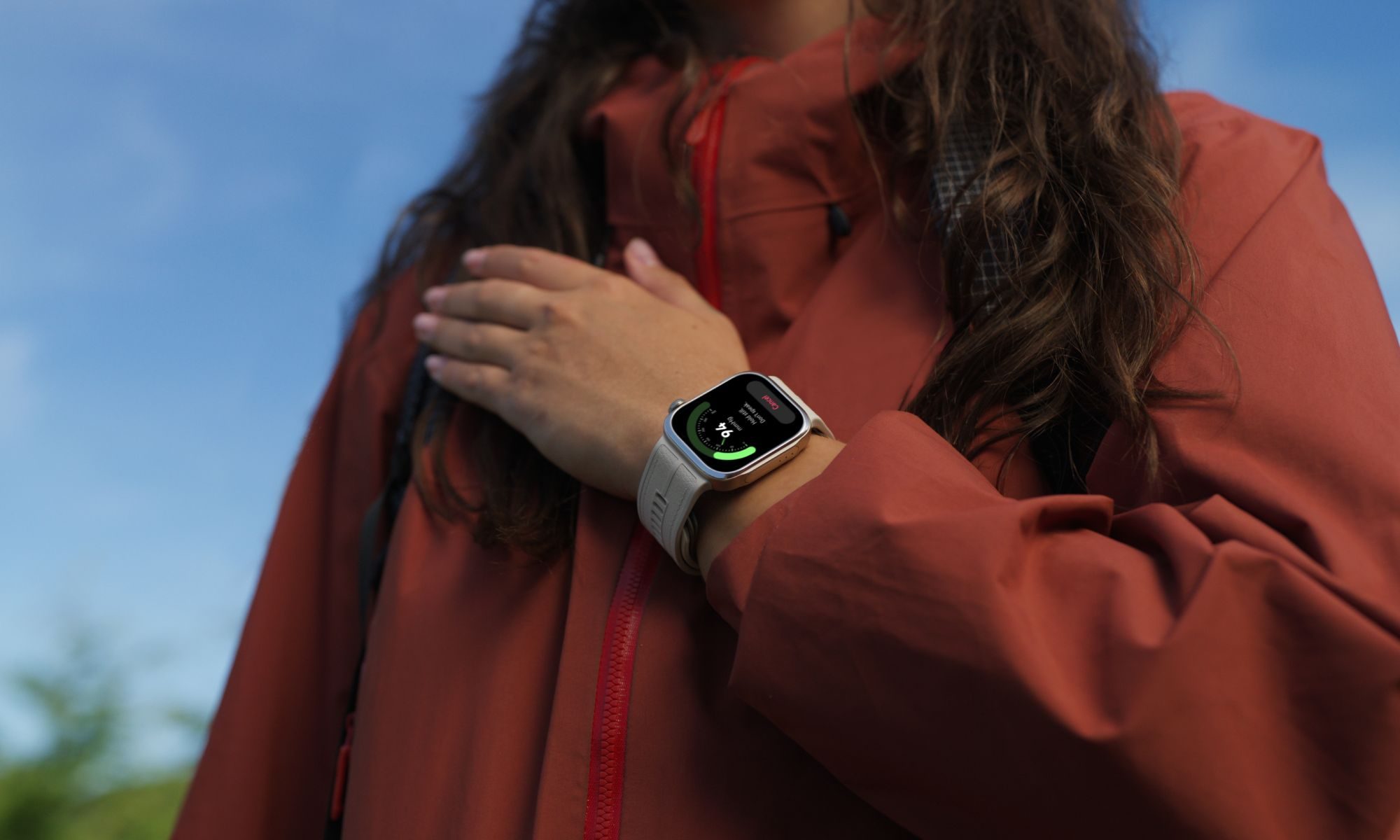
Huawei says it collected and analysed large amounts of data from high-heart-rate exercise scenarios, extracted useful signal characteristics, removed interference, and then used those features to train and refine its algorithms. The practical value is easy to understand. Instead of treating exercise purely as something the watch tracks through calories, heart rate, and workout duration, the D3 can look at what happens to blood pressure before and after exercise.
Huawei says abnormal responses, including excessive rises or unexpected drops in blood pressure, can potentially provide another window into cardiovascular risk.
That doesn’t turn the watch into a cardiologist, of course. But it does make the health data considerably more interesting.
From one blood-pressure reading to an entire 24-hour picture
Perhaps the most interesting feature Huawei didn’t want lost in the noise is the D3’s approach to ambulatory blood-pressure monitoring, or ABPM. The standard mode is designed around frequent measurements throughout the day and night, with Huawei saying the D3’s ABPM approach follows European guidance, including 15- to 30-minute measurement intervals and automatic measurements during sleep. The resulting report is also designed around ESH ambulatory blood-pressure monitoring guidelines.
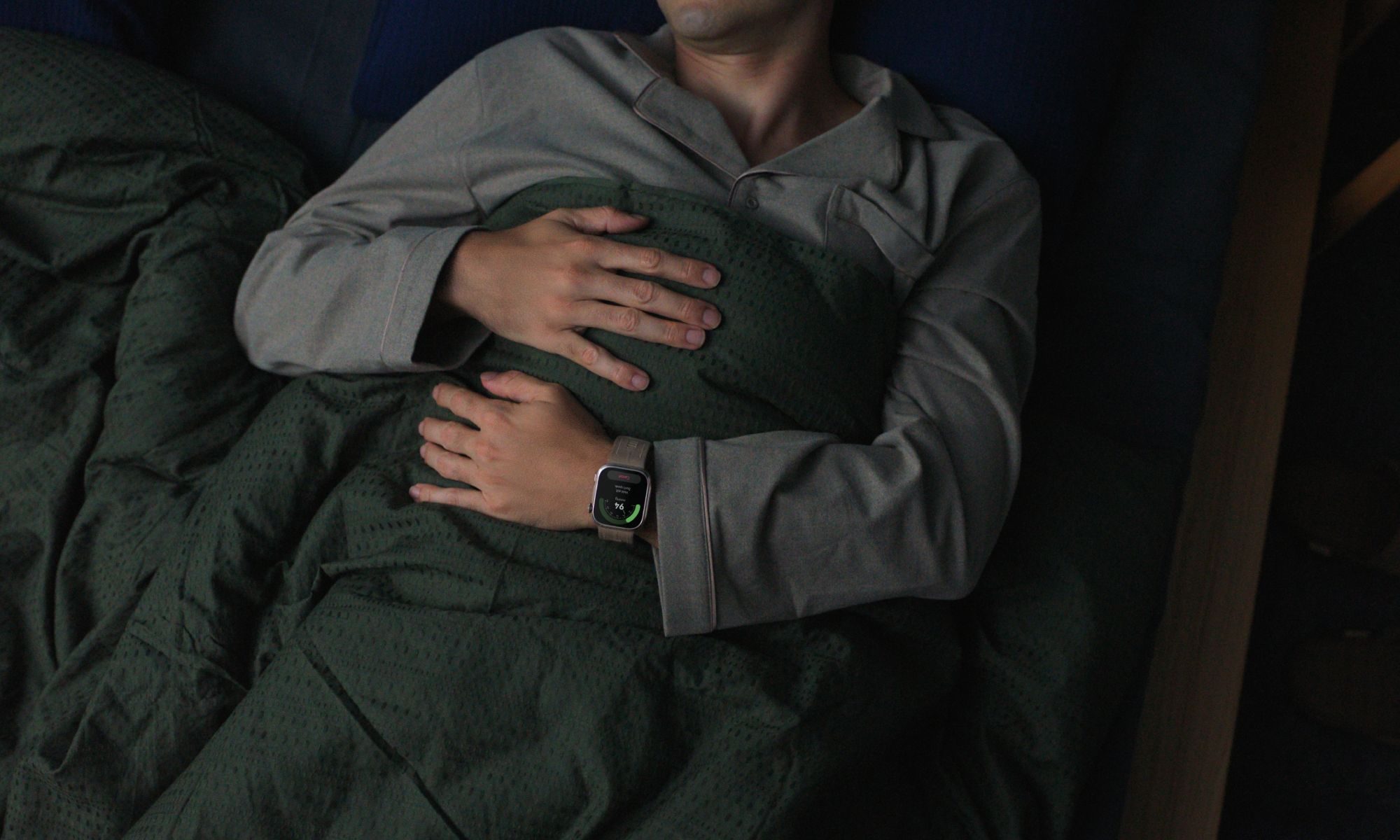
But Huawei is also introducing a research feature called the Minimally-Disruptive ABPM Study. Instead of repeatedly inflating the airbag throughout the day, it combines a smaller number of oscillometric measurements with continuous PPG-based background monitoring. The study limits active inflations to four during the day and three at night.
“In the Watch D series, we have always pursued a very good balance between experience and accuracy.”
Huawei’s goal is to make accurate health monitoring more practical, without turning the watch into a substitute for medical care. The Minimally-Disruptive ABPM Study is research-only, not diagnostic, and currently unavailable in Europe; abnormal readings should be validated with standard ABPM and discussed with a doctor. Zhang summed up Huawei’s broader approach rather neatly:
“The process is extremely complicated, but this process is very necessary and worthwhile for developing the product’s accuracy.”
That comment was made in the context of the enormous amount of data analysis, signal processing and algorithm development required for accurate blood-pressure measurement, but it also captures what Huawei appears to be trying to achieve with the D3: make sophisticated health monitoring more practical without pretending that a smartwatch replaces the healthcare system.
Huawei wants the watch in the clinic — but not pretending to be the clinic
That became particularly relevant when I asked Zhang about the European cardiologists attending ESC and whether Huawei sees a future where wearable data becomes part of everyday clinical workflows. Huawei’s answer isn’t simply “put a smartwatch on every patient.” The company is looking to make wearable data available to qualified healthcare professionals, with user consent and privacy safeguards, while its collaboration with Germany’s Hope Care already shows one way this could work in practice.
“Because it has passed various national and international certifications, its measurement accuracy has reached the standards of medical equipment for blood pressure measurement, so it can be applied to daily blood pressure monitoring.”
Huawei says its work with Hope Care has already seen Watch D2 data, including blood pressure, heart rate, SpO2, and 30-second ECG readings, integrated into the company’s OpMA platform for emergency-department waiting-room management. For the D3, meanwhile, Huawei has worked with European hypertension experts to align its ABPM reporting with ESH guidelines, giving clinicians a familiar framework for interpreting the data.

And perhaps that’s the most interesting thing about the Watch D3. Huawei isn’t simply trying to make a smartwatch that happens to measure blood pressure; it’s trying to make that data more comfortable to collect, easier to understand, and more useful when taken into the wider healthcare conversation. As Zhang told me, the goal has always been to find that balance between technology and real-world usability — because the smartest health feature is ultimately the one people will actually keep using.