  1. Home
  2. Wearables
  3. News

Google & Magic Leap walk into a bar with AR glasses and here’s what they’re brewing

Google’s Android XR platform gains boost through alliance with Magic Leap for AR eyewear

Add as a preferred source on Google
Magic Leap AR glasses
Magic Leap

What Happened: Alright, so remember Magic Leap, the company with those super futuristic (and super-hyped) augmented reality headsets? Well, they just announced a massive change of plans. At a big event in Riyadh, they basically said they’re getting out of the business of trying to build and sell their own standalone hardware.

  • Instead, they’re going to be a “strategic partner” – meaning, they’re going to provide their high-tech magic to other companies. And their first big new partner? Google.
  • Yep, Magic Leap and Google are teaming up again, which is a pretty huge comeback. The plan is to combine Magic Leap’s expertise (they’re apparently amazing at the optics and lens tech) with Google’s own cutting-edge screen technology (a new microLED thing called Raxium). The goal is to finally create AR glasses that are clear, comfortable, and can actually be mass-produced.
  • They even showed off a prototype of these smart glasses, giving everyone a first look at what Google’s “Android XR” ecosystem might feel like.
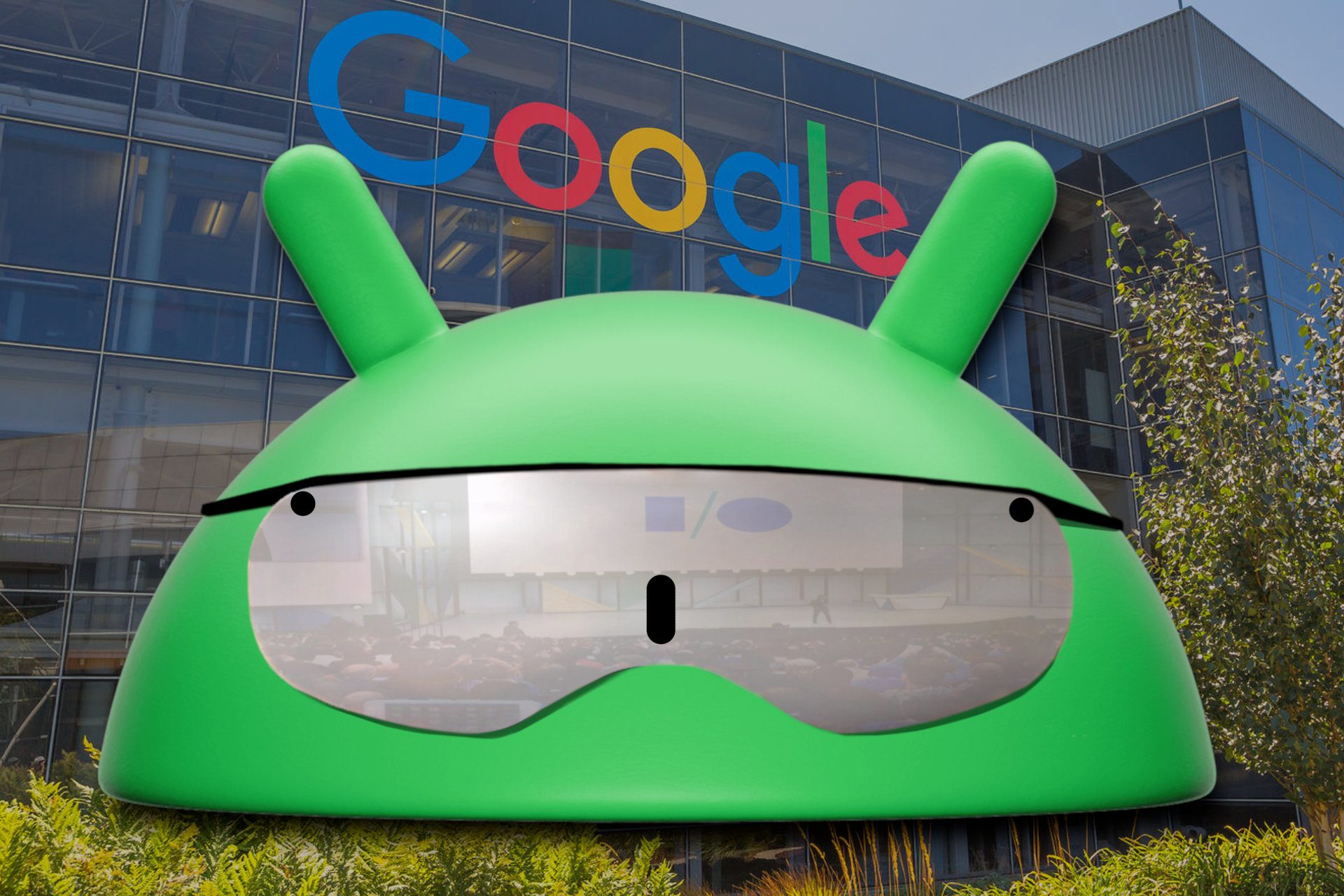
Why This Is Important: This is a pretty big shake-up for the AR world. For starters, it signals that Google is serious about getting back into smart glasses, years after the original Google Glass fizzled out.

  • It’s also a new lease on life for Magic Leap. After struggling for years to get regular folks to buy their expensive headsets, they’ve found a new, smarter way to play: stop trying to beat everyone, and start powering everyone.
  • This team-up could be the thing that finally cracks the code on AR glasses. They’re tackling the biggest problems that have held the tech back, like making them look good, not making you dizzy, and not having the battery die in 30 minutes.
  • It’s a clear shot across the bow at Meta, Apple, and Snap, who are all racing to build the same thing.
Recommended Videos

Why Should I Care: So, what does this actually mean for you and me? This might be our first real chance to get AR glasses that look and feel like, well… glasses. Not a giant, bulky headset.

  • We’re talking about something lightweight you could wear all day, seamlessly mixing your digital world (like maps, notifications, or messages) with the real world in front of you, without your face overheating.
  • For anyone who builds apps or just loves tech, this is also a huge deal. It means “Android XR” could become a new, open platform for AR, just like Android was for phones.
What’s Next: This isn’t just a one-off experiment; they’ve signed a three-year deal to keep this partnership going.

  • Magic Leap’s CEO said their whole mission has changed – they’re focused on making AR practical and accessible for everyone, not just a niche toy.
  • We’ll probably hear a lot more about their plans and see a real roadmap for these new Android-powered glasses sometime in 2026. Get ready, because it looks like Google is about to jump back into the AR game in a big way.
Moinak Pal
Moinak Pal is has been working in the technology sector covering both consumer centric tech and automotive technology for the…
The camera on my smart glasses gives me the ick. The people around me feel the same.
Hey, stranger, you won't know it, but I just captured you in a picture and recorded you in a video!
Person wearing glasses with a camera

"Dude, I feel like a creep every time I press the camera button and the LED lights up." That was the blunt verdict from a friend who tried my camera-equipped smart glasses earlier today. My own feelings aren't too different. There's also a functional friction here, which I'll rant about soon enough.

I've used plenty of smart glasses. For the past four years or so, even before Meta flooded the market with its Ray-Ban-branded camera glasses, I've been playing around with another breed that lacked a camera but still offered plenty of fun. Brands like Rokid, XREAL, and Viture have been selling smart glasses with a built-in display unit, promising a private screen that sits right on your face. Immersive entertainment, or spatial computing on the go, all of it without a monitor in sight.

Read more
Nothing might be taking on Meta with its own smart glasses
Viture Pro 2 smart glasses

Nothing has already made a name for itself with smartphones, earbuds, and other accessories that look a little different from everything else on the market. Now, the company may be preparing to add another product category to its lineup: smart glasses.

According to Roland Quandt, who shared the details on Bluesky, Nothing is working on two different types of smart glasses. One will reportedly focus on audio, letting you listen to music and take calls, while the other could offer a built-in camera, ChatGPT integration, and translation features. While Nothing hasn't officially confirmed either product, the leak gives us an early idea of what the company might be planning.

Read more
Samsung Health now needs just 3 days of sleep data to coach you toward better sleep
Samsung is making its Sleep Coaching feature easier to access while adding more personalized advice and clearer sleep reports.
Samsung health sleep tracking

Samsung is making it much easier to get started with Sleep Coaching in the Samsung Health app. With its latest update, you only need three days of sleep data from the past two weeks to begin, down from seven days in a month.

I think that’s a welcome change. Sleep Tracking only tells you how you slept, while Sleep Coaching tries to help you build better sleep habits. Lowering the requirement means you reach the more useful feature much sooner.

Read more