  1. Home
  2. Wearables
  3. News

How much sleep do you actually need? A new study has the answer

Nearly 100,000 people and almost nine years of health records reveal some striking patterns around sleep.

Add as a preferred source on Google
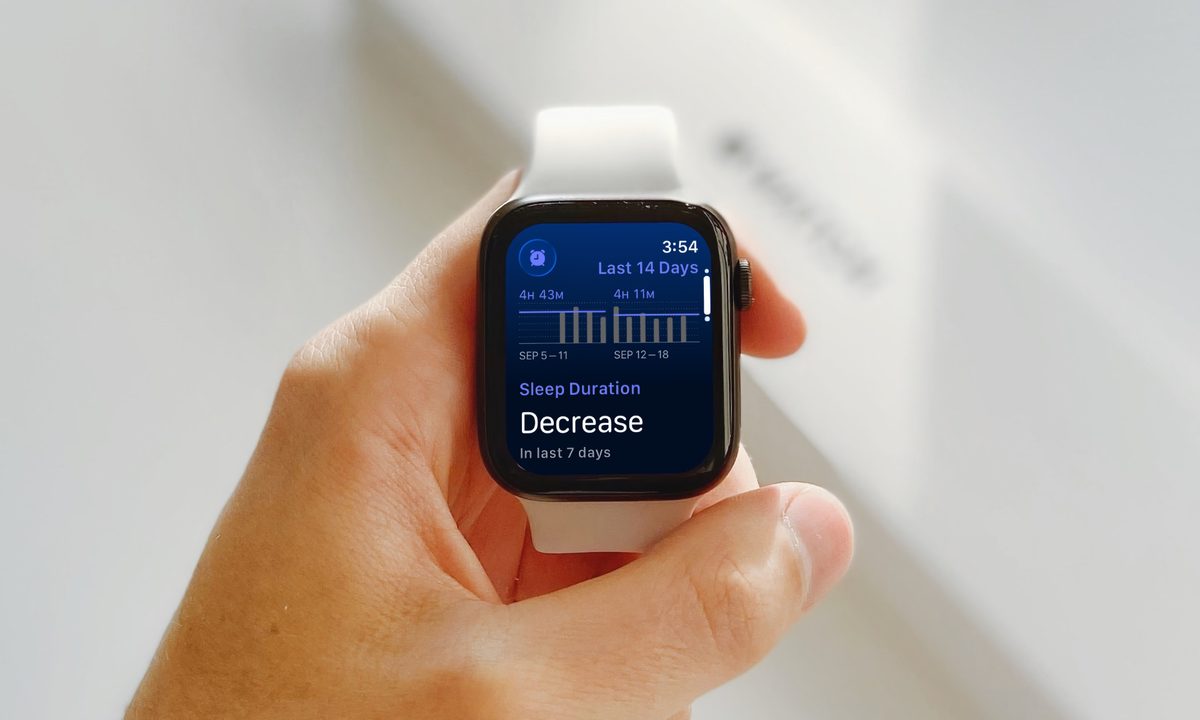
Sleep tracking on Apple Watch
Rachit Agarwal / Digital Trends

We all know sleep matters, but a new study published September 17th in PLOS Medicine, first covered by EurekAlert, puts an actual number on just how much, and the results are eye-opening. 

Researchers led by Shengzhi Sun of Capital Medical University tracked 95,559 people from the UK Biobank, who wore wrist accelerometers for a full week. From that data, a deep-learning algorithm broke down each person’s sleep into stages, tracked how long they slept, how much they tossed and turned after waking up mid-sleep, and how much their schedule shifted from one night to the next. 

Recommended Videos

The team then followed everyone for close to 9 years and checked their health records against more than 1,000 diseases.

What happens if you get more REM sleep?

Turns out, REM sleep is doing a lot of heavy lifting for your health. People who got more REM sleep had a lower risk of 83 different diseases, including a 26% lower risk of heart failure, a 46% lower risk of dementia, and an 80% lower risk of Parkinson’s disease. Deep sleep helped too, though with a shorter list of 7 conditions, including type 2 diabetes and major depressive disorder.

On the flip side, an irregular sleep schedule and more time spent lying awake after falling asleep were both linked to a higher risk of conditions like anxiety and substance use disorders.

Why does the 6 to 8 hour window matter so much?

The study found that more sleep isn’t always better. Instead, the sweet spot sits between 6 and 8 hours a night, and that’s where researchers found the lowest disease risk for most of the 86 conditions they studied. Sleep less than 5 hours, though, and your risk climbs fast, with the study linking short sleep to a higher risk of 37 different conditions.
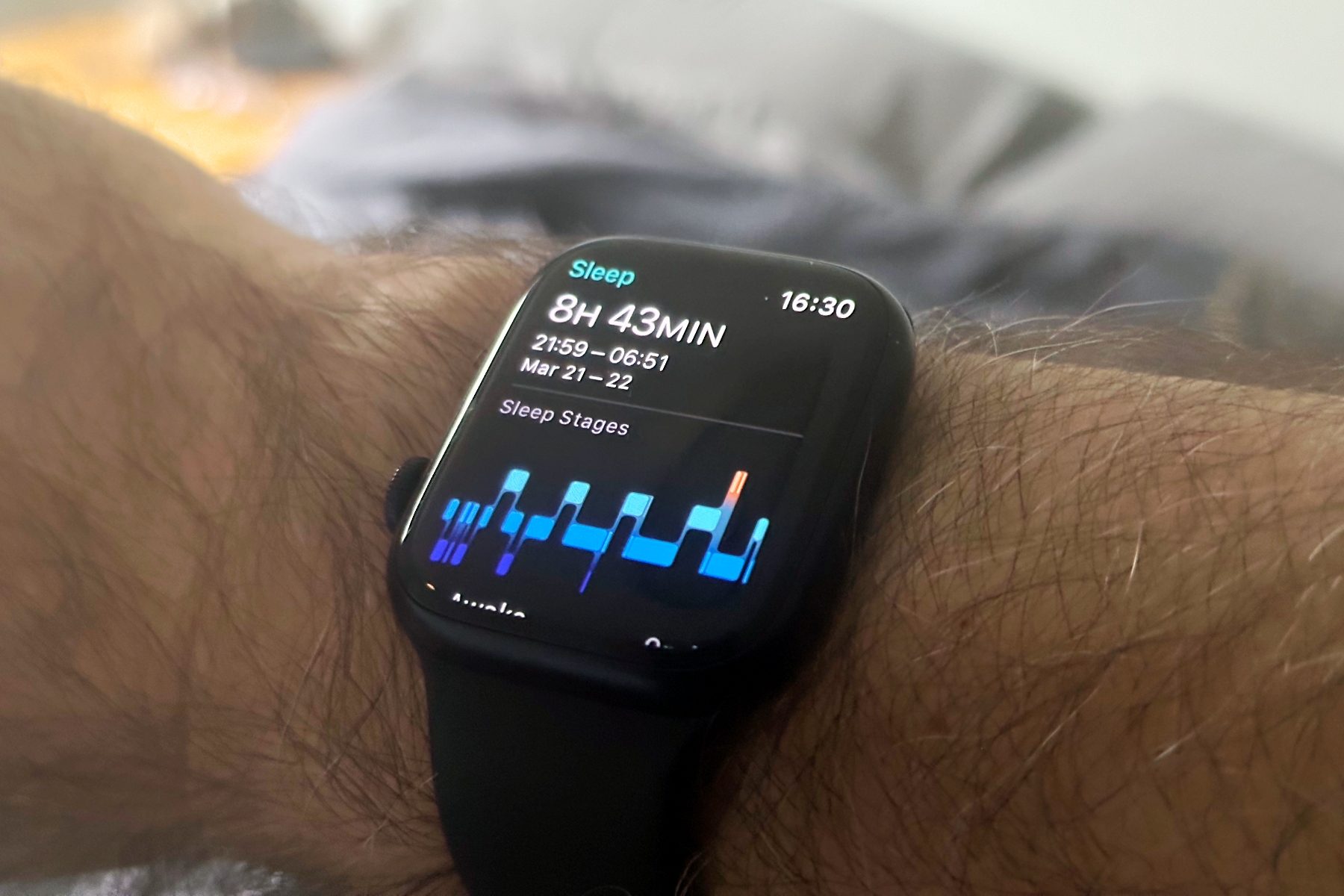
As Sun and his team put it, “Maintaining a sleep duration of 6-8 hours can effectively reduce the risk of multiple diseases, providing new insights for health promotion and preventive practice.”

The researchers note this is an observational study, so it can’t prove bad sleep directly causes disease. But the pattern is hard to ignore. If you’ve been skimping on sleep to squeeze more into your day, this might be the nudge you need to rethink that trade-off.

Rachit Agarwal
Rachit is a seasoned tech journalist with over ten years of experience covering the consumer technology landscape.
Nothing might be taking on Meta with its own smart glasses
Viture Pro 2 smart glasses

Nothing has already made a name for itself with smartphones, earbuds, and other accessories that look a little different from everything else on the market. Now, the company may be preparing to add another product category to its lineup: smart glasses.

According to Roland Quandt, who shared the details on Bluesky, Nothing is working on two different types of smart glasses. One will reportedly focus on audio, letting you listen to music and take calls, while the other could offer a built-in camera, ChatGPT integration, and translation features. While Nothing hasn't officially confirmed either product, the leak gives us an early idea of what the company might be planning.

Read more
Samsung Health now needs just 3 days of sleep data to coach you toward better sleep
Samsung is making its Sleep Coaching feature easier to access while adding more personalized advice and clearer sleep reports.
Samsung health sleep tracking

Samsung is making it much easier to get started with Sleep Coaching in the Samsung Health app. With its latest update, you only need three days of sleep data from the past two weeks to begin, down from seven days in a month.

I think that’s a welcome change. Sleep Tracking only tells you how you slept, while Sleep Coaching tries to help you build better sleep habits. Lowering the requirement means you reach the more useful feature much sooner.

Read more
Fitbit Edge gives me more features, but my money’s still on the Fitbit Air
Fitbit Edge vs Fitbit Air: Sometimes, less really is more
Google Fitbit Edge launched

I'll admit, Google's new Fitbit Edge looks on par with some of the great fitness bands coming out of China. It takes everything I appreciate about traditional Fitbit trackers and wraps it in a sleek design and better polish. You get a 1.34-inch Hybrid OLED display, built-in GPS, ECG support, and a physical button. Google has even made the battery replaceable, something I genuinely appreciate in an era when most wearables become disposable once their batteries deteriorate.

For $179.99, the Edge seems to be reasonably priced too. However, the more I think about what I'd actually want from a fitness tracker, the more I lean towards Google's $99.99 Fitbit Air. Believe it or not, the lack of a display is also the Air's biggest strength.

Read more