
Smart glasses are finally becoming more than a tech curiosity. Whether you’re looking for a portable giant screen for movies and gaming, an immersive display for work, or a pair of connected glasses that can handle calls and voice assistants, there are now several compelling options worth considering. Prime Day is also one of the few times each year when premium wearable tech sees meaningful discounts. After reviewing the latest releases and established favorites, these are the smart glasses I’d actually consider buying during Prime Day.
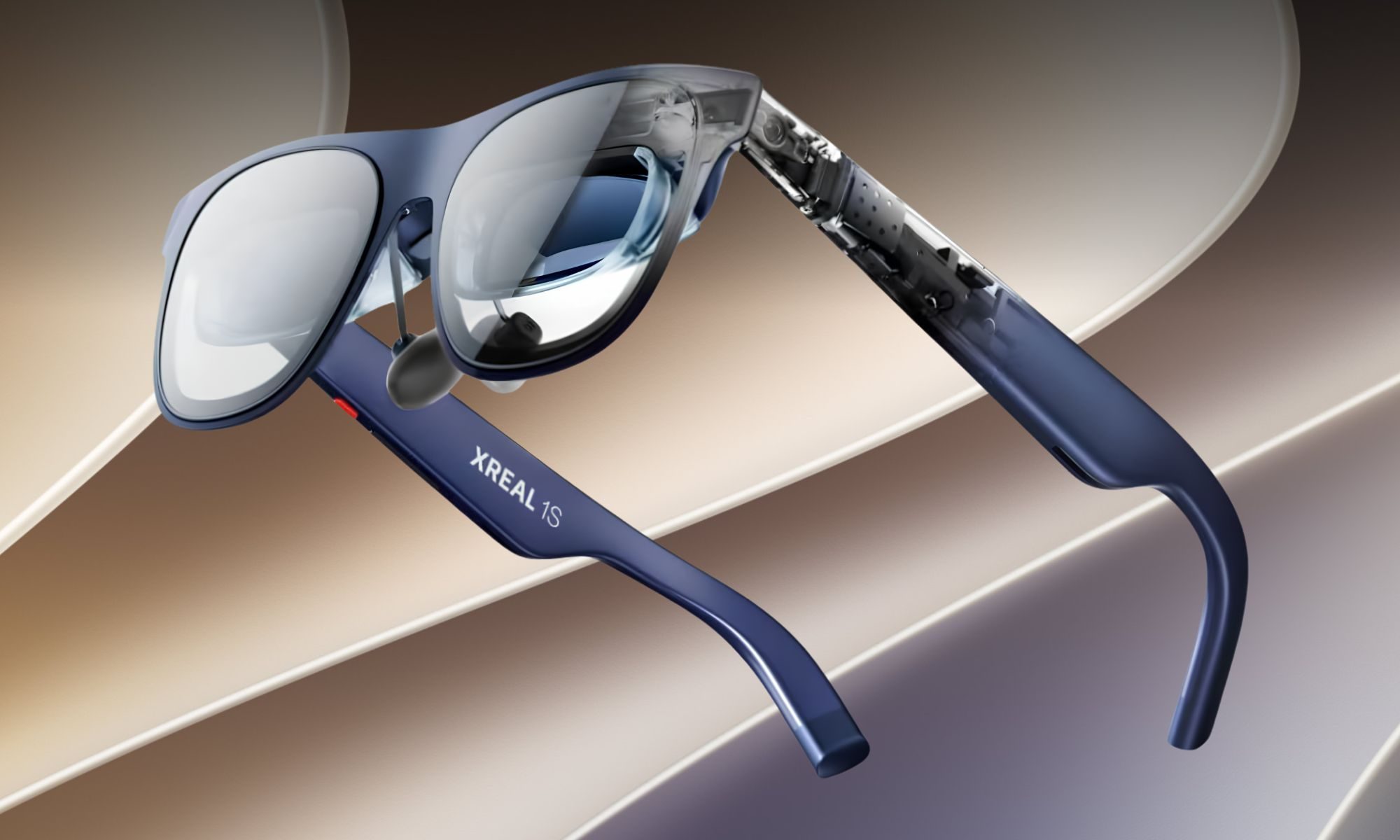
XREAL 1S AR/XR Glasses – The safest recommendation for most people
- Fantastic Micro-OLED display quality
- Immersive 120Hz refresh rate
- Highly competitive pricing
- Stellar 3D picture conversion
- Comfortable, ultra-sleek design
- Gets hot under pressure
- Noticeable center image blurriness
- Slightly sluggish boot times
- Occasional spatial tracking drift
- Noticeable chest-level lens glare
Price: $399, down from $529
If you’re looking for your first pair of XR glasses, the XREAL 1S is arguably the easiest product to recommend. It strikes a balance between display quality, comfort, and compatibility, making it suitable for everything from watching Netflix on a flight to gaming on a Steam Deck. The glasses project a large virtual display while remaining lightweight enough for extended viewing sessions. XREAL has also built one of the strongest ecosystems in the category, giving buyers confidence that the product will continue receiving support and accessories.
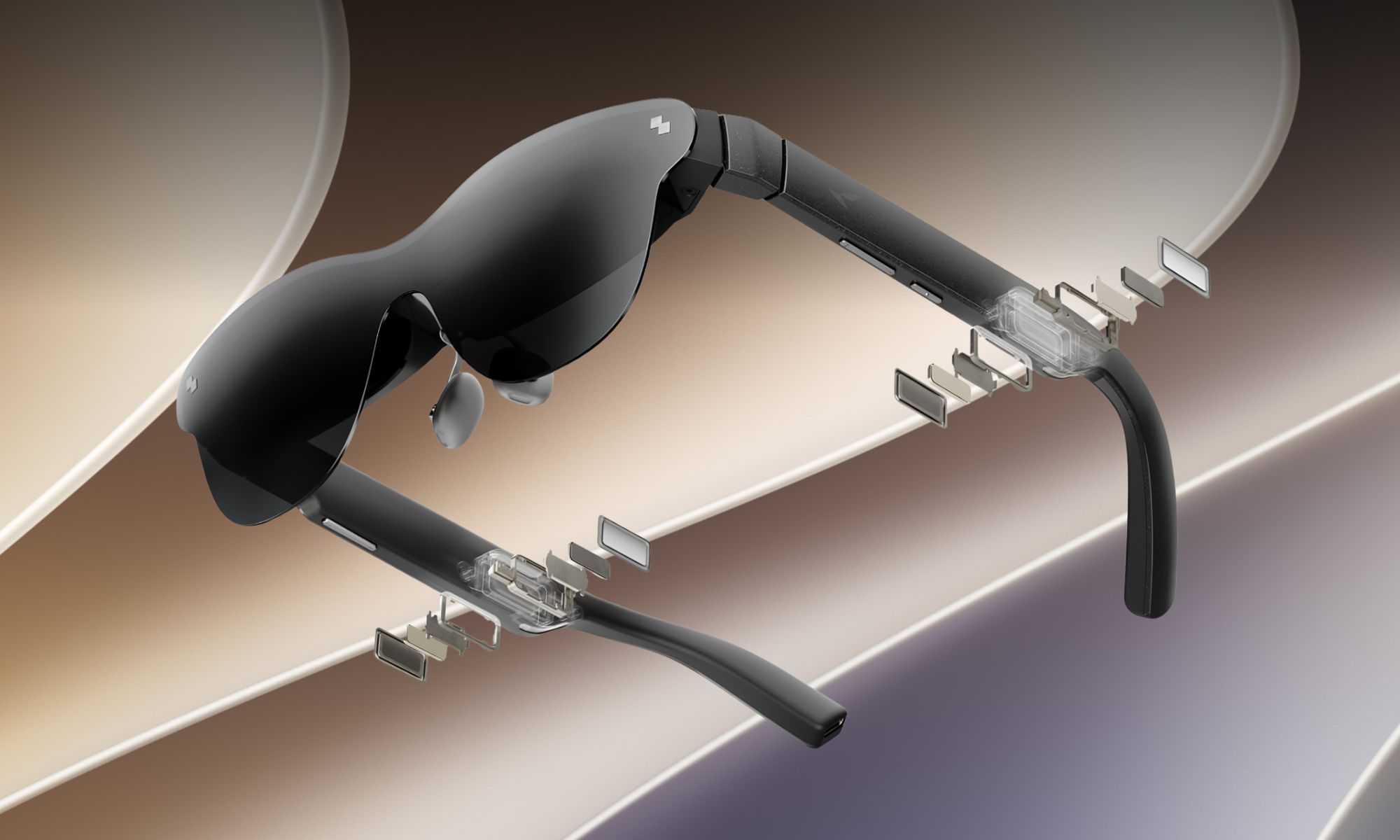
RayNeo Air 4 Pro – Offers one of the best displays in XR glasses.
- Stunning HDR10 visual quality
- Smooth 120Hz refresh rate
- Highly competitive value pricing
- Crisp Bang and Olufsen audio
- Lightweight plug-and-play design
- Noticeable blurriness around edges
- Lacks physical IPD adjustment
- Significant source device drain
Price: $239, down from $299
RayNeo has quietly become one of the most interesting players in wearable displays, and the Air 4 Pro showcases why. The glasses are designed for users who prioritize visual quality, offering a bright, immersive viewing experience that feels closer to carrying a private cinema than a traditional wearable. They’re particularly appealing for travelers and commuters who want a large virtual screen without carrying a tablet or laptop. Combined with broad support for Android, gaming handhelds, and laptops, the Air 4 Pro delivers a versatile experience that punches well above its weight.
VITURE Luma Pro XR Glasses – Built for enthusiasts who want more control
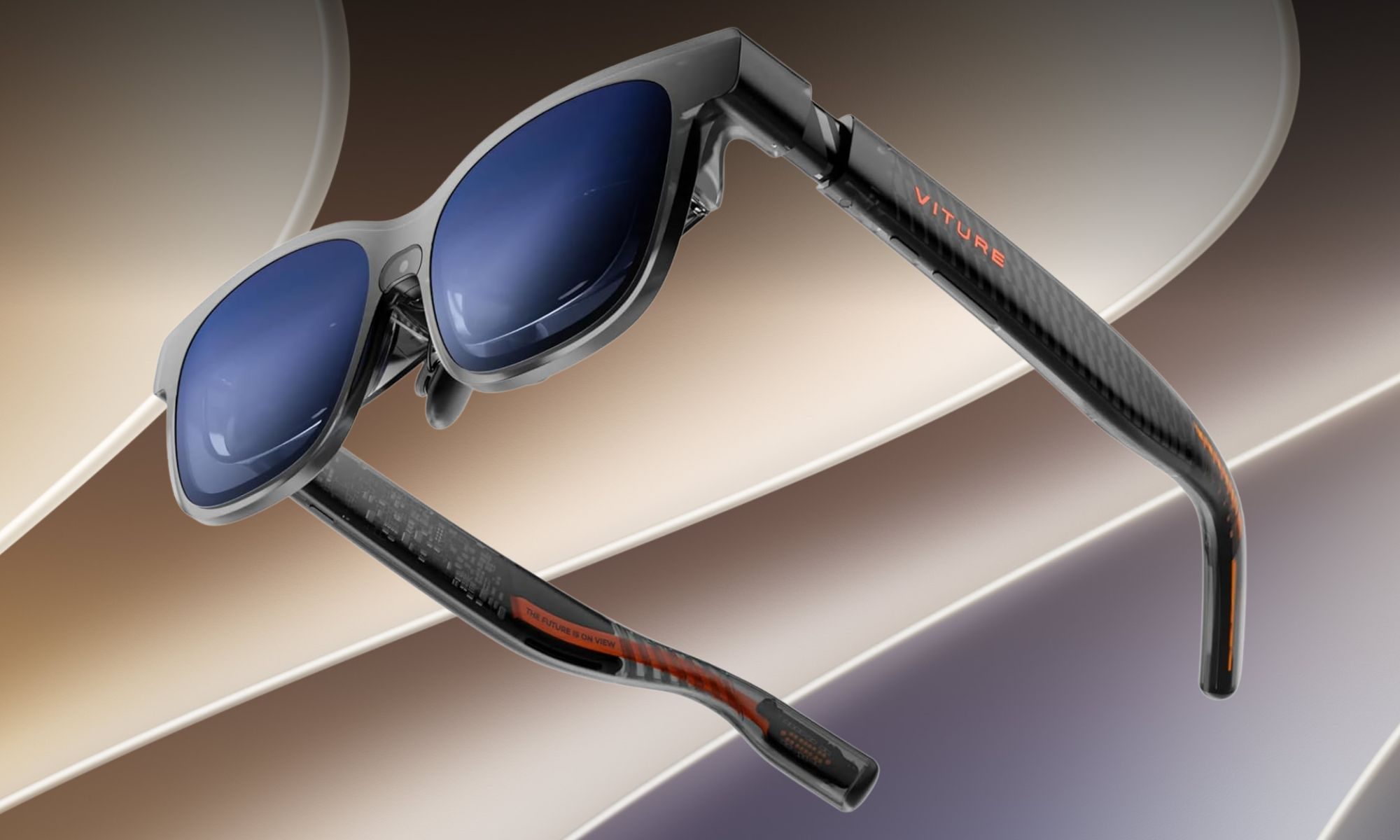
- Superb 1000-nit brightness
- Crisp 1200p screen resolution
- Excellent custom myopia diopters
- Vivid color-saturated display quality
- Seamless electrochromic lens dimming
- Noticeable edge blur issues
- Unreliable fit lottery alignment
- Buggy SpaceWalker companion software
- Underwhelming, tinny speaker output
- Inactive bridge camera functionality
Price: $379, down from $499
VITURE has earned a loyal following by focusing on premium features and user customization, and the Luma Pro XR Glasses continue that approach. These glasses offer display adjustments and tuning options that allow users to tailor the experience to their preferences. They’re especially attractive for gamers and power users who spend long hours with handheld consoles, smartphones, or laptops. The hardware feels polished, and the company continues to expand its ecosystem with accessories that improve the overall experience.
Carrera Smart Glasses with Alexa – If I wanted something practical
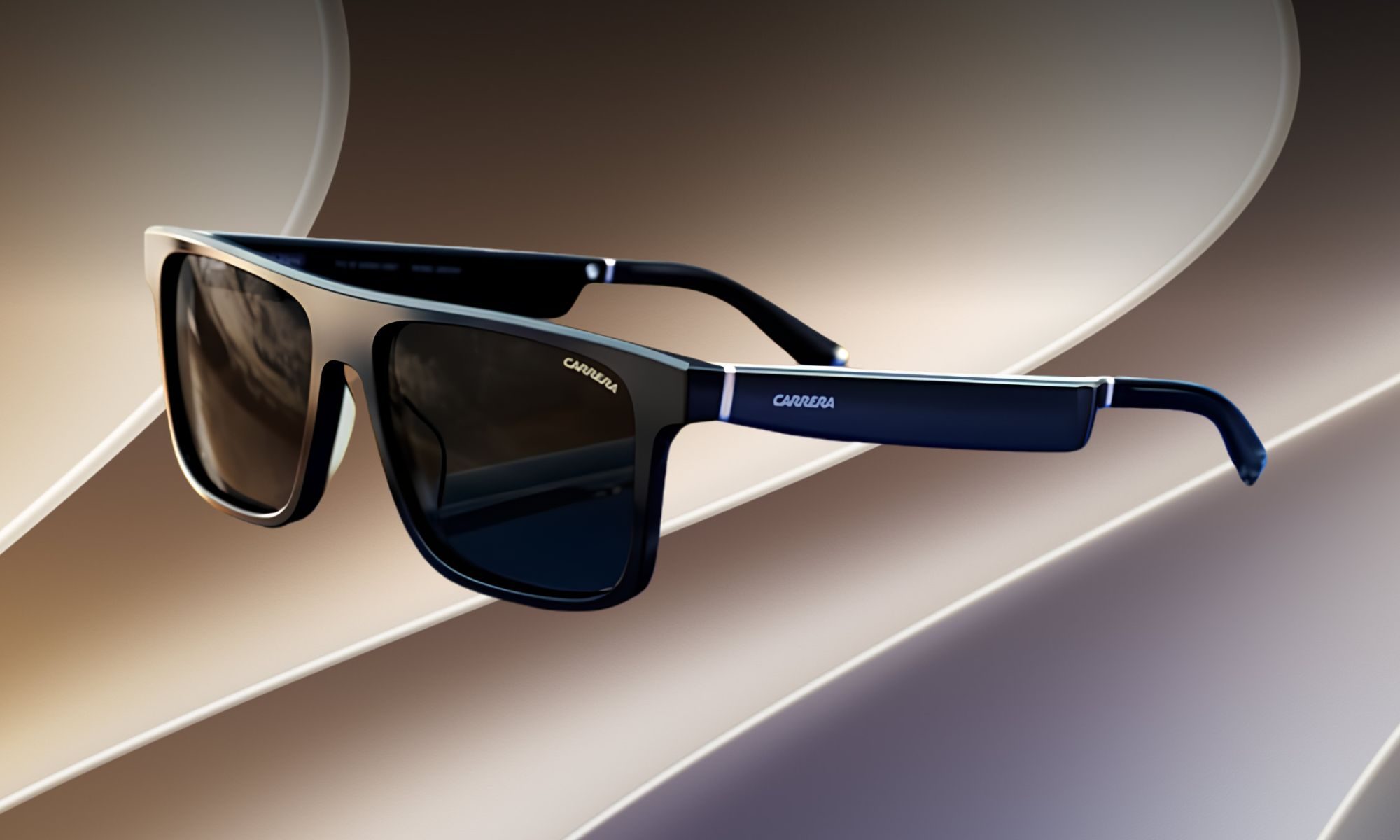
- Iconic, stylish Italian design
- Seamless, excellent Alexa integration
- Balanced, premium sturdy build
- Convenient smart notification filtering
- Clear, punchy passive audio
- Fickle, non-intuitive charging stand
- Noticeable environmental sound spillage
- Completely lacks built-in camera
- Oversized frame fit lottery
- Expensive premium tier pricing
Price: $99.99, down from $389.99
Not everyone wants a virtual display attached to their face. If your goal is hands-free convenience rather than immersive entertainment, the Carrera Smart Glasses with Alexa are worth considering. These glasses combine classic eyewear styling with built-in speakers, voice assistant support, and smart connectivity. They allow you to take calls, listen to music, access Alexa, and receive information without reaching for your phone. Unlike XR glasses, they blend naturally into everyday life, making them a more approachable option for users who prioritize convenience and wearability.
Prime Day often brings dozens of wearable tech deals, but not all of them are worth your attention. The XREAL 1S, RayNeo Air 4 Pro, VITURE Luma Pro, and Carrera Smart Glasses each target a different type of user while offering a more polished experience than many competing products. Whether you’re looking for a portable entertainment screen or simply want smarter eyewear, these are the models I’d keep on my shortlist before the sales end.