
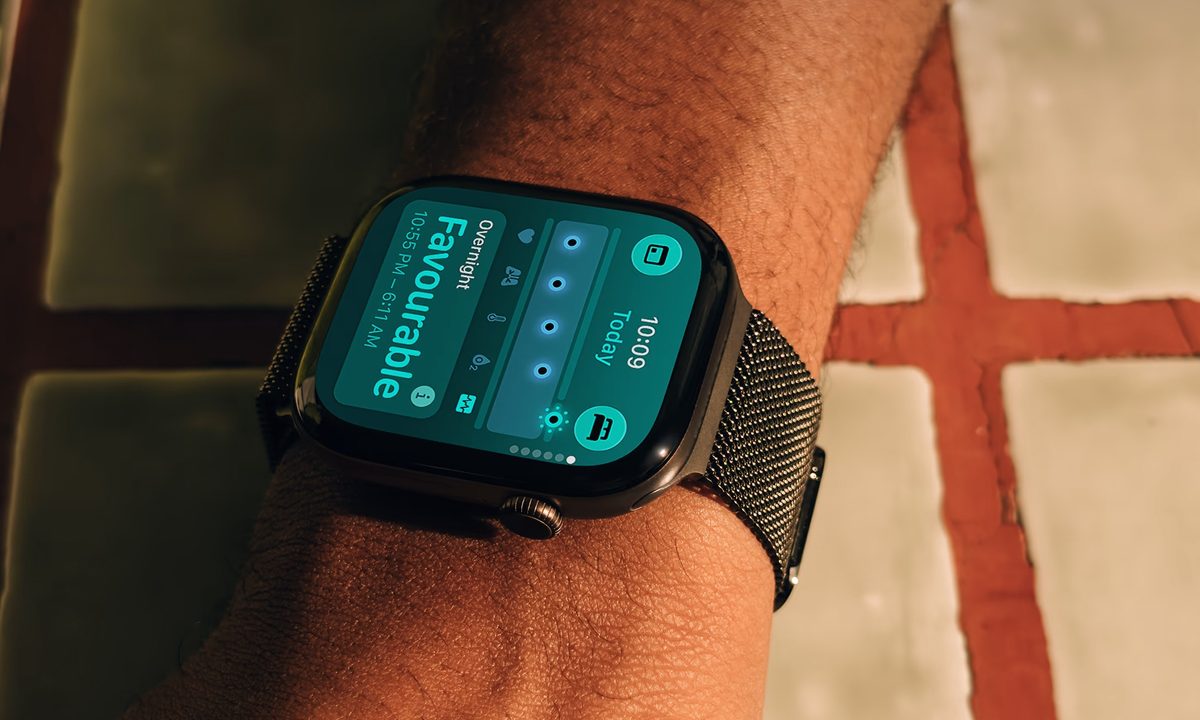
I’ve used the Apple Watch Series 8 for four years, and I never felt the itch to upgrade. Sure, newer models added faster chips and neat tricks like the double-tap gesture, but nothing felt big enough to convince me to spend the money and start over with a new watch. I was happy with what I had.
That changes with the Apple Watch Series 12. It brings a mix of hardware and software upgrades that make it one of the best Apple Watch releases in years, and the best part is that it still starts at $399. Here’s why I’m finally ready to move on from my Series 8.
My heart finally gets the attention it deserves
Apple rebuilt the Health Sensing System from the ground up, and it shows in the numbers. The Series 12 now checks your heart rate every five seconds, all day long, instead of only during workouts or random intervals.

HRV, which tells you how well your body is recovering from stress, now gets checked up to 24 times more often too. Apple is also calling this the most accurate heart rate sensor on any wearable, based on a study across more than 1,000 people.
I had a health scare a while back, so these numbers matter to me more than most people. Getting more frequent and more accurate heart data isn’t just a nice-to-have for me; it’s genuinely useful information I want on my wrist every day.
Readiness, minus the subscription tax
Wearables like Whoop and the Oura Ring have offered a similar readiness score for years, basically telling you how prepared your body is to take on the day. Apple never had anything like it, but the new sensors paired with the S11 chip finally make it possible.
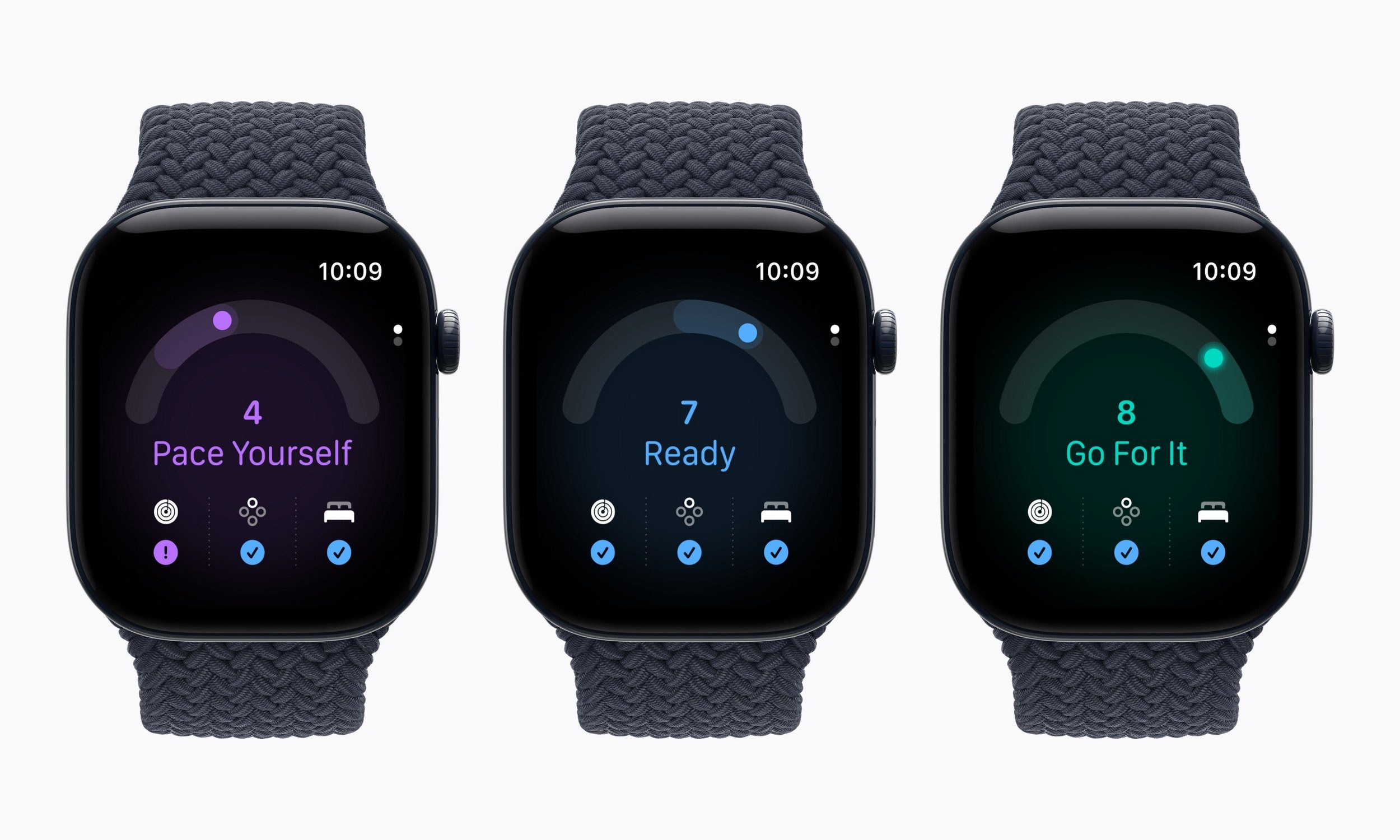
The Series 12 looks at your recent activity, training load, vitals, and sleep, then gives you a simple 0 to 10 score along with a recommendation: recover, pace yourself, ready, or go for it. I always liked this idea, but I never bought into Whoop or Oura because of their subscription fees. I try to avoid recurring payments wherever I can.
With the Apple Watch Series 12, I get this same feature without paying a monthly fee on top of the watch itself.
Ceramic Shield 2 is a small upgrade I really wanted
My biggest complaint with my aging Series 8 is how easily it scratches. It doesn’t get in the way of using the watch day to day, but it looks rough, and it definitely hurts the resale value.
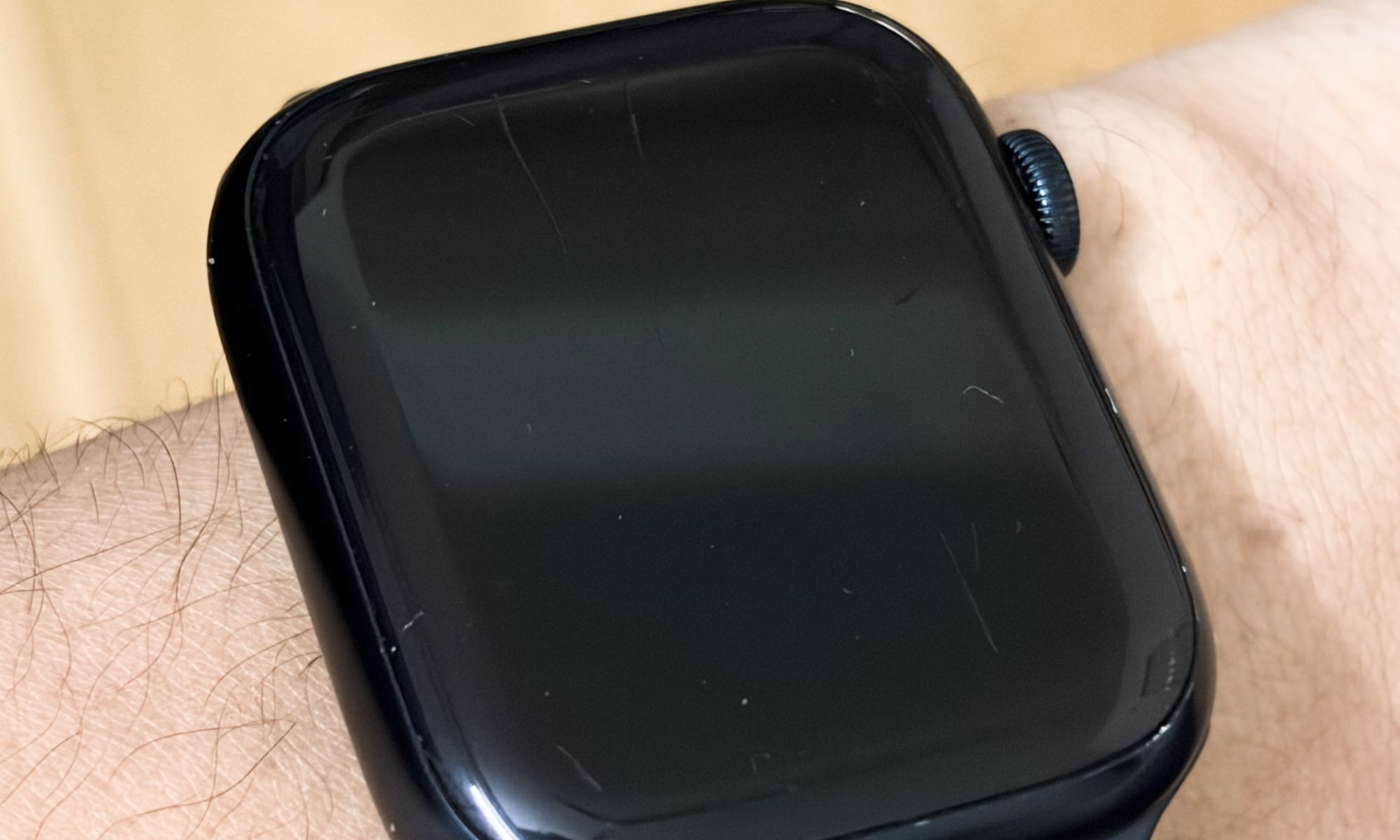
The Series 12 switches to Ceramic Shield 2 on its aluminum models, the same glass used on my iPhone Air. After using the iPhone Air for almost a year now, including a few accidental drops, I can say Ceramic Shield 2 isn’t just tougher, but it’s also incredibly scratch-resistant.

It’s a small thing in the grand scheme of specs, but it’s genuinely one of the reasons I want to upgrade.
I don’t need my watch eavesdropping on me
The new S11 chip also powers something Apple calls Audio Intelligence, a set of features that can listen in on your surroundings and even summarize your conversations for you later. It can recognize sounds like doorbells and alarms, play back the last 15 seconds of a conversation, and generate a Siri recap of what was said.
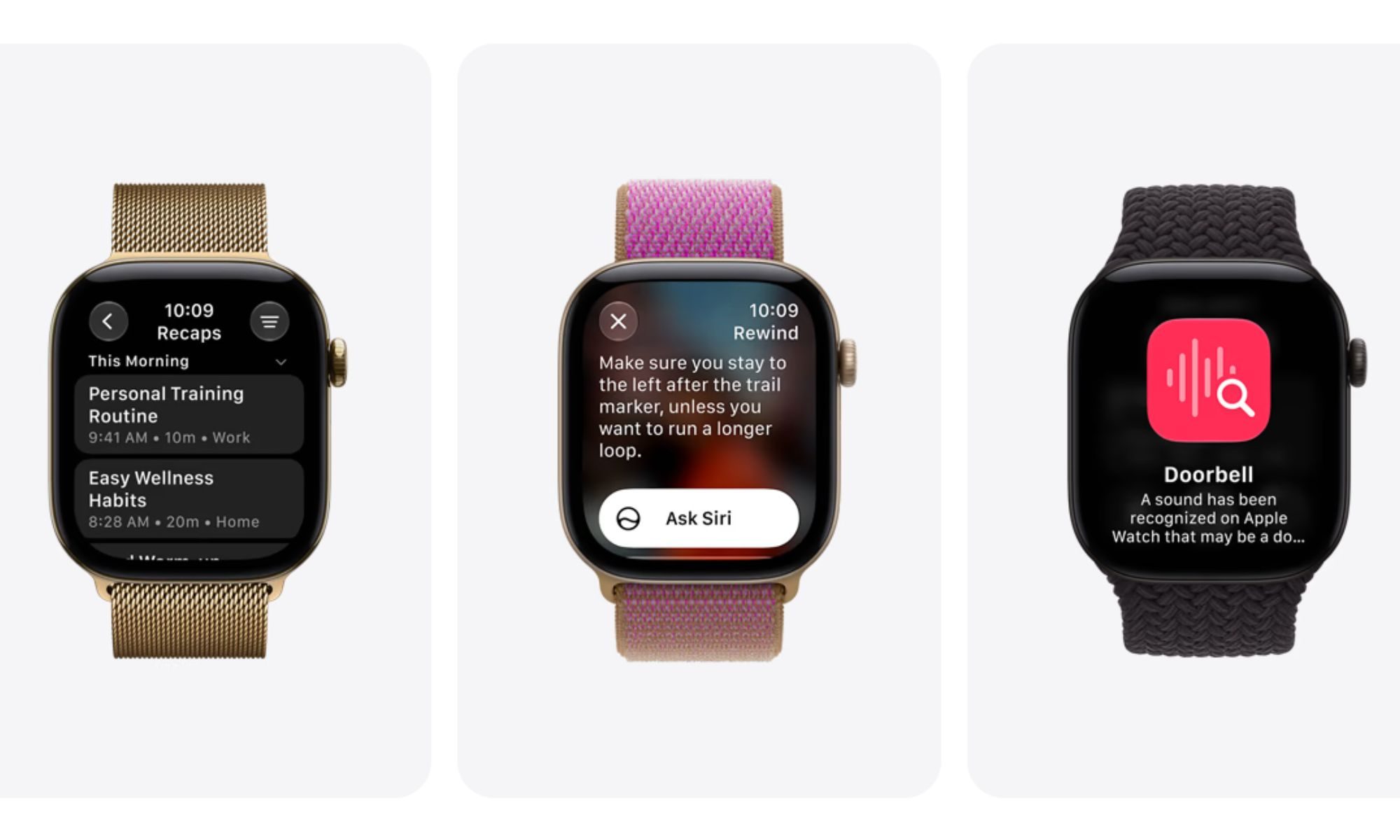
I’m not fully sold on this one. Apple keeps stressing the privacy angle, and to be fair, the processing happens on device and audio isn’t stored. But I still don’t love the idea of feeling recorded every time I’m around someone wearing an Apple Watch Series 12.
Small reservations aside, between the health sensors, the readiness score, and that tougher display, the Series 12 gives me more reasons to upgrade than every Apple Watch since my Series 8. Looks like my four year streak is finally coming to an end.


