  1. Home
  2. Wearables
  3. News

Meta VR Glasses slap a sexy 5K screen on your face with hologram calls

Add as a preferred source on Google
Meta VR Glasses
Meta

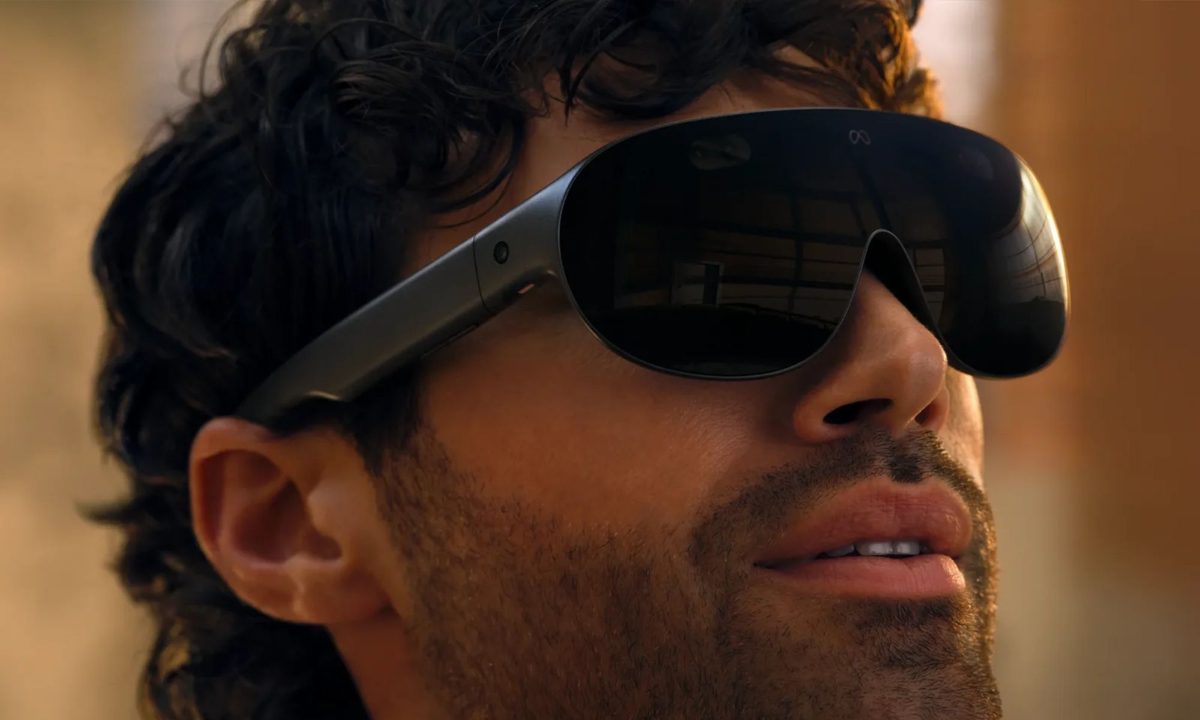
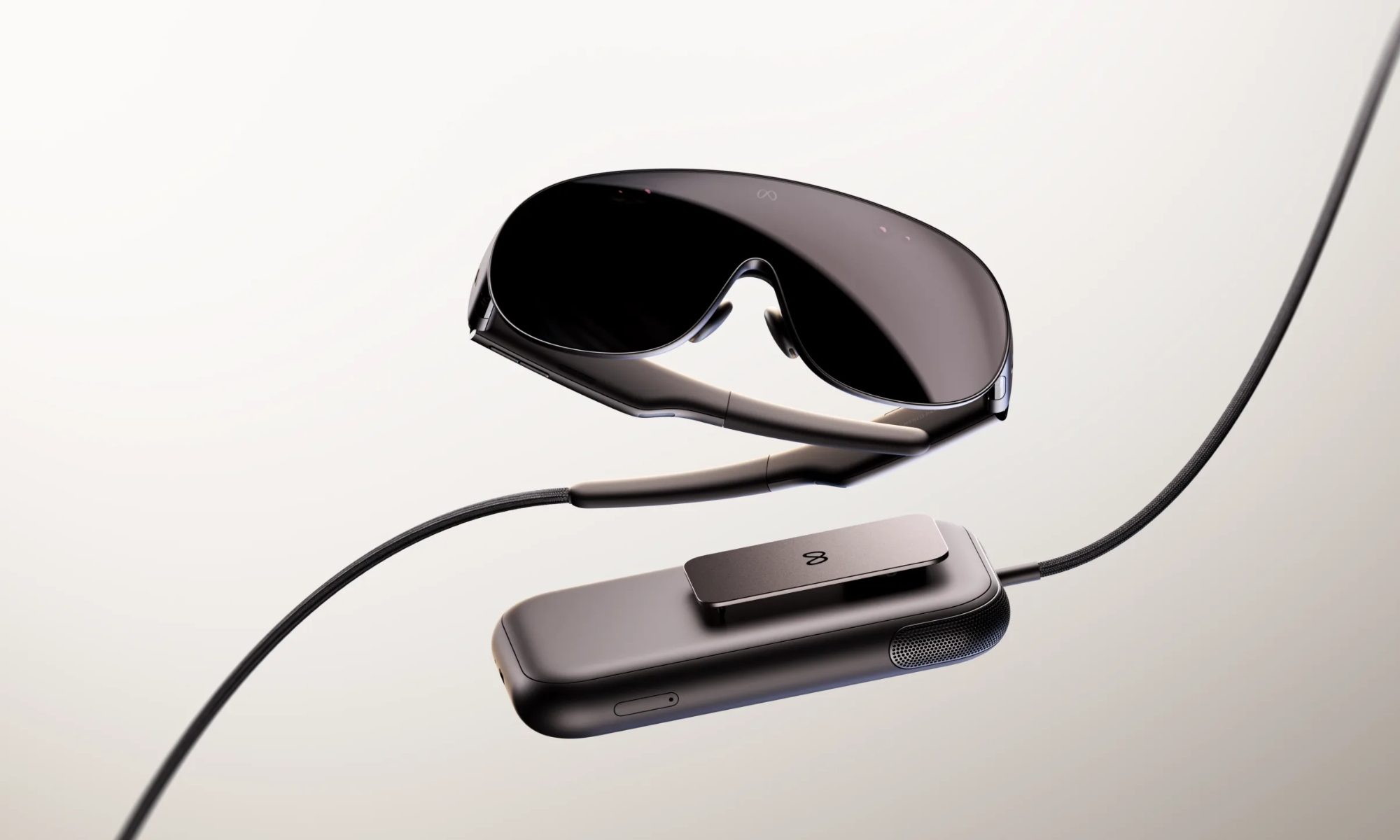
Meta has just introduced a new kind of smart glasses, and they are arguably the most stylish pair the company has ever made. Say hello to the Meta VR glasses, which combine virtual reality with plenty of other tricks, including an onboard agent, support for holographic calls, and a virtual keyboard that you can place on any surface.

On the computing side of things, they can link up with a Mac or Windows PC wirelessly or over USB-C, with support for full-color passthrough viewing. They are ready for over 75 games at launch, which can all be enjoyed using just hand gestures. They will also support the full Meta Quest games library, and hundreds of other titles via XBOX Cloud Gaming, with full support for third-party controllers.

The most intriguing part of these glasses is the full-body holographic avatars. Meta says these are “photorealistic digital versions of you, including your real-time expressions and reactions, for hands-free video calling on Meta VR Glasses.” Even if the person on the other end is attending the call on a PC or phone, they will still be able to see your holographic avatar on the screen, irrespective of the video calling app they are using.

Recommended Videos

Powered by Qualcomm’s Snapdragon Reality Elite processor, these glasses also support 45W wired top-up and enable three hours of continuous high-resolution media playback per charge. Meta says these are the first IMAX Enhanced-certified VR devices of their kind out there, and they will enable a fully immersive 3D viewing experience for a select bunch of films and TV shows.

“Meta VR Glasses feature a 5K Infinite Display built on micro-OLED panels, with 37 pixels per degree, delivering stunning clarity and detail — great for text legibility,” says the company. The entire operating system is woven around the built-in AI agent, but you can navigate through the software experience using head gestures, hand gestures, or even eye movement.
Meta is aggressively positioning its new hardware as an entertainment powerhouse, rounding up heavy hitters like Prime Video, YouTube, AMC+, and Tubi. Moreover, Peacock, HBO Max, and Paramount+ are bringing their 3D media catalogs to a VR headset for the very first time.

RELATED COVERAGE:

Nadeem Sarwar
Nadeem is the Managing Editor at Digital Trends.
Nothing might be taking on Meta with its own smart glasses
Viture Pro 2 smart glasses

Nothing has already made a name for itself with smartphones, earbuds, and other accessories that look a little different from everything else on the market. Now, the company may be preparing to add another product category to its lineup: smart glasses.

According to Roland Quandt, who shared the details on Bluesky, Nothing is working on two different types of smart glasses. One will reportedly focus on audio, letting you listen to music and take calls, while the other could offer a built-in camera, ChatGPT integration, and translation features. While Nothing hasn't officially confirmed either product, the leak gives us an early idea of what the company might be planning.

Read more
Samsung Health now needs just 3 days of sleep data to coach you toward better sleep
Samsung is making its Sleep Coaching feature easier to access while adding more personalized advice and clearer sleep reports.
Samsung health sleep tracking

Samsung is making it much easier to get started with Sleep Coaching in the Samsung Health app. With its latest update, you only need three days of sleep data from the past two weeks to begin, down from seven days in a month.

I think that’s a welcome change. Sleep Tracking only tells you how you slept, while Sleep Coaching tries to help you build better sleep habits. Lowering the requirement means you reach the more useful feature much sooner.

Read more
Fitbit Edge gives me more features, but my money’s still on the Fitbit Air
Fitbit Edge vs Fitbit Air: Sometimes, less really is more
Google Fitbit Edge launched

I'll admit, Google's new Fitbit Edge looks on par with some of the great fitness bands coming out of China. It takes everything I appreciate about traditional Fitbit trackers and wraps it in a sleek design and better polish. You get a 1.34-inch Hybrid OLED display, built-in GPS, ECG support, and a physical button. Google has even made the battery replaceable, something I genuinely appreciate in an era when most wearables become disposable once their batteries deteriorate.

For $179.99, the Edge seems to be reasonably priced too. However, the more I think about what I'd actually want from a fitness tracker, the more I lean towards Google's $99.99 Fitbit Air. Believe it or not, the lack of a display is also the Air's biggest strength.

Read more