  1. Home
  2. Wearables
  3. News

Meta’s Muse Charm puts an AI assistant on your keychain, no phone required

The tiny device is designed to give you instant access to Muse without the distractions that come with pulling out your phone.

Add as a preferred source on Google
Meta muse charm
Meta

Remember the Tamagotchi, the little egg-shaped digital pet that everyone carried around in the 90s? Meta seems to remember it too, because its latest gadget looks a lot like one. 

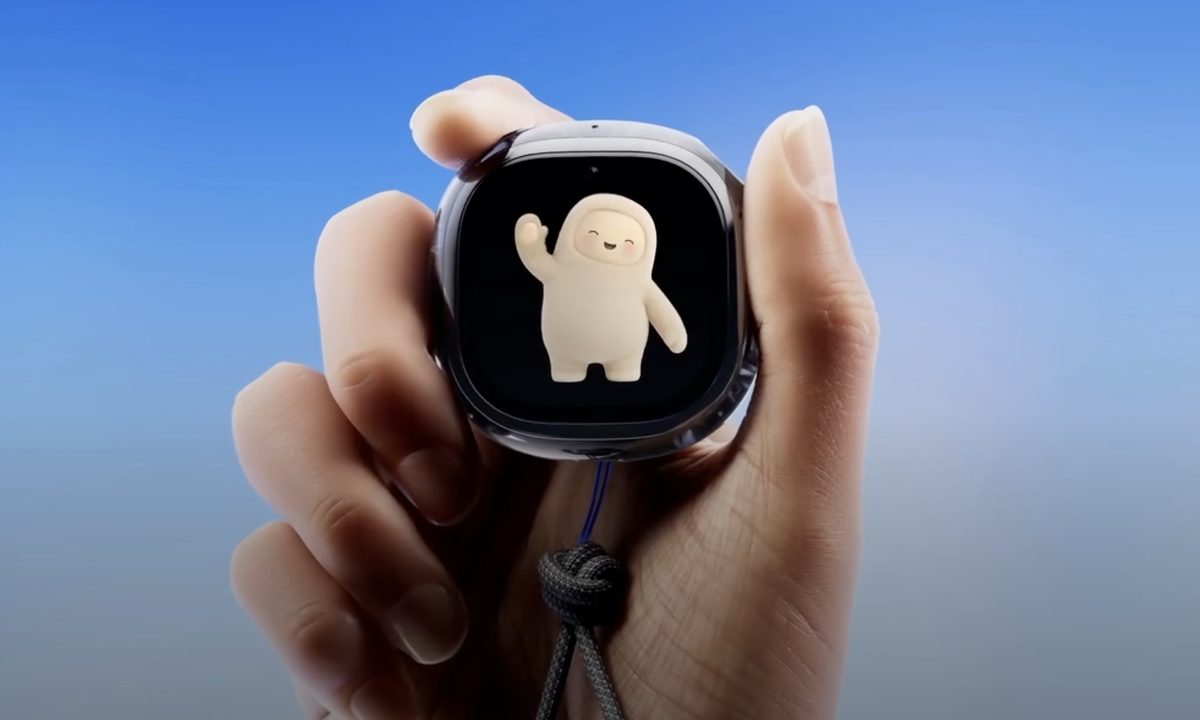
At the Meta Connect event, along with showcasing its new Meta VR glasses and camera-less Ray-Bans, CEO Mark Zuckerberg also showed off Muse Charm, a tiny handheld device built for talking to your Muse AI agent.

Recommended Videos

The Charm has a similar shape and size as the Tamagotchi, but instead of a digital pet, its modern display shows your Muse AI agent. From some angles, it looks like a stopwatch.

What can Muse Charm do?

According to Zuckerberg, Meta has packed the entire Muse experience into a device small enough to hang from your keychain. That includes the real-time voice and avatar tech, so your AI agent is always ready to chat.

Using it is simple. Tap the fingerprint sensor in the corner to start talking right away. There’s no need to unlock your phone or open an app. Zuckerberg says that if you’re not wearing glasses, the Charm is by far the fastest way to talk to your Muse and show it what’s going on around you.

When can you get your hands on it?

Muse Charm isn’t quite finished yet. Meta has only built a handful of units so far, and the team still needs to finalize the finishing material and component layout. That said, Zuckerberg called playing with it “absolutely joyful,” which sounds promising.
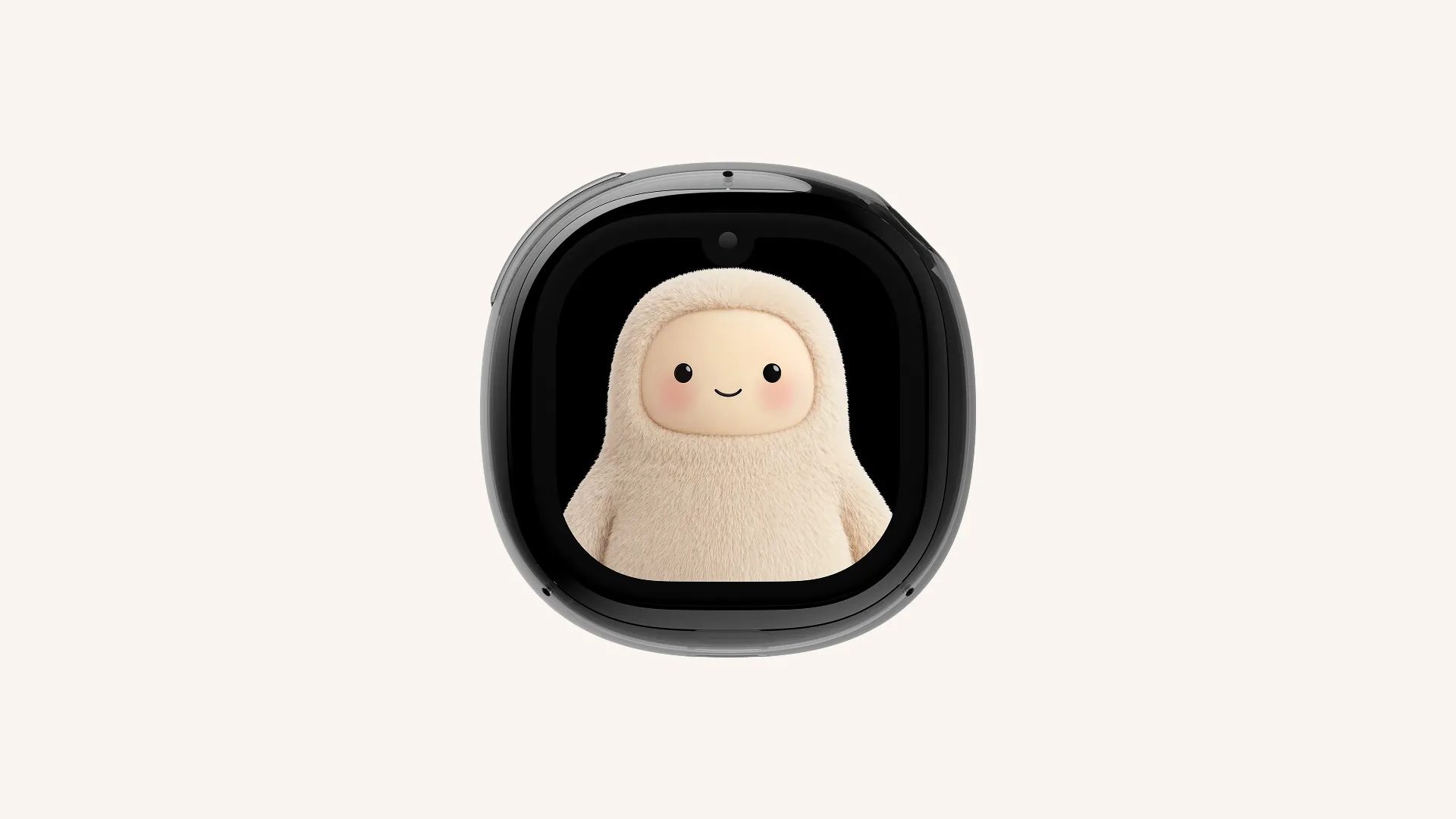
The good news is that Meta plans to ship Muse Charm in December, just in time for the holidays. Meta hasn’t shared pricing yet, but you can sign up for email updates on the Muse Charm website.

Personally, I love the idea of an AI assistant I can reach without pulling out my phone and getting sucked into notifications. If Meta nails the details, Muse Charm could become the Tamagotchi of the AI era.

Rachit Agarwal
Rachit is a seasoned tech journalist with over ten years of experience covering the consumer technology landscape.
Nothing might be taking on Meta with its own smart glasses
Viture Pro 2 smart glasses

Nothing has already made a name for itself with smartphones, earbuds, and other accessories that look a little different from everything else on the market. Now, the company may be preparing to add another product category to its lineup: smart glasses.

According to Roland Quandt, who shared the details on Bluesky, Nothing is working on two different types of smart glasses. One will reportedly focus on audio, letting you listen to music and take calls, while the other could offer a built-in camera, ChatGPT integration, and translation features. While Nothing hasn't officially confirmed either product, the leak gives us an early idea of what the company might be planning.

Read more
Samsung Health now needs just 3 days of sleep data to coach you toward better sleep
Samsung is making its Sleep Coaching feature easier to access while adding more personalized advice and clearer sleep reports.
Samsung health sleep tracking

Samsung is making it much easier to get started with Sleep Coaching in the Samsung Health app. With its latest update, you only need three days of sleep data from the past two weeks to begin, down from seven days in a month.

I think that’s a welcome change. Sleep Tracking only tells you how you slept, while Sleep Coaching tries to help you build better sleep habits. Lowering the requirement means you reach the more useful feature much sooner.

Read more
Fitbit Edge gives me more features, but my money’s still on the Fitbit Air
Fitbit Edge vs Fitbit Air: Sometimes, less really is more
Google Fitbit Edge launched

I'll admit, Google's new Fitbit Edge looks on par with some of the great fitness bands coming out of China. It takes everything I appreciate about traditional Fitbit trackers and wraps it in a sleek design and better polish. You get a 1.34-inch Hybrid OLED display, built-in GPS, ECG support, and a physical button. Google has even made the battery replaceable, something I genuinely appreciate in an era when most wearables become disposable once their batteries deteriorate.

For $179.99, the Edge seems to be reasonably priced too. However, the more I think about what I'd actually want from a fitness tracker, the more I lean towards Google's $99.99 Fitbit Air. Believe it or not, the lack of a display is also the Air's biggest strength.

Read more