  1. Home
  2. Wearables
  3. Android
  4. Mobile
  5. News

The Moto Watch 100 might skip out on Google’s Wear OS entirely for a custom OS

Add as a preferred source on Google

A new Motorola-branded smartwatch, the Moto Watch 100, has been in the works for months now, with the chip shortage being a major factor in its delay. Now, the wearable is on the cusp of launch — and a new leak from Evan Blass (@evleaks on Twitter) says it may not be running Google’s Wear OS as expected.

The Moto Watch 100 is a cheap Motorola-branded watch by CE Brands that’s had some of its specifications leak earlier. As far as hardware goes, it will be quite standard, should the rumors pan out. It’ll be a light watch at 29 grams, with a 355mAh battery and support for Bluetooth 5.0. All the old familiar sensors, from accelerometers to gyroscopes, are there, and it’ll be a fitness-focused watch. What is interesting about this watch is the alleged choice of operating system. Rather than adopting Google’s Wear OS as expected, the Motorola Watch 100 will, according to Blass, run an all-new Moto Watch OS.
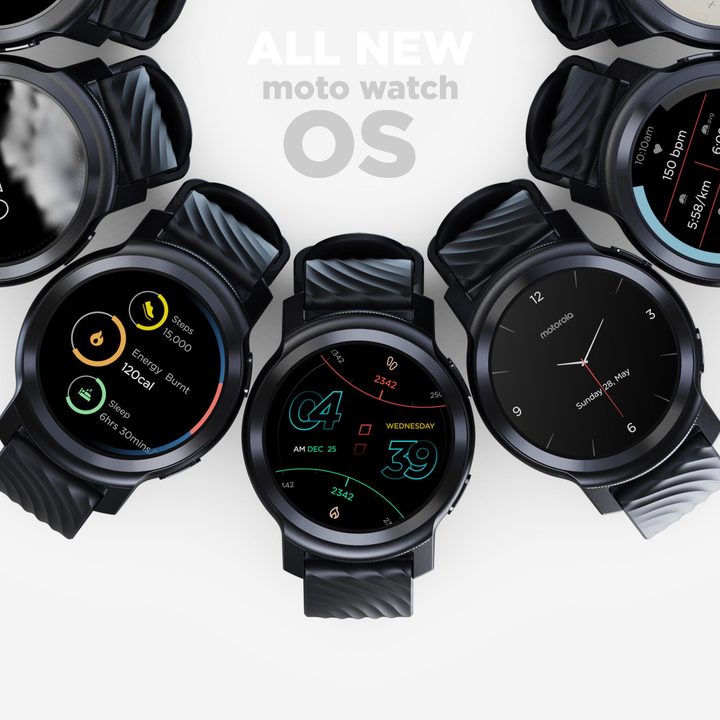
The Motorola Watch 100.
Evan Blass

The Motorola smartwatch brand owner is not the only smartwatch maker to roll out its own operating system. Another prominent Android phone maker, OnePlus, has done so recently with the OnePlus Watch and its real-time operating system (RTOS). The main disadvantage with this approach is that there is a lack of third-party app support compared to more mainstream smartwatches. When one considers how smartwatches end up being used in practice, it may not be such a huge loss if the basic fitness-tracking features sync up with your smartphone.

Recommended Videos

It may be all the same to your average person, but this poses a challenge for Google despite Samsung recently returning to the fold. Smartphone makers are used to making Android phones simply because they have no real choice. With Wear OS-powered watches being massively outsold by the Apple Watch (and Google’s own lackadaisical treatment of the platform), watchmakers may try to break away from Google.

Even with Google’s Wear OS 3 being by all accounts an excellent revamp, the smartwatch market might still end up fragmented between different unrelated operating systems for the foreseeable future.

Michael Allison
Former Mobile News Writer
A UK-based tech journalist for Digital Trends, helping keep track and make sense of the fast-paced world of tech with a…
The camera on my smart glasses gives me the ick. The people around me feel the same.
Hey, stranger, you won't know it, but I just captured you in a picture and recorded you in a video!
Person wearing glasses with a camera

"Dude, I feel like a creep every time I press the camera button and the LED lights up." That was the blunt verdict from a friend who tried my camera-equipped smart glasses earlier today. My own feelings aren't too different. There's also a functional friction here, which I'll rant about soon enough.

I've used plenty of smart glasses. For the past four years or so, even before Meta flooded the market with its Ray-Ban-branded camera glasses, I've been playing around with another breed that lacked a camera but still offered plenty of fun. Brands like Rokid, XREAL, and Viture have been selling smart glasses with a built-in display unit, promising a private screen that sits right on your face. Immersive entertainment, or spatial computing on the go, all of it without a monitor in sight.

Read more
Nothing might be taking on Meta with its own smart glasses
Viture Pro 2 smart glasses

Nothing has already made a name for itself with smartphones, earbuds, and other accessories that look a little different from everything else on the market. Now, the company may be preparing to add another product category to its lineup: smart glasses.

According to Roland Quandt, who shared the details on Bluesky, Nothing is working on two different types of smart glasses. One will reportedly focus on audio, letting you listen to music and take calls, while the other could offer a built-in camera, ChatGPT integration, and translation features. While Nothing hasn't officially confirmed either product, the leak gives us an early idea of what the company might be planning.

Read more
Samsung Health now needs just 3 days of sleep data to coach you toward better sleep
Samsung is making its Sleep Coaching feature easier to access while adding more personalized advice and clearer sleep reports.
Samsung health sleep tracking

Samsung is making it much easier to get started with Sleep Coaching in the Samsung Health app. With its latest update, you only need three days of sleep data from the past two weeks to begin, down from seven days in a month.

I think that’s a welcome change. Sleep Tracking only tells you how you slept, while Sleep Coaching tries to help you build better sleep habits. Lowering the requirement means you reach the more useful feature much sooner.

Read more