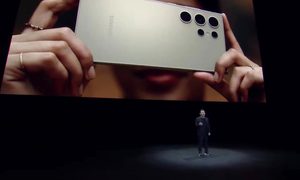
A concerning rumor about the Samsung Galaxy S24 Ultra has actually come true, and I’m quite shocked.
The new Ultra phone does not have the 10x optical zoom camera that made the Galaxy S23 Ultra, the Galaxy S22 Ultra, and the Galaxy S21 Ultra so unique. Instead, it has a 3x and a 5x optical zoom, plus an AI-enhanced hybrid 10x “optical quality” mode, meaning it actually has more in common with the Galaxy S20 Ultra than any subsequent models.
It’s the wrong decision, in my humble opinion. But here’s why I am not dismissing the Galaxy S24 Ultra just yet and why other photo fans shouldn’t either.
The Galaxy S24 Ultra’s camera

The Galaxy S24 Ultra’s camera is made up of a 200-megapixel main camera, a 12MP wide-angle camera, and a pair of telephoto cameras. A 50MP telephoto camera provides a 5x optical zoom, while a 10MP telephoto provides a 3x optical zoom. Zoom in to 2x and 10x, and Samsung promises “optical quality” shots, as the 50MP telephoto camera uses its higher megapixel count and plenty of software trickery to create the final 10x image.
This is different from how the Galaxy S23 Ultra handles these zoom shots. It has a pair of 10MP telephoto cameras for 3x and 10x optical zoom photos and uses software to create hybrid photos at other zoom levels. While the S24 Ultra differs from the last Galaxy Ultra phone, it’s not dissimilar to the Apple iPhone 15 Pro Max — which has a 12MP telephoto camera for 5x optical zoom and then a digital zoom for anything else around it, up to 25x.

I’m disappointed that Samsung has chosen to go with headline numbers closer to Apple’s iPhone than the S23 Ultra, but not all that surprised.
I’m more saddened by the fact that once the Galaxy S23 Ultra disappears from store shelves, we won’t be able to buy a smartphone with a 10x optical zoom at all. The feature is fun and versatile and allows you to take pin-sharp, blur-free photos at a zoom level not offered on any other phone. I’ll really miss it.
Should you forget the S24 Ultra?

Does this mean I’m dismissing the Galaxy S24 Ultra’s telephoto camera entirely and saying it won’t be as good as the S23 Ultra? No, I’m not.
I’m obviously disappointed by the lack of 10x optical zoom, but I’m also quietly confident in Samsung’s ability to make its 10x hybrid shots the best possible. After all, hybrid digital zoom quality has improved over the last few years, and Samsung has gone all-out with some impressive AI in the S24 Ultra to help boost camera performance further.

When I compared the iPhone 14 Pro’s 5x digital zoom to the iPhone 15 Pro Max’s 5x optical zoom, there was a difference, but it wasn’t dramatic, and the pair were very close. I had the chance to briefly try the Galaxy S24 Ultra’s 5x optical zoom and 10x digital zoom during some hands-on time ahead of its launch, and the results reminded me of my experience with the iPhone. The 10x photos are good quality, just not quite as good quality as the 5x optical shots.
If Samsung’s software and AI, the Qualcomm Snapdragon 8 Gen 3, plus the updated camera sensors on the S24 Ultra can bring the hybrid shots really close to the S23 Ultra’s 10x optical zoom when I try it out more, then I’ll begrudgingly accept the winds of change. However, previous experience also shows that photos taken with a digital zoom can still be pretty poor, which we observed when we put the S23 Ultra against the Google Pixel 7 Pro and even the Galaxy A54.
New tech, new opportunities

I’m going to wait and see how the Galaxy S24 Ultra’s telephoto camera performs out in the real world before passing judgment, and I do think there’s a strong chance the phone’s tech and software should mostly be able to compensate for the lack of 10x optical zoom. That’s all before I get to grips with the improved main camera and all the AI editing tools that impressed me so much when I tried them out. I’m still confident the S24 Ultra will have a superb, versatile, and fun-to-use camera.
But there’s something else I’m keeping in mind, too. Before I spent any time with the Galaxy S21 Ultra, S22 Ultra, or S23 Ultra, I didn’t have any idea I would enjoy using a 10x optical zoom. It was only once I started using it that it made photos I’d never considered before not only possible, but look good too. Perhaps something similar will happen when I am somewhat restricted to a 5x optical zoom? Constraints and limitations can sometimes boost creativity as we look for ways to work around them. I’m not saying this will definitely be the case here, but if the 10x quality doesn’t live up to expectations, I may take solace in it.

With the Samsung Galaxy S23 Ultra, we wave goodbye to a smartphone with a 10x optical zoom telephoto camera built into the device, and it’s a great shame. But it’s also not the first time Samsung has made an odd hardware decision and then reversed it a year later. Just look at the Galaxy Watch 5 Pro’s lack of rotating bezel and its return on the Galaxy Watch 6 Classic for evidence.
So, I’ll also look forward to the triumphant comeback of a 10x optical zoom camera on the Galaxy S25 Ultra while I try out the Galaxy S24 Ultra’s 5x optical zoom.
Pre-Order Now Pre-Order Now