  1. Home
  2. Wearables
  3. Android
  4. Mobile
  5. News

Samsung’s Galaxy Z Fold 3 is adding an S Pen, replacing this year’s Galaxy Note

Add as a preferred source on Google
galaxy unpacked 2025
This story is part of our Samsung Galaxy Unpacked 2026 coverage

Samsung’s Unpacked event on August 11 is going to be a doozy. President of Mobile Communications, TM Roh, just dropped a ton of new information about what we can expect from the announcement. In news that will shock precisely nobody, he confirmed that Samsung will unveil new foldables at the event — but it’s the details that have us intrigued.

Roh first makes it clear that this next generation, expected to be the Galaxy Z Fold 3 and Galaxy Z Flip 3, will be “armed with more durable, stronger materials.” That’s critical to the widespread adoption of foldables, which have made strides but are still inarguably more fragile than non-folding phones. But that strength matters in a very specific area for Samsung: It will be announcing a new S Pen specifically for foldables. It’ll likely be different from the Galaxy Note 20 Ultra‘s, which could damage current foldable display coverings unless Samsung also unveils dramatically stronger “Ultra Thin Glass.” The question is whether this will also lead to shortcomings in features like pressure sensitivity, tracking, and accuracy.
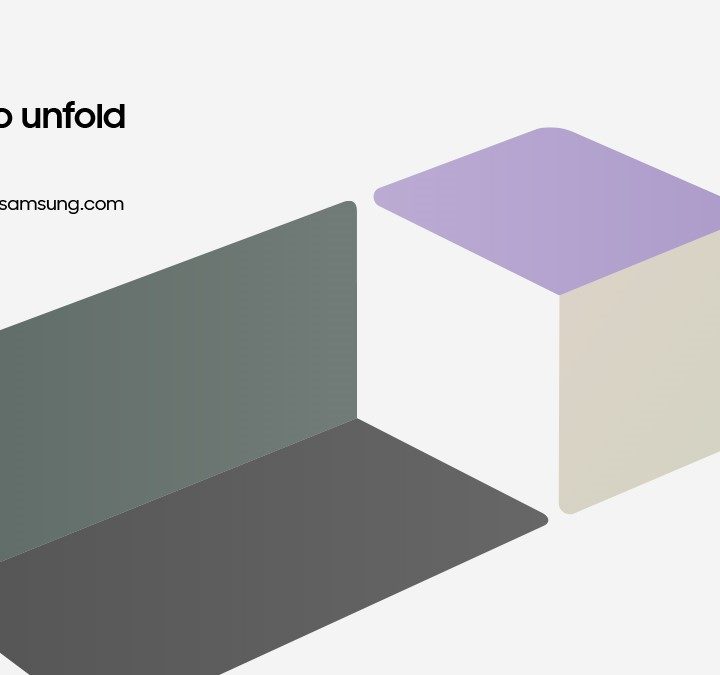
Samsung Galaxy Unpacked August 2021 event invite.
Samsung

Unsurprisingly, Roh also confirms that these new S Pen developments for foldables will be the only S Pen news this year: There will be no new Galaxy Note in 2021. The post leaves wiggle room for future Notes, with Roh stating there won’t be a new Galaxy Note “this time around,” but the writing has been on the wall for years now — the Galaxy Note line’s days are numbered, as Samsung simply takes popular Note features and integrates them into its other devices.

Recommended Videos

Back on foldables, Roh is touting Samsung’s ongoing partnership with Google and Microsoft in growing the foldable app ecosystem. “Even more partner apps” that make the most of foldable form factors will debut alongside the new Galaxy Z lineup, which will come as a relief to those of us who have constantly struggled with apps that don’t properly scale to foldables. Apps simply not being compatible with — to say nothing of being actually optimized for — foldables remains one of the biggest hang-ups for the adoption of these devices.

Roh’s post may have concentrated on folding smartphones, but don’t think that will be all Samsung has planned for August 11. It’s almost certain the next Galaxy Watch models will be there, and we know they will use the new Wear software platform engineered in cooperation with Google and feature the One UI interface. It promises to be a huge step forward for Android smartwatches, and Samsung getting in first will likely give it a big advantage in the market. Exciting stuff.

We’ll see everything Samsung has to offer, from foldables to wearables, on August 11.

Andrew Martonik
Andrew Martonik is the Editor in Chief at Digital Trends, leading a diverse team of authoritative tech journalists.
The camera on my smart glasses gives me the ick. The people around me feel the same.
Hey, stranger, you won't know it, but I just captured you in a picture and recorded you in a video!
Person wearing glasses with a camera

"Dude, I feel like a creep every time I press the camera button and the LED lights up." That was the blunt verdict from a friend who tried my camera-equipped smart glasses earlier today. My own feelings aren't too different. There's also a functional friction here, which I'll rant about soon enough.

I've used plenty of smart glasses. For the past four years or so, even before Meta flooded the market with its Ray-Ban-branded camera glasses, I've been playing around with another breed that lacked a camera but still offered plenty of fun. Brands like Rokid, XREAL, and Viture have been selling smart glasses with a built-in display unit, promising a private screen that sits right on your face. Immersive entertainment, or spatial computing on the go, all of it without a monitor in sight.

Read more
Nothing might be taking on Meta with its own smart glasses
Viture Pro 2 smart glasses

Nothing has already made a name for itself with smartphones, earbuds, and other accessories that look a little different from everything else on the market. Now, the company may be preparing to add another product category to its lineup: smart glasses.

According to Roland Quandt, who shared the details on Bluesky, Nothing is working on two different types of smart glasses. One will reportedly focus on audio, letting you listen to music and take calls, while the other could offer a built-in camera, ChatGPT integration, and translation features. While Nothing hasn't officially confirmed either product, the leak gives us an early idea of what the company might be planning.

Read more
Samsung Health now needs just 3 days of sleep data to coach you toward better sleep
Samsung is making its Sleep Coaching feature easier to access while adding more personalized advice and clearer sleep reports.
Samsung health sleep tracking

Samsung is making it much easier to get started with Sleep Coaching in the Samsung Health app. With its latest update, you only need three days of sleep data from the past two weeks to begin, down from seven days in a month.

I think that’s a welcome change. Sleep Tracking only tells you how you slept, while Sleep Coaching tries to help you build better sleep habits. Lowering the requirement means you reach the more useful feature much sooner.

Read more