  1. Home
  2. Wearables
  3. News

TCL Wearable Display squeezes a giant HD TV into a pair of sunglasses

Add as a preferred source on Google
 

Not too much time was necessarily spent coming up with the current working title for TCL’s wearable display, the, err, TCL Wearable Display, but make no mistake: This is no rushed attempt to bring a pair of smartglasses to market.

Recommended Videos

Formerly known as TCL Project Archery, this wearable — which promises a virtual screen the equivalent size to a 100-inch television — has been shown off in various stages for the past couple of years. At this year’s virtual CES, however, the company responsible for it has finally gotten around to showcasing the wearable in something approaching a market-ready form.

The TCL Wearable Display is a sleek pair of glasses that, unlike the Google Glass of yesteryear, don’t immediately make it look like the wearer is cosplaying as a member of the Borg from Star Trek. At worst, they’re unremarkable glasses and, at best, they’re pretty stylish. Either way, they’re unlikely to attract glances laced with ridicule or curiosity from everyone you encounter.
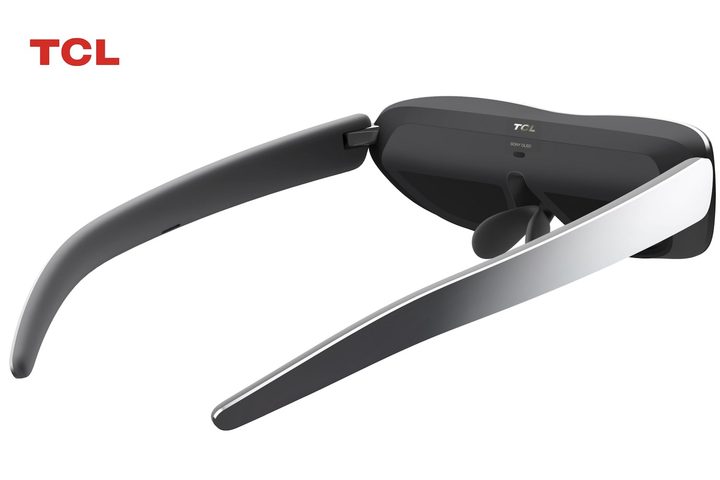
TCL glasses
TCL

They boast an 1080p OLED display, offering a 140-degree field of view and powered by a small onboard processor. There is no battery built into the glasses. Instead, they pull power from another device connected via USB-C. This does reportedly mean that, if you want to actually watch something on the glasses, rather than just using them as glasses, you’ll need to plug them in to a phone, tablet, or computer.

This is, in itself, a disadvantage compared to some of the wireless AR glasses in various stages of development. TCL’s product is more basic in what it promises to do, but that still may be enough to make them a compelling prospect for many people.

After all, who wouldn’t want to be able to sit back anywhere they choose and watch a movie on a giant virtual screen? It’s only relatively recently that the audio equivalent of this — the humble headphones or earbuds — went wireless. Until then, most of us were happy to have a wire trailing into our pocket to attach our listening device to a phone. Why wouldn’t folks do the same for an equally portable viewing device?

There’s no word on how much the TCL Wearable Display will cost or exactly when it will be available. They will reportedly launch sometime later this year, and come in a bundle package with a TCL phone and content service subscription.

Luke Dormehl
I'm a UK-based tech writer covering Cool Tech at Digital Trends. I've also written for Fast Company, Wired, the Guardian…
The camera on my smart glasses gives me the ick. The people around me feel the same.
Hey, stranger, you won't know it, but I just captured you in a picture and recorded you in a video!
Person wearing glasses with a camera

"Dude, I feel like a creep every time I press the camera button and the LED lights up." That was the blunt verdict from a friend who tried my camera-equipped smart glasses earlier today. My own feelings aren't too different. There's also a functional friction here, which I'll rant about soon enough.

I've used plenty of smart glasses. For the past four years or so, even before Meta flooded the market with its Ray-Ban-branded camera glasses, I've been playing around with another breed that lacked a camera but still offered plenty of fun. Brands like Rokid, XREAL, and Viture have been selling smart glasses with a built-in display unit, promising a private screen that sits right on your face. Immersive entertainment, or spatial computing on the go, all of it without a monitor in sight.

Read more
Nothing might be taking on Meta with its own smart glasses
Viture Pro 2 smart glasses

Nothing has already made a name for itself with smartphones, earbuds, and other accessories that look a little different from everything else on the market. Now, the company may be preparing to add another product category to its lineup: smart glasses.

According to Roland Quandt, who shared the details on Bluesky, Nothing is working on two different types of smart glasses. One will reportedly focus on audio, letting you listen to music and take calls, while the other could offer a built-in camera, ChatGPT integration, and translation features. While Nothing hasn't officially confirmed either product, the leak gives us an early idea of what the company might be planning.

Read more
Samsung Health now needs just 3 days of sleep data to coach you toward better sleep
Samsung is making its Sleep Coaching feature easier to access while adding more personalized advice and clearer sleep reports.
Samsung health sleep tracking

Samsung is making it much easier to get started with Sleep Coaching in the Samsung Health app. With its latest update, you only need three days of sleep data from the past two weeks to begin, down from seven days in a month.

I think that’s a welcome change. Sleep Tracking only tells you how you slept, while Sleep Coaching tries to help you build better sleep habits. Lowering the requirement means you reach the more useful feature much sooner.

Read more