1. Home
  2. Wearables
  3. Health & Fitness
  4. Mobile
  5. News

Xiaomi takes top spot in wearables market for first time as Fitbit falters

Add as a preferred source on Google

Xiaomi may be a name that’s not well known in the United States, but the company has just risen to the top of the wearables food chain. The Chinese tech giant has finished off the second quarter of 2017 with the highest market share of any individual wearables brand, according to data from Strategy Analytics.

Xiaomi reportedly shipped 3.7 million wearables in the second quarter, compared to Fitbit at 3.4 million, and Apple at 2.8 million. This is a vastly different picture than the one from the same time period last year, when Fitbit far and away led the industry with 5.7 million shipments in the period, and Xiaomi could muster only 3 million.

Recommended Videos

In terms of market share, that means Xiaomi currently leads with 17 percent, while Fitbit stands at just under 16 and Apple at 13. The industry has grown eight percent year-over-year, Strategy Analytics reports.

How did Xiaomi manage this ascent? It was all thanks to the success of its inexpensive Mi Band fitness trackers. The Mi Band 2, in particular, can be found for under $25 and yet still boasts a better feature set than many more expensive devices. Although they’re not officially sold in many parts of the world directly from the company, they’re extremely popular in China and can be easily imported.

Because Xiaomi has been able to come into the market at such a low price point without significantly sacrificing quality, it has been able to steal market share from juggernauts like Fitbit. At the same time, Apple’s high-end smartwatch has displayed some healthy growth of its own. One million more Apple Watches were shipped in the second quarter of this year compared to last, indicating consumers are still willing to pay top dollar for premium wearables.

The story is as encouraging for Xiaomi and Apple as it is dire for Fitbit. The company has lagged behind its competitors in offering a viable mainstream smartwatch. The device was supposed to launch in the spring, but lengthy delays have pushed it back to the upcoming holiday season.

In the interim, Fitbit has lost a sizable chunk of the market and earlier in the year was forced to cut its workforce by six percent. With so much riding on its upcoming product, we could be looking at another big shake-up in the industry by this time again next year.

Adam Ismail
Former Contributor
Adam’s obsession with tech began at a young age, with a Sega Dreamcast – and he’s been hooked ever since. Previously…
Google unveils Fitbit Edge with ECG, GPS, and a replaceable battery for good measure
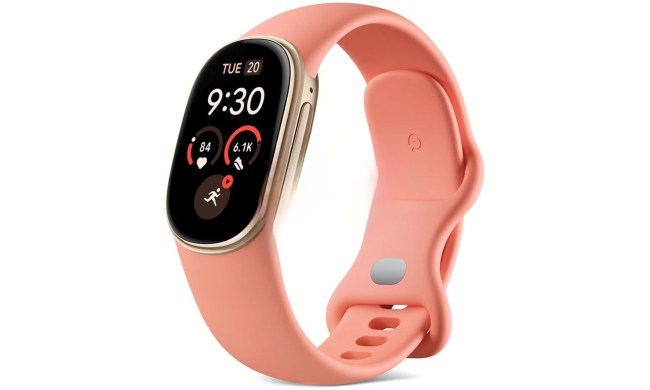
The Fitbit Edge adds a proper display, deeper health tracking, and built-in GPS without giving up week-long battery life.
Google Fitbit Edge launched

Just a few days after teasing the Fitbit Edge, Google has made it official. The new tracker is essentially a middle ground between the screenless Fitbit Air and a full Pixel Watch, and Google is packing a lot into it.

The Fitbit Edge costs $179.99 and is available for pre-order now. It goes on sale October 27 and comes in Obsidian, Fog, Olive, and Canyon finishes. Google is also selling a Stephen Curry Special Edition for $219.99.

Read more
Google just teased its most interesting Fitbit in years, and it’s merely days away
Google’s next fitness band, the Fitbit Edge, is set to arrive on October 12 with ECG, GPS, and an OLED display
Google Fitbit Edge

Google has just released a cryptic teaser for its next wearable device. “Get an Edge on your health,” says the X post by the company's health division. In case you haven't been following the news or the rumor mill, the device in question appears to be the upcoming Fitbit Edge, a fitness band with a screen. Over the past couple of weeks, the device has appeared in leaks showing it from all angles. 

https://twitter.com/googlehealth/status/2108590030050541579?s=46

Read more
A new sweat-sensing smartwatch could help workers stay hydrated in the heat
The watch tracked electrolyte levels for nearly three hours, showing promise for real-time hydration monitoring.
man wearing a smartwatch

If you have ever worked outside on a hot day, you know how much you sweat. In 2023, Associate Professor Isao Shitanda and his team at Tokyo University of Science built a chloride sensor that could be heat-pressed onto T-shirts and wristbands. Their latest device, detailed in a study published online in ACS Omega, is a wristwatch that measures sodium and potassium in sweat in real time.

Why is reading sweat harder than it sounds?

Read more