1. Home
  2. Wearables
  3. News

Smartwatches make tall health tracking claims, but experts just proved that they aren’t as smart

New research breaks down which smartwatch numbers you should actually trust.

Add as a preferred source on Google
Smartwatch
Joe Maring/Digital trends

Smartwatches have improved our lives a lot. Their built-in health tracking has made health data accessible to more people than ever before, making us all a little more cognizant of our physical condition. That said, new research says we should not take that data at face value. 

Researchers at the University of Michigan and Hope College dug into how accurate our trusted smartwatches really are in a new review published in the journal Sensors, and the results are a mixed bag.

What can you actually trust?

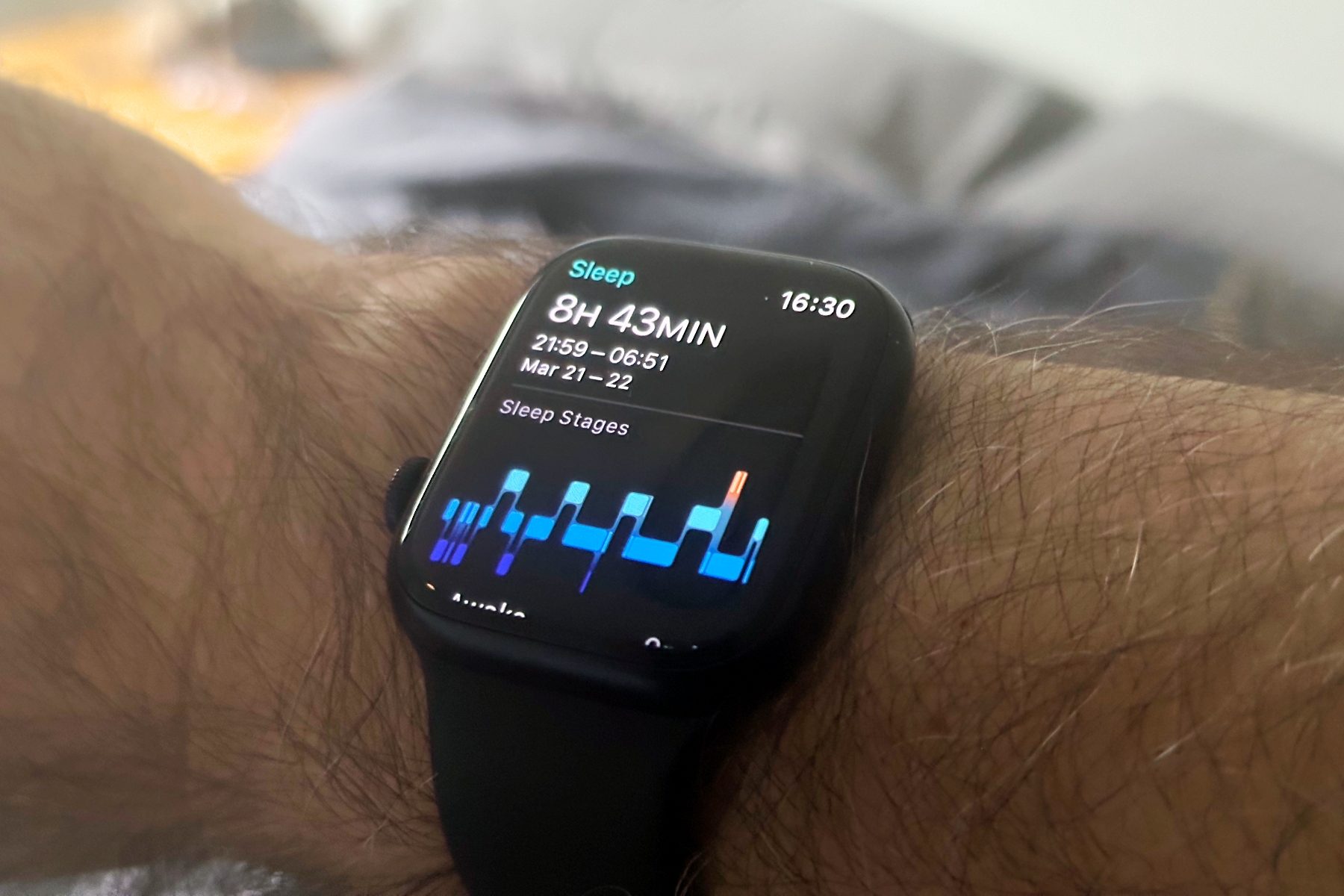
The study found that basic health metrics like resting heart rate hold up well, staying within a couple of beats per minute of the real thing under normal conditions. Sleep tracking is also solid at telling you whether you’re asleep or awake, with over 90% accuracy. But once you get into specific sleep stages like REM or deep sleep, accuracy takes a massive hit, sometimes dropping as low as 50%.
So where do things fall apart?

Things got even worse when researchers started verifying the more complex features. Calorie burn estimates can swing by 10 to 20%, and VO2 max numbers vary depending on how fit you already are. Blood pressure tracking, hydration monitoring, and blood glucose readings are still very much a work in progress. In fact, the FDA has specifically warned against relying on smartwatches or smart rings for glucose monitoring altogether.

The big takeaway from this research is that most of these numbers are modeled estimates built from algorithms, not direct measurements of what’s happening inside your body. Smartwatch data is useful for spotting trends over time, but you shouldn’t treat every number as gospel, especially anything medical.

Recommended Videos

So the next time your watch flashes a warning or claims one of your health metrics jumped overnight, take it with a grain of salt. It’s a helpful nudge, not a lab report. And if you are feeling unwell, it’s best to visit a doctor and get proper tests done rather than relying on your smartwatch data.

Rachit Agarwal
Rachit is a seasoned tech journalist with over ten years of experience covering the consumer technology landscape.
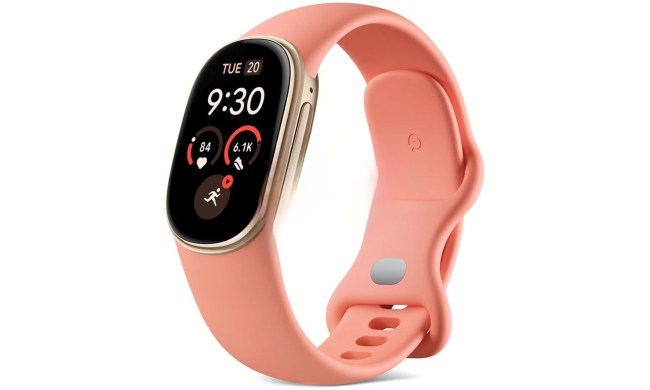
Google unveils Fitbit Edge with ECG, GPS, and a replaceable battery for good measure
The Fitbit Edge adds a proper display, deeper health tracking, and built-in GPS without giving up week-long battery life.
Google Fitbit Edge launched

Just a few days after teasing the Fitbit Edge, Google has made it official. The new tracker is essentially a middle ground between the screenless Fitbit Air and a full Pixel Watch, and Google is packing a lot into it.

The Fitbit Edge costs $179.99 and is available for pre-order now. It goes on sale October 27 and comes in Obsidian, Fog, Olive, and Canyon finishes. Google is also selling a Stephen Curry Special Edition for $219.99.

Read more
Google just teased its most interesting Fitbit in years, and it’s merely days away
Google’s next fitness band, the Fitbit Edge, is set to arrive on October 12 with ECG, GPS, and an OLED display
Google Fitbit Edge

Google has just released a cryptic teaser for its next wearable device. “Get an Edge on your health,” says the X post by the company's health division. In case you haven't been following the news or the rumor mill, the device in question appears to be the upcoming Fitbit Edge, a fitness band with a screen. Over the past couple of weeks, the device has appeared in leaks showing it from all angles. 

https://twitter.com/googlehealth/status/2108590030050541579?s=46

Read more
A new sweat-sensing smartwatch could help workers stay hydrated in the heat
The watch tracked electrolyte levels for nearly three hours, showing promise for real-time hydration monitoring.
man wearing a smartwatch

If you have ever worked outside on a hot day, you know how much you sweat. In 2023, Associate Professor Isao Shitanda and his team at Tokyo University of Science built a chloride sensor that could be heat-pressed onto T-shirts and wristbands. Their latest device, detailed in a study published online in ACS Omega, is a wristwatch that measures sodium and potassium in sweat in real time.

Why is reading sweat harder than it sounds?

Read more