  1. Home
  2. Computing
  3. Legacy Archives

HP Touchsmart 9300 and 610 recline the touch PC

Add as a preferred source on Google
hp-touchsmart-9300-610-reclining-touch-pc
Image used with permission by copyright holder

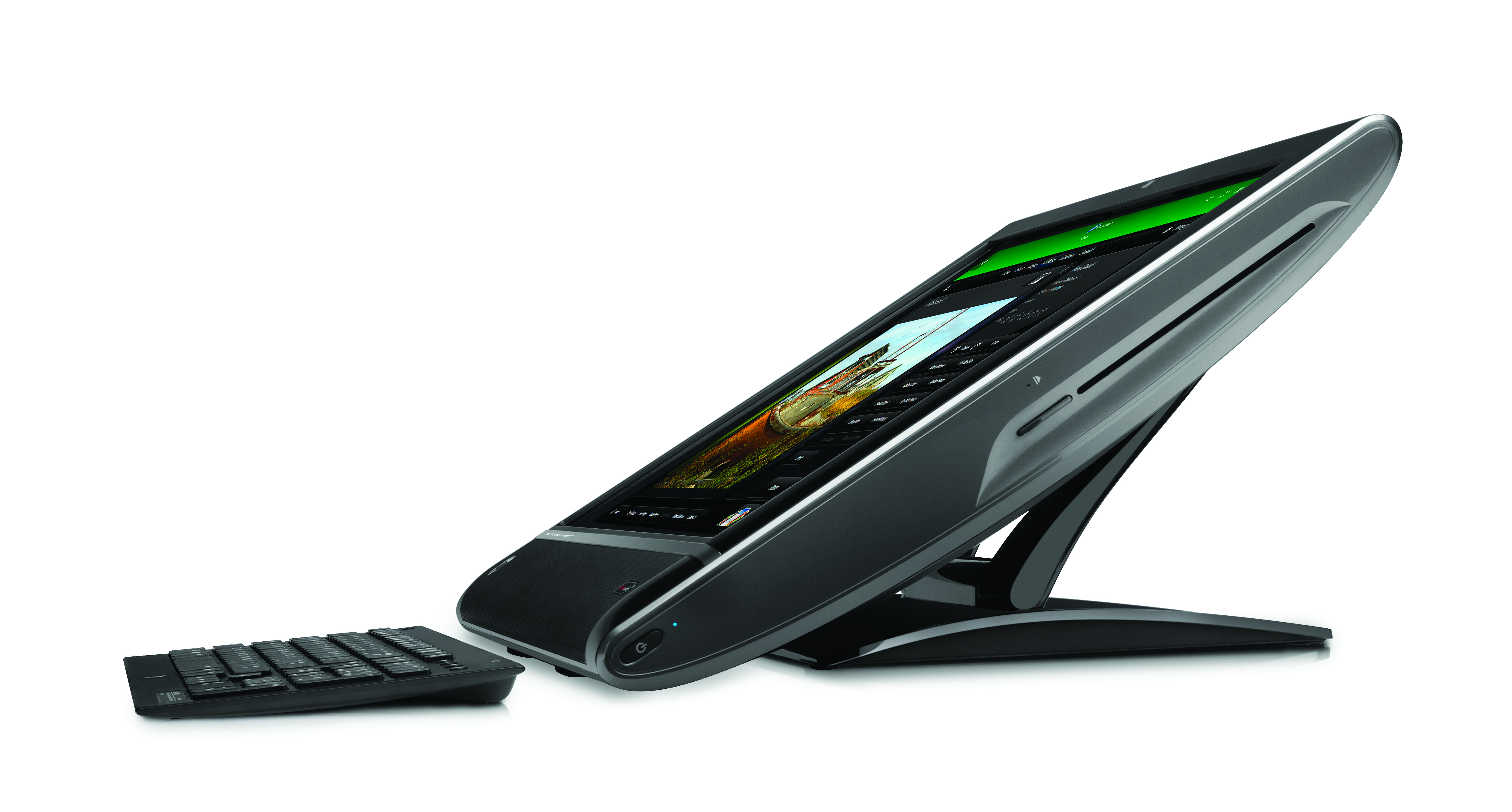
Who says desktop PCs are dead? Today, Hewlett-Packard unveiled the TouchSmart 9300 Elite, a business-class touch PC that can recline up to 60 degrees, tilt forward 5 degrees, and swivel 180 degrees to make touch gesturing much more ergonomic for users. The PC has a 23-inch LED backlit widescreen, multitouch capabilities, and a 1080p HD display. Its consumer PC counterpart, the Touchsmart 610, will also have an upgraded recline. HP describes its new line of PCs as a “revolutionary” leap in touch technology.

The 9300 Elite will replace HP’s current touch PC, the 9100, which has a 30 degree tilt. Under the hood, the desktop can pack as much as 16 GB of RAM. It runs on Windows 7, has up to a 1TB hard drive, an optional 160GB solid-state drive, and Intel’s latest generation of Core i3-i7 processors. Unfortunately, both run on an integrated Intel graphics card, meaning that if you were hoping to do some gaming on the devices, think again. HP has also partnered with Dr. Dre’s Beats Audio to offer an upgraded sound experience on the 610 line, which also has a built in HDTV tuner and access to HP’s apps library, while the 9300 will come with the ability to be easily mounted on the wall, enabling a wider range of business use scenarios. Both computers have a Blu-ray Combo Drive, SD card reader, a dual microphone array, and 2MP webcam.

Recommended Videos

The HP Touchsmart 610 will be available beginning Feb. 9 for prices starting at $899.99. No pricing information has been released for the Touchsmart Elite 9300, but it will be modestly more expensive from what we gather. It will be available in the United States by the end of May. HP will unveil its newest line of notebook PCs tomorrow.

hp-touchsmart-9300-610-reclining-touch-pc-movement
Image used with permission by copyright holder
Jeffrey Van Camp
As DT's Deputy Editor, Jeff helps oversee editorial operations at Digital Trends. Previously, he ran the site's…
If you miss the feel of paper in the digital age, this app gives your Mac’s screen a textured look
A paper-like screen overlay could make long work sessions feel less harsh.
Advertisement, Poster, Electronics

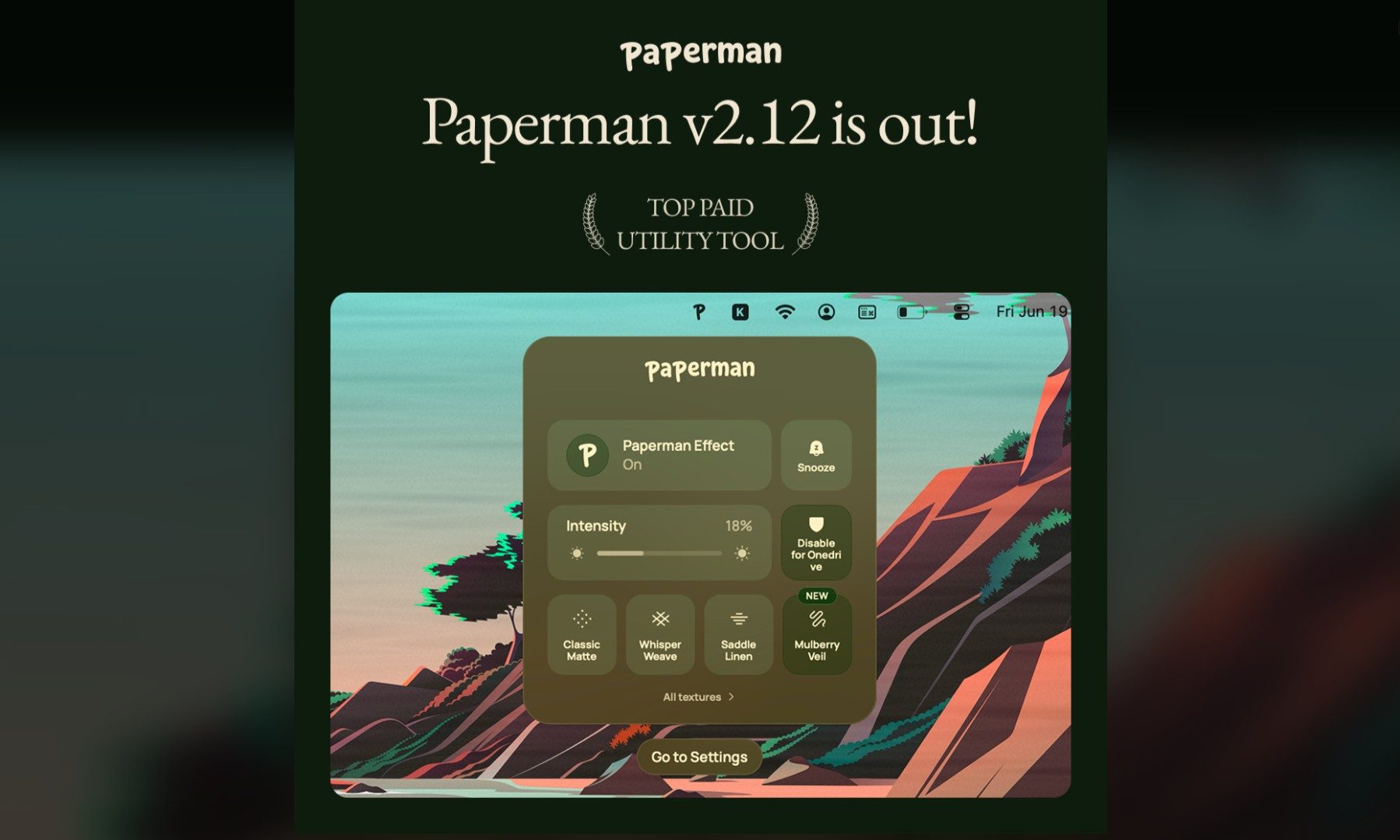
Most screen-comfort tools work by changing color temperature. Apple’s Night Shift makes the screen warmer, often giving everything an orange tint. Paperman is an interesting alternative because it adds a subtle paper-like texture over the display instead.

The app is available for Mac and Windows, and it is designed to make a screen look closer to paper, matte glass, or an e-ink display. It softens the harsh contrast and reduces the glossy look of modern screens during long reading or writing sessions.

Read more
I dug these last-hour Prime Day smart home, laptop, and accessory deals that are irresistible
Deals up to 60% off, a few hours left, and no reason to wait any longer.
Electronics, Phone, Speaker

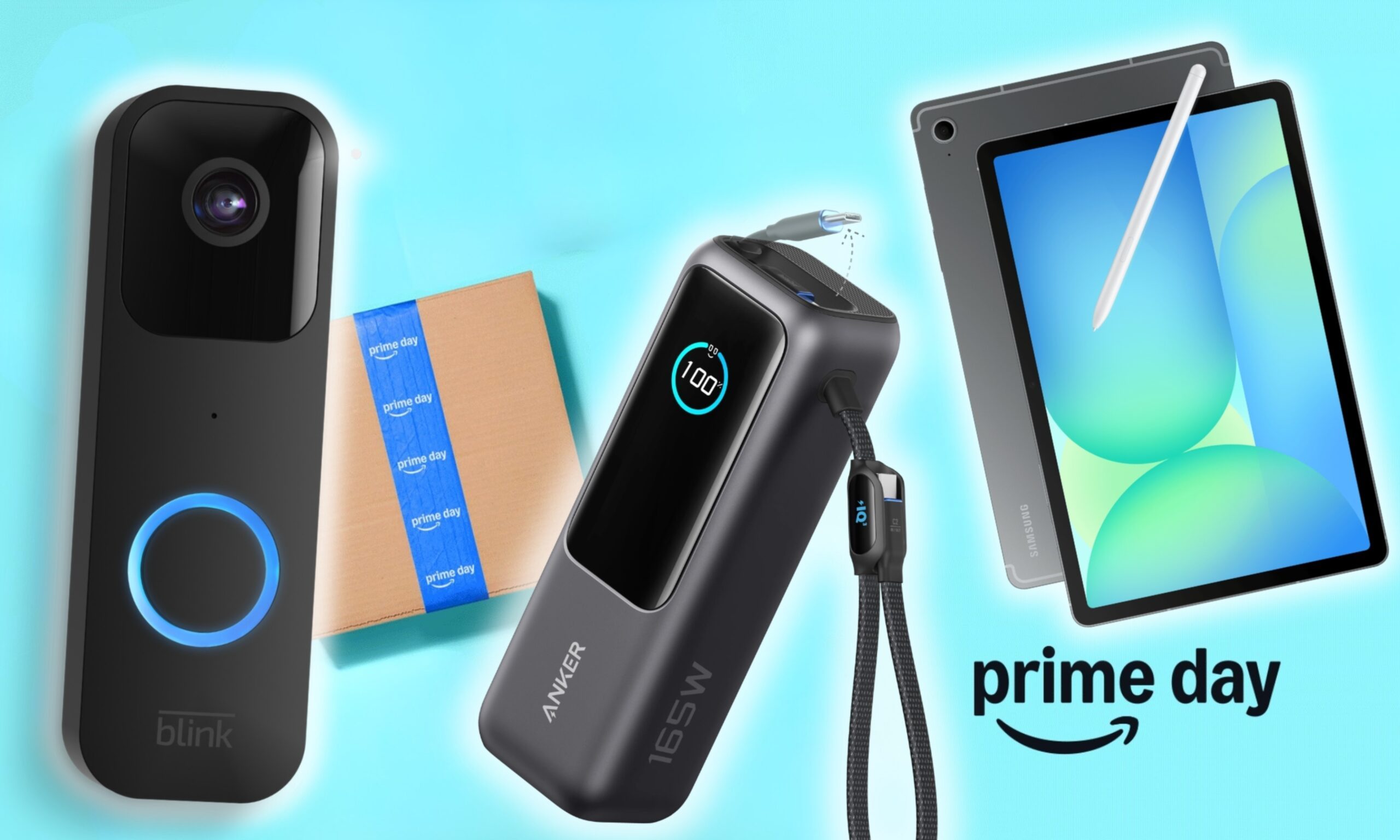
Amazon's Prime Day 2026 sale is in its final hours, giving you your last chance to get your hands on the best smart home, security, tablet, laptop, and accessory deals. I've pulled together the picks that are still live, still deeply discounted, and still worth buying before the sale ends tonight or until the stock lasts.

Best Amazon Prime Day deals on smart home devices

Read more
Apple’s biggest MacBook Pro redesign in years may skip the chip everyone expected
The next MacBook Pro may bring OLED and touch support without M6 Pro silicon
MacBook Pro on Table

Apple is expected to launch a refreshed MacBook Pro later this year, but according to Bloomberg, it won't come equipped with a next-gen processor. Instead, Apple is going to equip the highly anticipated device with Pro and Max variants of the current-gen M5 silicon.

It was widely speculated that when the redesigned MacBook with an OLED display and touch-screen capability debuts, it will also mark the arrival of the M6 series processors. Well, it appears that Apple has changed its silicon strategy pretty significantly.

Read more