  1. Home
  2. Cars
  3. Business
  4. News

Lyft turned down a purchase offer from General Motors

Add as a preferred source on Google

Although Lyft is looking for money to compete with Uber, the ridesharing company turned down an offer to be purchased by General Motors, according to Tech Insider, citing a report by The Information (subscription required).

General Motors and Lyft are already working together. Earlier this year GM bought 9 percent of Lyft for $500 million. The two companies are currently testing self-driving technology, and are using a fleet of specially equipped Chevy Bolt EVs in San Francisco, California, and Scottsdale, Arizona to further develop the technology. The plan is to introduce a fleet of self-driving Lyft rideshare cars that don’t need drivers.

Recommended Videos

According to The Information, General Motors initially approached Lyft about buying the company. Lyft checked with other potential buyers but then turned GM down. Apparently, Lyft now plans to seek an additional funding round to further its fight with Uber for U.S. market share.

Uber recently merged with rideshare company Didi in China. According to Tech Insider, this enabled Uber to focus more on market dominance in the U.S. Although Lyft’s market share has been growing in larger cities, Uber still rules the industry.

Strategically, General Motors appears most interested in building a self-driving vehicle rideshare network with Lyft. Like Uber, Lyft has stated that its plan for the future includes fleets of driverless cars, at least within cities.

The two companies have not set a time for their joint autonomous car testing development program to actually put cars on the road. Rumors that the first cars would be launched in January 2019, based on a IEEE report, were squashed when the report was retracted. The first phase would likely still have drivers behind the wheel. Eventually, however, General Motors would be able to leverage its experience and the ongoing network to expand broadly, with GM building the electric, self-driving cars and Lyft overseeing the ride-hail network.

So now it looks as if GM and Lyft will continue their partnership, with General Motors possibly increasing its investment in the company — but Lyft is not selling to the General.

Bruce Brown
Bruce Brown Contributing Editor   As a Contributing Editor to the Auto teams at Digital Trends and TheManual.com, Bruce…
Tesla launches the six-seat Model Y Long Wheelbase in the US
The stretched electric SUV brings more space, more comfort, and up to 325 miles of range.
Tesla Model Y Long Wheelbase Featured

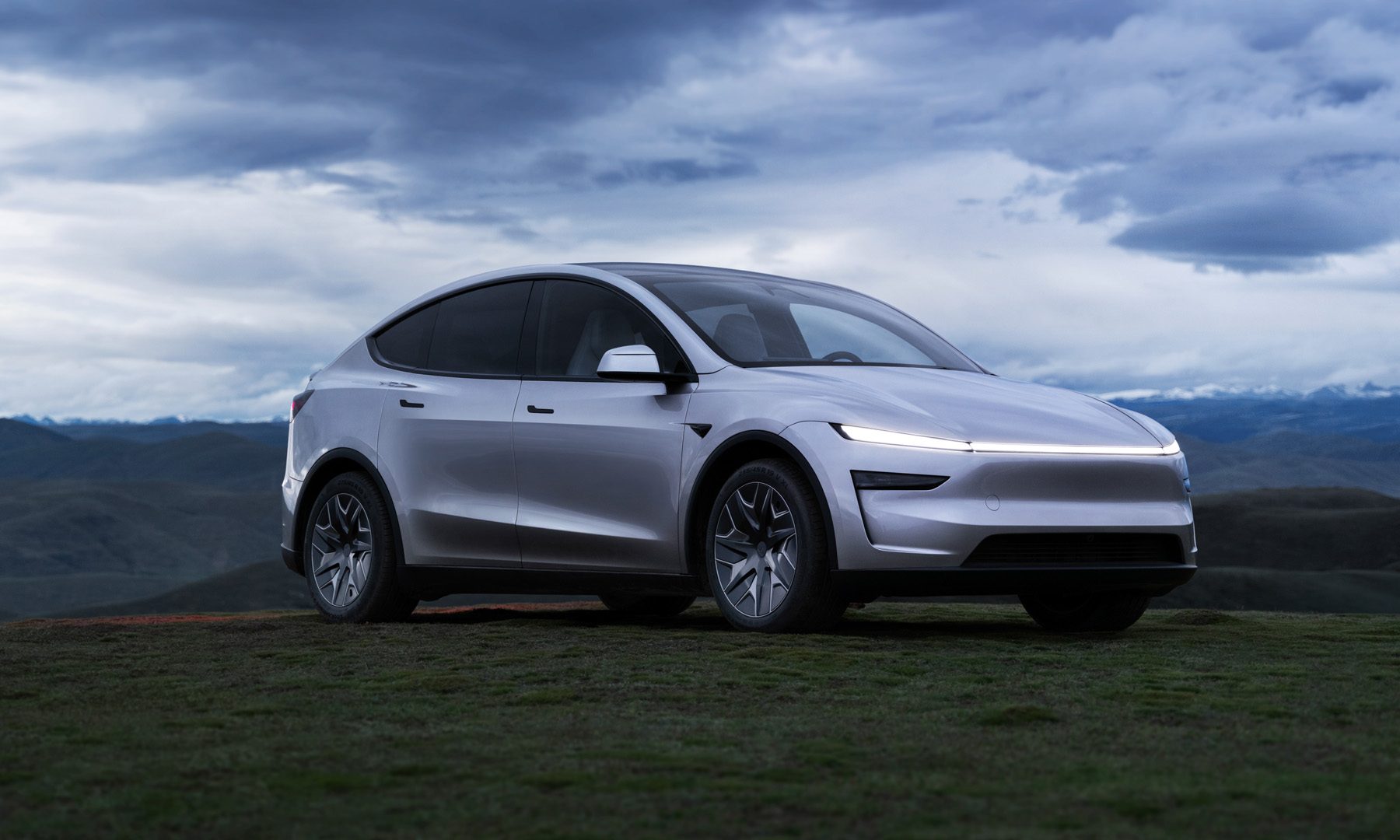
Tesla is giving the Model Y a little more breathing room. The company has officially launched the Model Y Long Wheelbase in the United States and Puerto Rico, introducing a stretched version of its best-selling electric SUV with a three-row, six-seat layout that's designed to make family road trips a lot more comfortable.

A bigger Model Y with a focus on comfort

Read more
A stolen Kia reveals the hidden limits of connected car technology
Kia can see where your stolen car is. GDPR means it won't share that in real time. That is the entire problem.
Kia EV3 design

If you’re buying a car with connected car technology, thinking it would help you to recover it in the event of theft, you might want to recalibrate your expectations. 

A recent incident in the UK, in which a car owner had three tracking devices installed in his car and still couldn’t recover it, led the carmaker to state that connected-car technology isn’t a “certified security vehicle tracker” (via the BBC).

Read more
Cambrige experts find utterly simple fix for longer lasting EV batteries. Just put some pressure on it.
Scientists found a way to make EV batteries last longer without reinventing the battery
EV Charging

EV battery breakthroughs typically involve new chemistry, exotic materials, or faster charging/higher capacity. But a new study reveals that you can skip all the fancy stuff and go with a very simple solution, Researchers from the University of Cambridge found that putting the battery under the right amount of pressure actually helps.

The study was about how physical pressure affects lithium-ion battery life, which found that keeping cells under constant pressure could double their lifespan. The work was published in Nature Energy, and the team says the improvement came without changing the active materials, electrolyte, or basic battery chemistry.

Read more