1. Home
  2. Computing
  3. News

A serious Linux privilege-escalation bug has been in the wild for nine years

Add as a preferred source on Google

There’s a Linux vulnerability in the wild that’s apparently been residing in just about every Linux version for the last nine years, and Linux users will want to install a patch as soon as possible.

The exploit is titled CVE-2016-5195, and it’s a privilege-escalation bug as opposed to a code-execution vulnerability, as Ars Technica reports. That makes it theoretically less serious, but nevertheless, researchers aren’t taking it lightly. In part, it’s considered a serious threat because it resides in a Linux kernel section that’s used by almost all Linux distributions. And the bug is apparently being actively used by malicious parties in the real world.

Recommended Videos

According to Dan Rosenberg, senior researcher at Azimuth Security, “It’s probably the most serious Linux local privilege escalation ever. The nature of the vulnerability lends itself to extremely reliable exploitation. This vulnerability has been present for nine years, which is an extremely long period of time.” As of right now, Linux distributions are in various stages of receiving patches, after an official patch was developed by the official Linux kernel maintainers.

The exploit in question is one that can allow an attacker to gain greater levels of control over a targeted machine. For example, a user with otherwise limited access to a web-hosting provider’s server can use the exploit to gain deeper shell access, and then leverage that access to attack other users of the server or even server admins. Privilege-escalation vulnerabilities can also be combined with other exploits, such as SQL injection bugs, to run malicious code that they would normally be unable to execute.

Linux developer Phil Oester was the first to discover the bug, as indicated on a site that provides more information on the exploit. For now, you’ll want to check in with the maintainers of your particular Linux distribution and see if a patch is available. If it is, then you’ll want to apply it immediately to avoid seeing your Linux system suffer an attack.

Mark Coppock
Former Computing Writer
Mark Coppock is a Freelance Writer at Digital Trends covering primarily laptop and other computing technologies. He has…
I found a free Mac diagnostic app that tells you what Apple’s tools don’t
It can check your Mac’s storage, memory, battery, and network
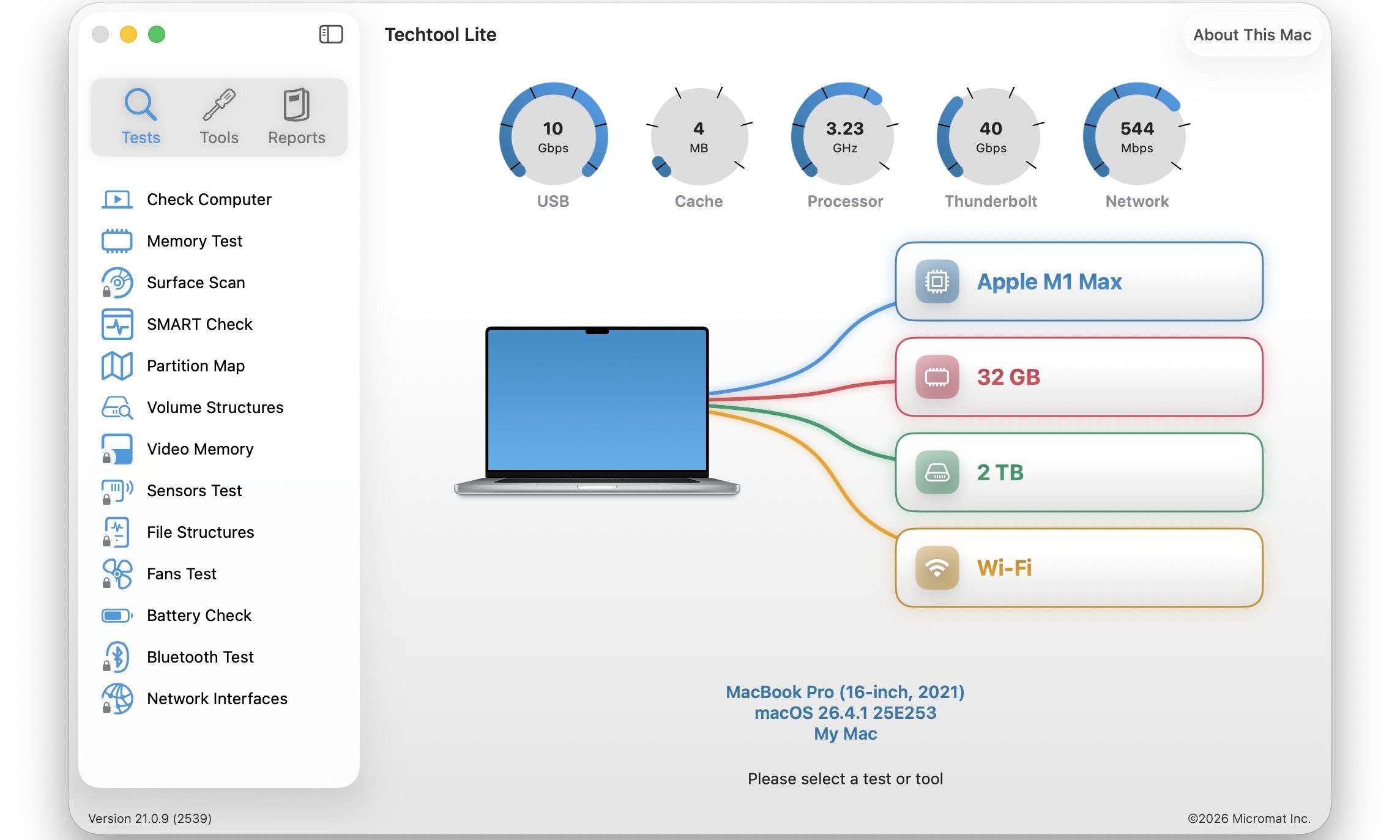
Techtool Lite UI screenshot

Macs have a strong reputation for being smooth and reliable, and Apple’s tight control over hardware and software is a big reason for that. Use one long enough, however, and you may still run into slowdowns, freezes, strange behavior, or that familiar feeling that something is simply off.

Apple’s own tools can help, but only to a point. Disk Utility is useful for storage-related checks, but it does not give you a wider picture of your Mac’s overall health. I recently came across Techtool Lite, a free diagnostic and maintenance app from Micromat that looks at more than just your drive.

Read more
Claude redefined my bond with Macs. I am building my own apps and it’s a bliss.
I talk to Claude. It builds me apps. It's as simple as that!
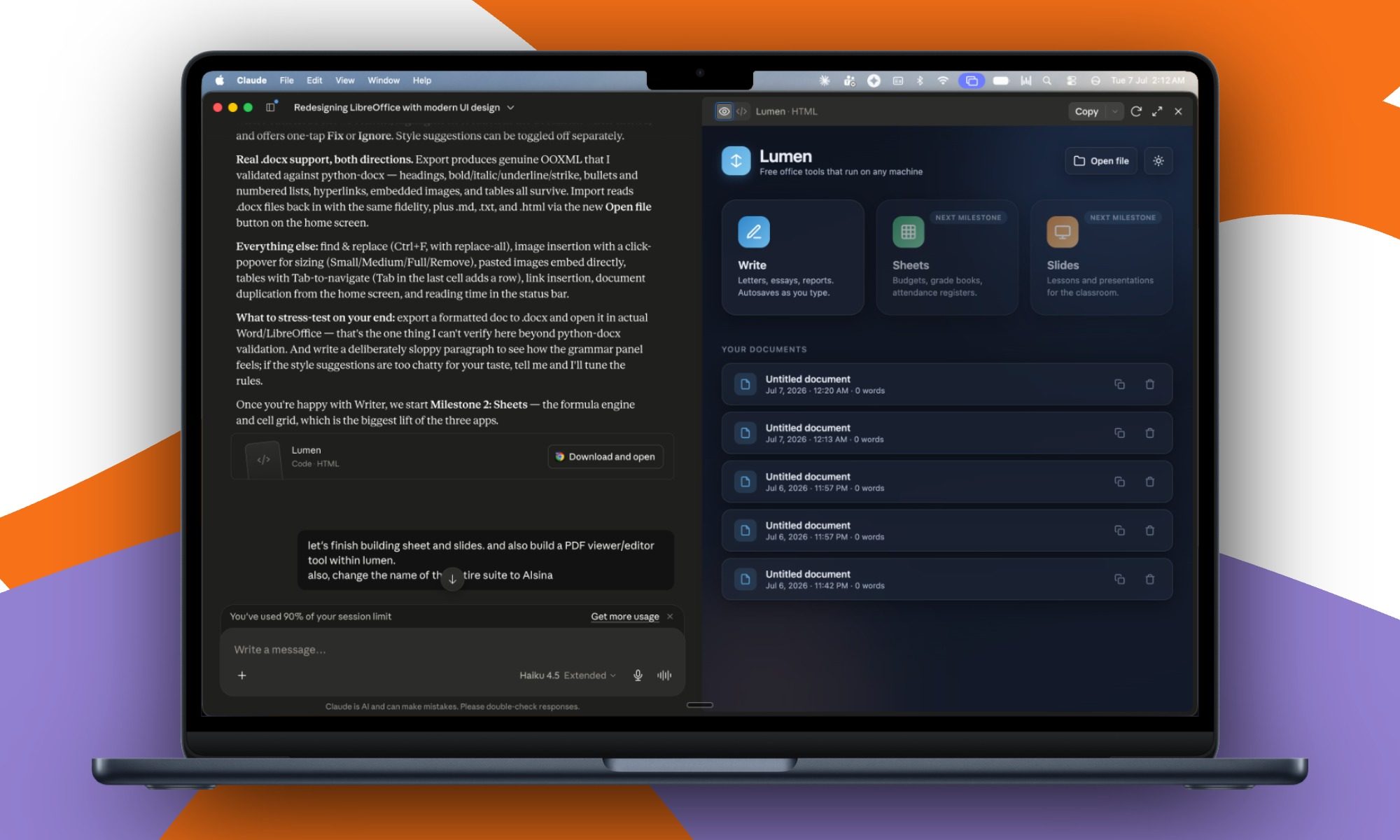
Claude AI on Mac.

A few days ago, one of my colleagues asked me a favor. They wanted a few iOS and macOS screenshots turned into a mockup image where the UI is rendered on an iPhone and a MacBook. The problem? It was 3 am PST, which meant asking one of my design team colleagues was out of the question. 

Now, there are plenty of online tools that will do it, but you either have to pay for a subscription (as in Canva), or sign up to buy usage credits after a few free trials. Moreover, these editors limit you to a handful of design presets. I turned to Anthropic’s Claude, and within half an hour, I had a screenshot-to-mockup editor built for the entire team to use. Take a look:

Read more
ASUS Zenbook Duo UX8407AA review: Two screens finally earned their place in my bag
Two machines are definitely better than one, but on the same laptop? Asus nailed it, but you must be willing to pay for the convenience.
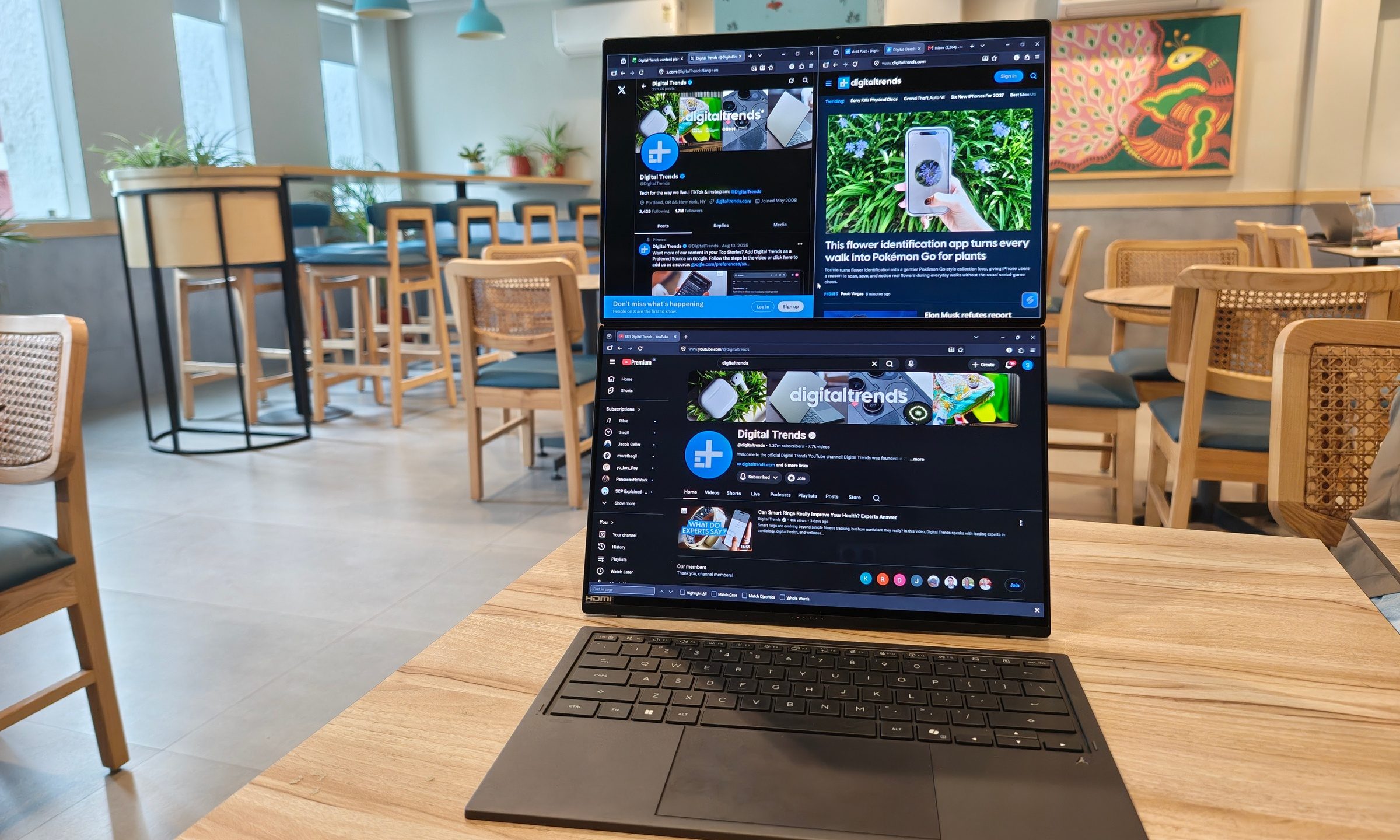
ASUS Zenbook Duo has two displays

See at Amazon

Two displays on a laptop once sounded like an elaborate solution waiting for the right problem. ASUS has spent the past few generations steadily proving otherwise. After using the latest Zenbook Duo (2026) UX8407AA for over two weeks, I started arranging my daily routine around that second display. 

Read more