1. Home
  2. Phones
  3. Mobile
  4. News

T-Mobile raises high-speed data throttling cap to 30GB for its unlimited plan

Add as a preferred source on Google

T-Mobile has quietly updated the terms and conditions of its One unlimited plan. On the carrier’s website, it stipulates a 30GB soft data cap, at which point all usage in excess may be slowed. The previous cap was 28GB, indicating that the company has recently increased it.

All of the major carriers’ advertised “unlimited” data plans aren’t truly unlimited — the caps implemented usually fall somewhere between 20 and 30GB. Verizon and AT&T begin throttling customers at 22GB, while Sprint starts at 23GB, and selectively slows certain types of content differently. Many wireless providers argue that enforcing such limits is necessary to deter users from abusing the plans, or using them as a full-stop replacement for residential internet, which in most cases is slower than what customers can achieve via LTE and a smartphone.

Recommended Videos

T-Mobile said subscribers that do go over the 30GB soft cap will only experience throttling and speed differences during rare congestion periods and “places of high demand.”

Unlimited data has undergone something of a resurgence since Verizon announced it was reintroducing its plan in February, forcing AT&T to follow suit and T-Mobile to improve its pre-existing One plan. Initially, One reduced the quality of all streaming video to 480p and restricted tethered data to 3G speed. Last month, the carrier did away with these caveats to stay competitive.

With the latest news, T-Mobile has driven up its high-speed data advantage to 8GB more than what is being offered by Verizon and AT&T, the two mobile giants the carrier is desperately trying to chase down. Its tactics may be working, too, if recent data is any indication. T-Mobile reported it added 1.2 million postpaid customers during the fourth quarter of last year. Verizon, comparatively, fell short of expectations, pulling in less than half that amount, at 591,000 subscribers, according to market research firm FactSet Street Account by way of Reuters.

Although the vast majority will likely never use anywhere near 30GB in a month, T-Mobile’s changes are a show of goodwill toward its customers that may make all the difference in the cutthroat competitive arena that is the wireless industry. And if these past few weeks have taught us anything, you can expect the company’s competitors to take notice.

Adam Ismail
Former Contributor
Adam’s obsession with tech began at a young age, with a Sega Dreamcast – and he’s been hooked ever since. Previously…
Apple’s next big iPhone display experiment could be its biggest yet
The company may be testing a 6.96-inch panel for a future flagship, although one leaker’s post is currently the only source for the exact measurement
iPhone 17 Pro Max

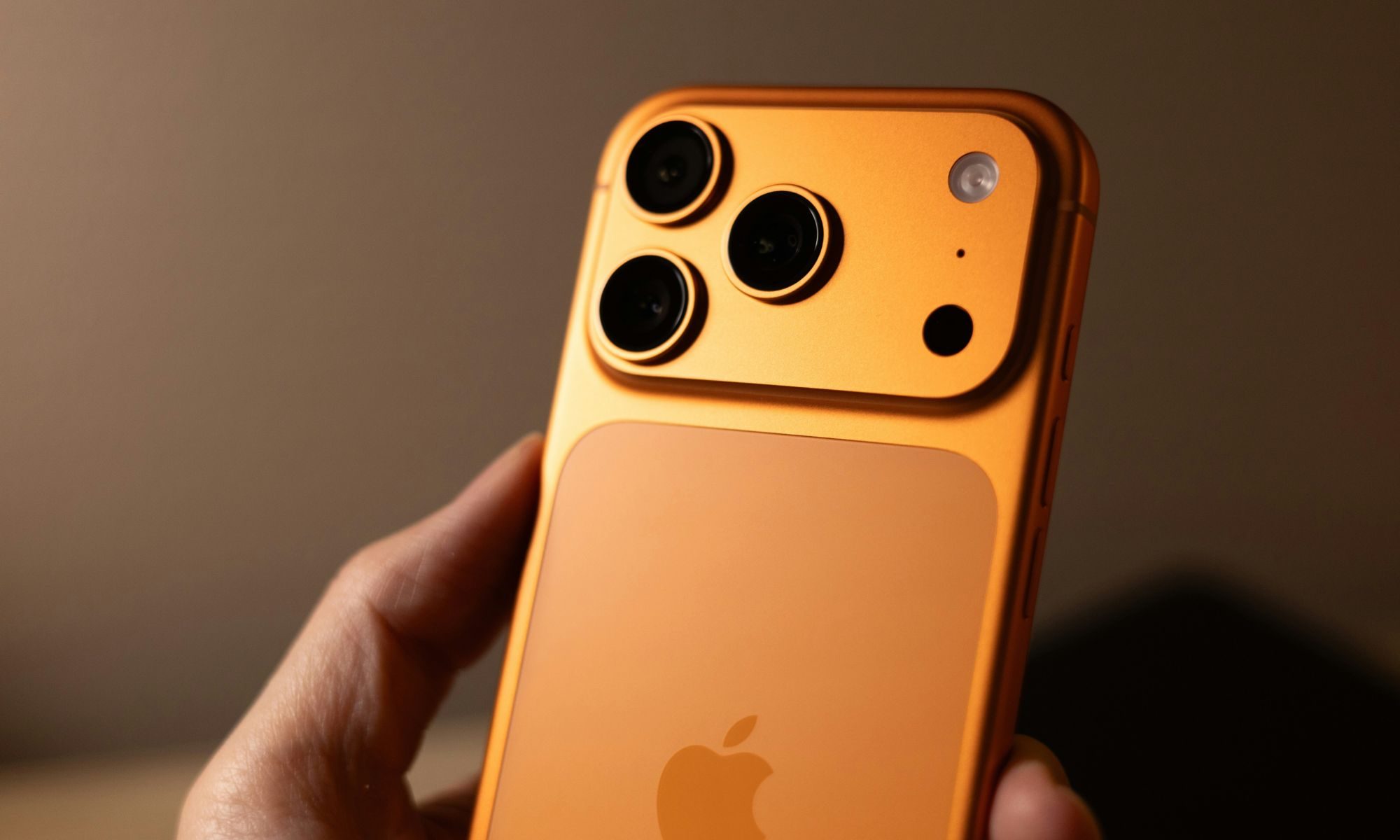
Apple may be testing a 6.96-inch display for a future iPhone, bringing its largest handset within a whisker of the 7-inch mark.

Leaker Digital Chat Station claims the experimental panel retains the same aspect ratio as Apple’s current Pro Max display. The post mentions the iPhone 20 Pro Max as a possible destination, but doesn’t connect the screen to a finished device. Apple could be exploring the size without putting it anywhere near a production line.

Read more
Vibecoded apps are flooding Apple’s App Store, and users are getting sick of them
App Store submissions have doubled this year as AI tools make it easier than ever to build an app, but downloads haven't kept pace, and for good reason.
Apple App Store homepage on an iPhone

Apple's App Store is in the middle of its steepest submission surge in years. Developers submitted nearly 600,000 new apps last year, marking a 30 percent jump over the previous year. That number has already doubled to roughly 560,000 new apps in just the first six months of this year, according to estimates from analytics firm Sensor Tower cited by the New York Times. The reason behind the spike is vibecoding, which allows people with no prior development experience to create new apps using AI tools.

A familiar boom, with a twist

Read more
Google Photos adds a quick toggle between AI and classic search
Classic search is finally easier to reach for people who enabled Ask Photos
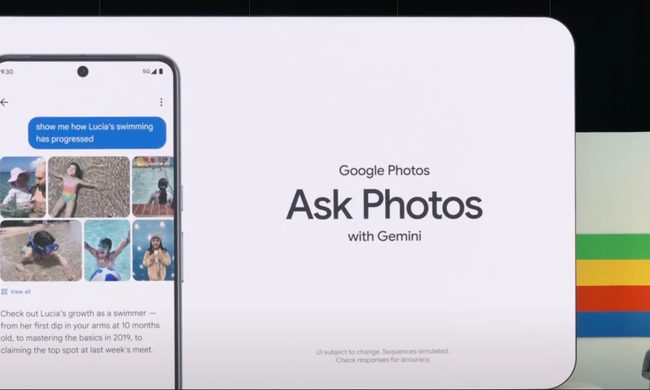
Google's Ask Photos debut.

Google Photos is giving users an easier way to leave its Gemini-powered search when a simple keyword would do. A new toggle now sits at the top of the results page, letting users switch between Ask Photos and classic search without digging through settings.

The change appears to address feedback from people who opted into Ask Photos but wanted a quicker way to return to classic search when Gemini was slower or less useful for a straightforward query.

Read more