1. Home
  2. Phones
  3. Mobile
  4. News

Supreme Court of India rules to shut down cell tower after man’s cancer claim

Add as a preferred source on Google

Can radio signals from a cell tower cause cancer? The Supreme Court of India seems to think so. In a unique case, the court ruled to shut down a cell tower after a man alleged that radiation from the tower is the cause of his cancer.

The man, Harish Chand Tiwari, approached India’s apex court — the country’s largest court — about the tower in 2016. The tower was owned and operated by Indian telecom operator Bharat Sanchar Nigam Limited (BSNL). According to Tiwari, the tower was illegally installed on his friend’s roof — which happened to be less than 50 meters away from his house. Tiwari says he was exposed to “radiation” for 14 years — which he suggests is what afflicted him with Hodgkin’s Lymphoma.

Recommended Videos

“We direct that the particular mobile tower shall be deactivated by BSNL within seven days from today,” said Justices Ranjan Gogoi and Navin Sinha, according to the Times of India. This tower will be the first to close based on an individual petition alleging harmful radiation.

It’s important to note a few things. Despite numerous scientific studies, cell towers have yet to be proven to be the cause of any kind of cancer or other illness. We grilled a variety of experts recently on whether cell phones cause brain cancer, and found valid facts and opinions on both sides. Still, many refute the studies, and citizens in India have even attempted to block the installation of cell towers in their neighborhood, Mashable reported. India’s IT and Communications Minister Ravi Shankar Prasad even had to address the concerns himself.

“Mobile towers are not harmful! Doesn’t America have mobile towers? Doesn’t Europe have mobile towers? There [sic] tele-density is much higher than in India. This planned campaign against [installation of] mobile towers is totally uncalled for,” Prasad said in a statement.

This case does set a precedent, at least in India and it will be interesting to see if more people follow up with similar claims.

Christian de Looper
Christian de Looper is a long-time freelance writer who has covered every facet of the consumer tech and electric vehicle…
The Minimal Phone 2 looks dramatically better than the original, and I’m genuinely here for it
Plastic is out, metal is in, and Minimal Phone 2's renders suggest the digital detox phone concept finally has the hardware to match its ambition.
Electronics, Mobile Phone, Phone

I've been following the Minimal Phone since its initial crowdfunding days. The first iteration had the right idea trapped inside the wrong body, I’d say. Plastic build, no 5G, an underwhelming camera, and e-paper ghosting that frustrated early adopters; all these issues kept the phone from reaching a wider audience. 

Now, founder Armen Youssefian has posted what appears to be a 360-degree render of the Minimal Phone 2 on X, and from what I can see, the team has done its homework.

Read more
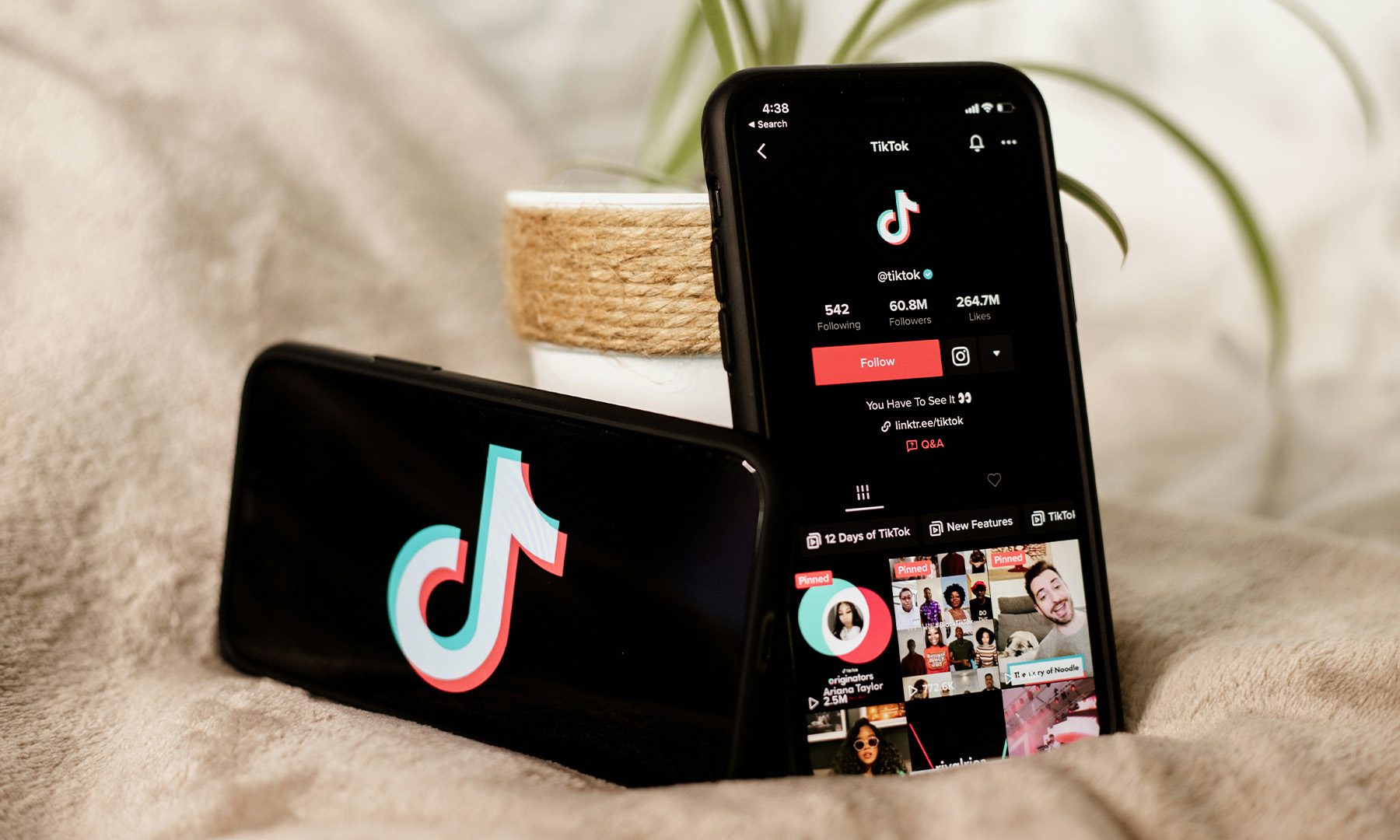
The EU says TikTok still isn’t doing enough to protect kids
Regulators say the platform's privacy settings don't go far enough under the Digital Services Act.
TikTok Creative Featured

The European Commission has accused TikTok of falling short on protecting minors, saying the platform's current account settings don't meet the child safety standards required under the Digital Services Act (DSA). The findings are preliminary, but if upheld, TikTok could face a fine of up to 6% of its global annual revenue.

Why the EU thinks TikTok isn't doing enough

Read more
Qualcomm is set to ratchet up chip prices in September, and your next gadget upgrade could bear the brunt
The price hike could touch every Snapdragon-powered device category.
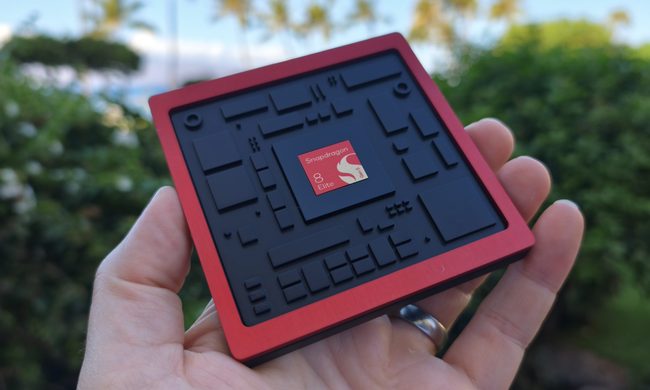
The new Qualcomm Snadragon 8 Elite Gen 5

I want you to sit with this for a second. Qualcomm, the company whose Snapdragon chips sit inside your Android phone and tablet, your Windows laptop, your Meta smart glasses, your Galaxy Watch, and your wireless earbuds, reportedly sent a letter to every major customer telling them prices are going up by double digits. 

The price hike will be in effect from September 1, 2026, a recent Bloomberg report claims. Essentially, all the companies placing their chip orders after that will pay a higher price. 

Read more