1. Home
  2. Computing
  3. News

FCC votes to eliminate price caps for business broadband customers

Add as a preferred source on Google

Small businesses may end up paying more for their broadband internet service thanks to a ruling made yesterday, April 20, by the Federal Communications Commission. The FCC voted to introduce a new standard that can classify local markets as being competitive, even if only one provider is available.

Home internet is not subject to price caps, but the FCC does put restrictions on the cost of broadband access provided to businesses by the likes of AT&T and Verizon, according to a report from Ars Technica. These connections are used for facilitating the use of credit card readers and ATMs, maintaining links with other branches, and for all the more common forms of internet usage.

Recommended Videos

Yesterday’s decision decrees that price caps will be nullified if 50 percent of potential customers in a given county are within half a mile of a location that’s served by a competitive provider. A county would also be classified as competitive if 75 percent of census blocks are served by a cable provider.

The FCC argues that companies will be more inclined to extend their coverage if the price caps are not in effect. Price caps that are set too low could have the undesirable effect of dissuading providers from making upgrades to their infrastructure.

However, the decision could mean that various businesses end up paying more for the same broadband service. Small businesses, schools, and hospitals could all end up feeling the effects of the FCC’s vote to reduce the influence that price caps hold.

In 2016, former FCC chairman Tom Wheeler submitted a proposal to reduce price caps on broadband service for business by 11 percent over the course of three years, citing efficiency improvements that had been implemented over the preceding decade. However, this proposal was rejected by the current chairman Ajit Pai, and replaced by the plan that just went into effect.

Brad Jones
Brad is an English-born writer currently splitting his time between Edinburgh and Pennsylvania. You can find him on Twitter…
Shopping for back-to-school? These are the budget laptops I’d actually recommend
From a $359 Chromebook to the cheapest way into macOS, these are the budget picks worth your money.
Computer, Electronics, Laptop

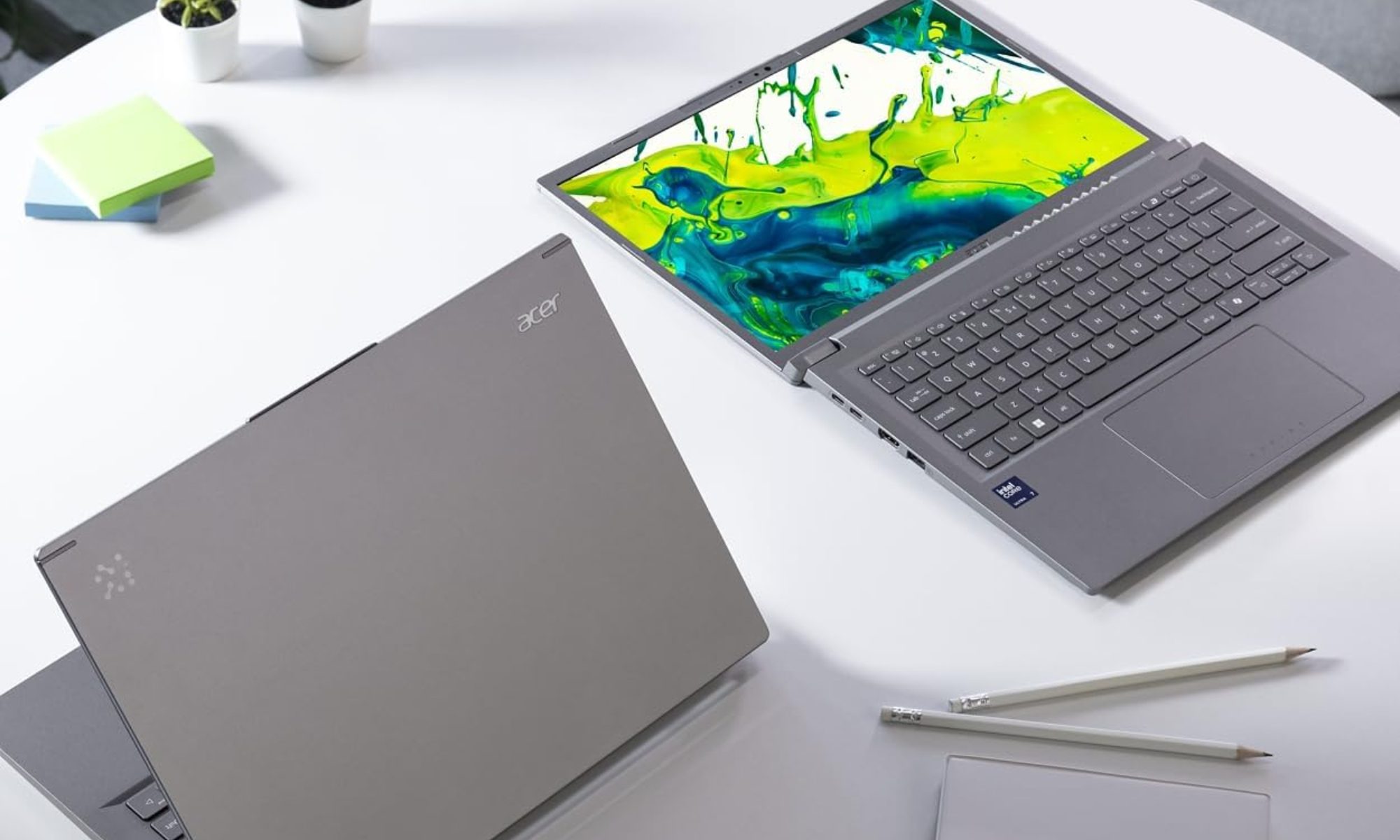
The back-to-school season often turns into a laptop, especially the budget ones that aren't too heavy on your wallet. Due to the ongoing memory crisis, most manufacturers have already bumped up their laptop prices, including Apple. However, that doesn't mean that I won't help you get a new machine. So, for this one, I spent time digging through spec sheets, customer ratings, and price tags, finding devices that don't just look cheap in an Amazon listing, but actually hold up. 

From a flexible touchscreen Chromebook to the least expensive way into macOS, these six laptops balance price and performance well. I'd hand any one of them to a student heading back to campus this fall, depending on what they need and what their priorities are. 

Read more
Asus’ latest Zenbook puts a seriously bright OLED screen inside an impossibly slim body
The Zenbook 14 Air is only 11mm thick but still packs a 77Wh battery
Computer, Electronics, Laptop

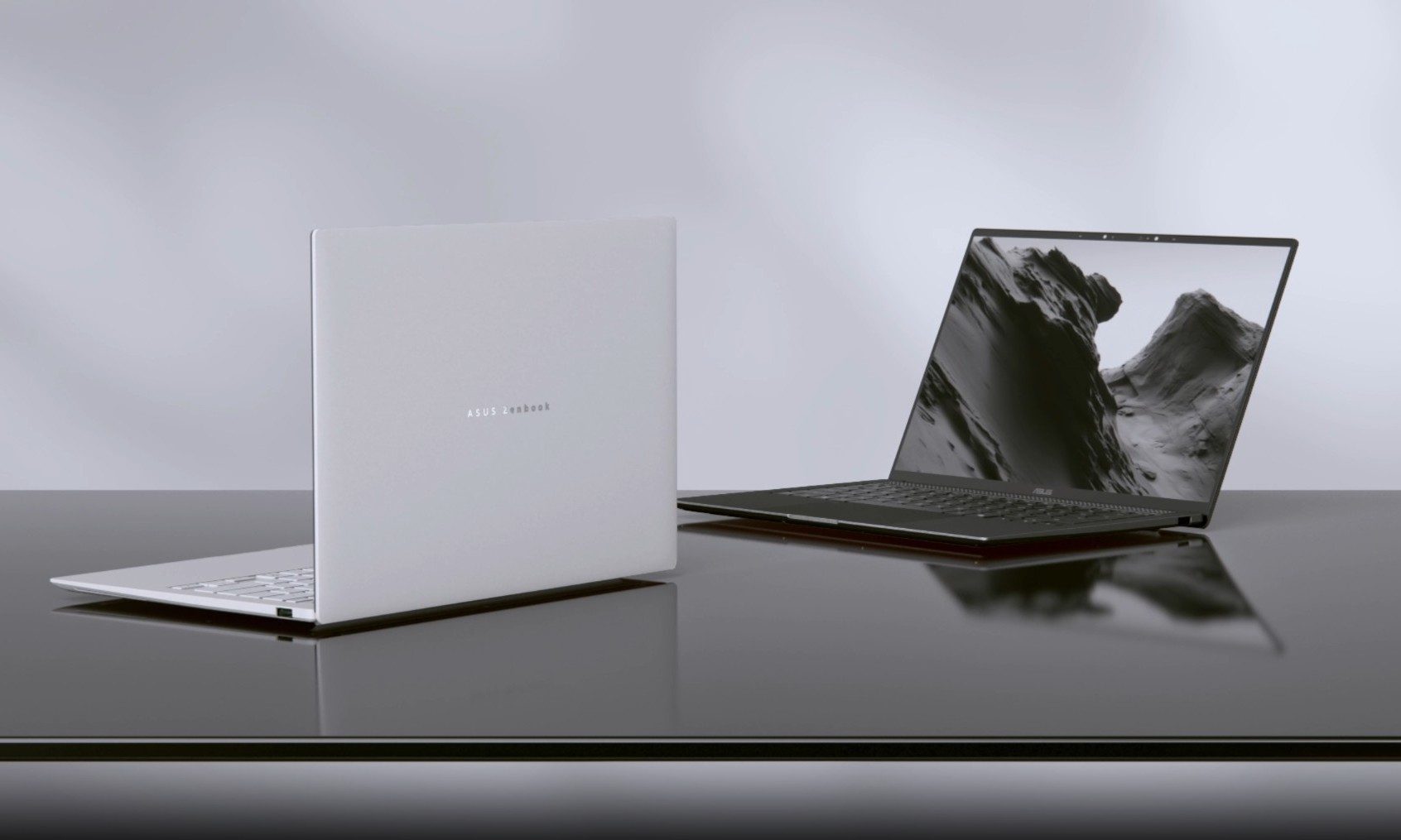
Asus has introduced a new AMD-powered version of the Zenbook 14 Air 2026, combining a bright OLED display and a large battery inside an 11mm-thick chassis. It weighs 1.19kg, keeping it firmly in ultraportable territory despite the 77Wh battery inside.

The Zenbook 14 Air 2026 itself is not entirely new. Asus launched an Intel configuration powered by the Core Ultra 9 386H in China back in January. The latest version switches to AMD’s Ryzen AI 7 H 445 and is priced at CNY 9,999, or around $1,477. (via Notebookcheck)

Read more
Before you blow your student budget, here’s the MacBook that actually suits your major
Confused by the MacBook lineup? I sorted it out so students don't have to
Computer, Electronics, Laptop

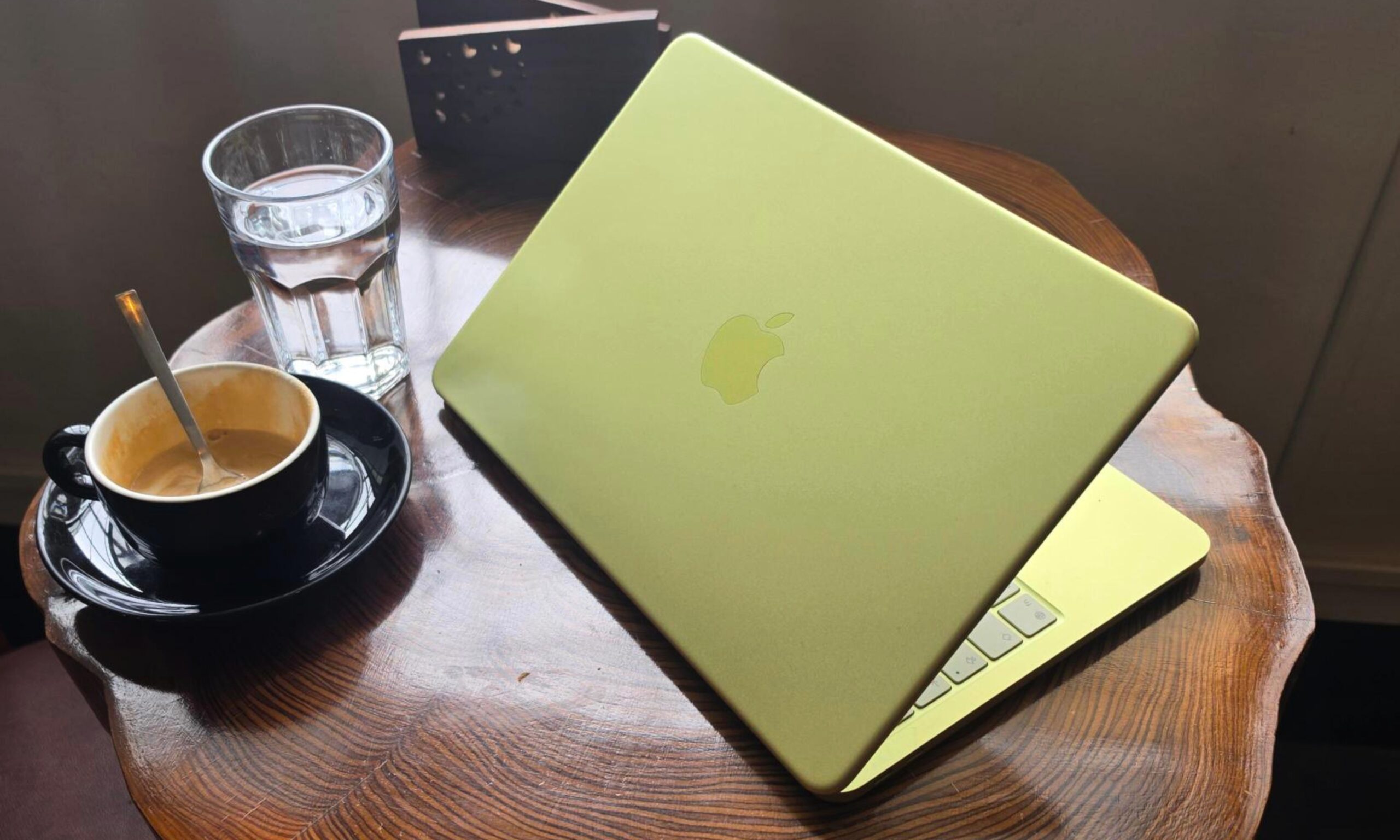
Apple’s MacBook lineup has become much broader in 2026. The MacBook Neo brings the entry price down considerably, the M5 MacBook Air remains the obvious all-rounder, and the MacBook Pro covers students whose coursework can push a laptop to its limits.

But with a wide range, choosing one becomes harder. Spending more can bring a better display, faster storage, additional ports, and considerably greater performance. However, plenty of students will never take advantage of those upgrades. So, I have narrowed the current lineup down to three models, each aimed at a distinct kind of buyer.

Read more