1. Home
  2. Phones
  3. Mobile
  4. News

Google Photos’ latest update lets you hide your most sensitive shots

Add as a preferred source on Google

You’d think it would be easy to hide incriminating photos on your smartphone — it’s 2017 after all, and the internet is a thing that exists. Until recently, however, keeping your most private images shielded from the public was actually quite difficult.

Among the available options, you have Samsung with its robust Secure Folder app, which lets you lock everything from pictures to emails, documents, and even apps behind password protection. Then there’s Apple’s somewhat clunky system of letting you “hide” content from your general Photos tab, while leaving it perfectly visible in Albums. Better yet, Google had no such feature at all — until now.

Recommended Videos

At long last, the latest version of Google’s Android photos app makes it extremely easy to hide images, with just three taps. Open or long-press a photo, tap the menu button at the top right, and select “Archive.” Those pictures will be concealed in a separate folder accessible from the hamburger menu, though much like Apple’s method, they will still appear in Albums view and search results.

The new feature was first revealed by 9to5Google, and is now live for devices with version 2.15 of the app installed. It likely isn’t the lock-and-key solution some users might want or need, but it’s better than nothing. Besides, there are many third-party apps on both iOS and Android made specifically for keeping pictures private that do a better job of it. Archiving is also useful for those who would simply prefer to de-clutter their photo library, or have many multiples of the same shots.

May has been a busy month for Google Photos, and this is just one of several new features to arrive on the app in recent weeks. For Mother’s Day, Photos gained the ability to make personalized videos using facial recognition to identify your family members. Not long after, at Google I/O, the company debuted enhancements designed to make sharing easier, and unveiled the ability to make printed books. And just yesterday, Google added Family Groups support, allowing users to instantly send photos to as many as five of their loved ones with a single tap.

Adam Ismail
Former Contributor
Adam’s obsession with tech began at a young age, with a Sega Dreamcast – and he’s been hooked ever since. Previously…
The Minimal Phone 2 looks dramatically better than the original, and I’m genuinely here for it
Plastic is out, metal is in, and Minimal Phone 2's renders suggest the digital detox phone concept finally has the hardware to match its ambition.
Electronics, Mobile Phone, Phone

I've been following the Minimal Phone since its initial crowdfunding days. The first iteration had the right idea trapped inside the wrong body, I’d say. Plastic build, no 5G, an underwhelming camera, and e-paper ghosting that frustrated early adopters; all these issues kept the phone from reaching a wider audience. 

Now, founder Armen Youssefian has posted what appears to be a 360-degree render of the Minimal Phone 2 on X, and from what I can see, the team has done its homework.

Read more
The EU says TikTok still isn’t doing enough to protect kids
Regulators say the platform's privacy settings don't go far enough under the Digital Services Act.
TikTok Creative Featured

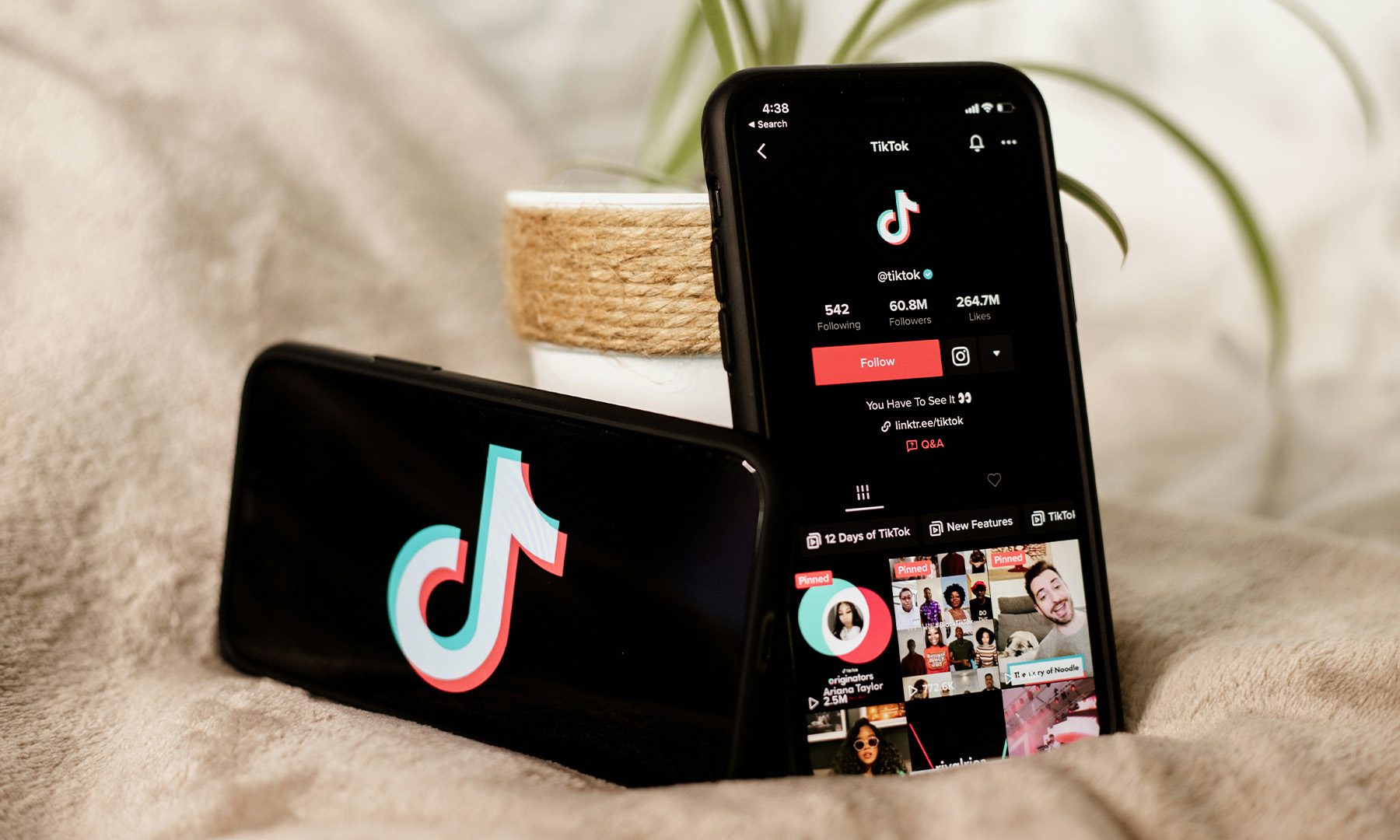
The European Commission has accused TikTok of falling short on protecting minors, saying the platform's current account settings don't meet the child safety standards required under the Digital Services Act (DSA). The findings are preliminary, but if upheld, TikTok could face a fine of up to 6% of its global annual revenue.

Why the EU thinks TikTok isn't doing enough

Read more
Qualcomm is set to ratchet up chip prices in September, and your next gadget upgrade could bear the brunt
The price hike could touch every Snapdragon-powered device category.
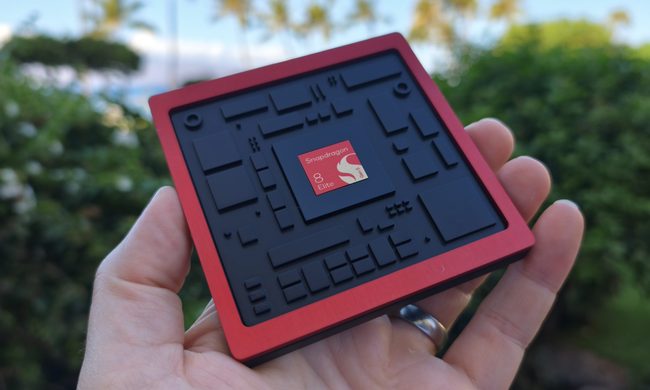
The new Qualcomm Snadragon 8 Elite Gen 5

I want you to sit with this for a second. Qualcomm, the company whose Snapdragon chips sit inside your Android phone and tablet, your Windows laptop, your Meta smart glasses, your Galaxy Watch, and your wireless earbuds, reportedly sent a letter to every major customer telling them prices are going up by double digits. 

The price hike will be in effect from September 1, 2026, a recent Bloomberg report claims. Essentially, all the companies placing their chip orders after that will pay a higher price. 

Read more