1. Home
  2. Phones
  3. Apple
  4. Mobile
  5. News

Apple patents millimeter wave case for power and data delivery

Add as a preferred source on Google

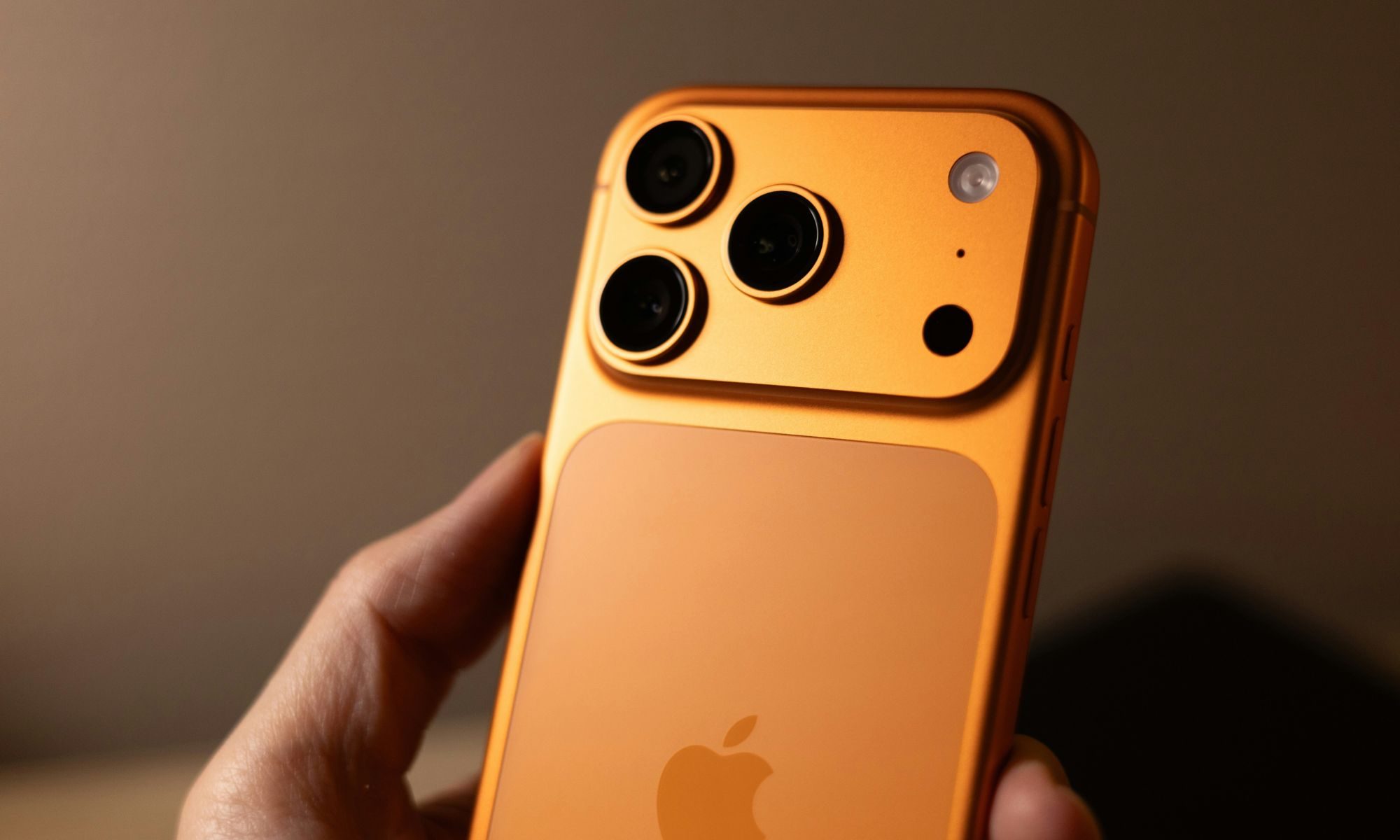
Millimeter waves are one of the next great technologies in mobile computing. While they’re commonly associated with faster data transfers — 5G, when it eventually releases, should rely on millimeter waves in part for greatly improved throughput and coverage — they’re also being considered for battery recharging. Apple recently patented the development of a case which plugs into an iPhone’s Lightning port and receives power via millimeter waves.

The related patent application was filed in the fourth quarter of 2015 and unearthed this week by Patently Apple, meaning the project has been in the works for quite a while. The transmitter, as it’s described, is designed to be versatile enough to handle a number of uses. In addition to power, the antennas will also be able to deliver data, and can adjust their direction in real time to direct signals to devices as efficiently as possible.

Recommended Videos

Apple notes that phones aren’t intended to be the lone use case for millimeter waves. Wearables, like the Apple Watch, as well as smart glasses, appliances, and home audio and video equipment could all benefit from the emerging technology. Think of it this way: right now, we can transmit and receive data with systems like LTE and Wi-Fi, but we have to use wired connections or inductive chargers to deliver power. Millimeter waves are multifaceted enough to handle both.

As always with patents, though, you won’t see this happen overnight. 5G wireless networks incorporating millimeter waves aren’t expected to debut until 2020 at the earliest. No consumer devices support the technology quite yet, and if you remember the early days of LTE, chances are it’s going to take some time before we reach a point where millimeter waves are not only commonplace, but reliable. However, a removable case could be an excellent way for Apple to test the technology before it feels confident enough to fully integrate it into its devices.

Adam Ismail
Former Contributor
Adam’s obsession with tech began at a young age, with a Sega Dreamcast – and he’s been hooked ever since. Previously…
Apple’s next big iPhone display experiment could be its biggest yet
The company may be testing a 6.96-inch panel for a future flagship, although one leaker’s post is currently the only source for the exact measurement
iPhone 17 Pro Max

Apple may be testing a 6.96-inch display for a future iPhone, bringing its largest handset within a whisker of the 7-inch mark.

Leaker Digital Chat Station claims the experimental panel retains the same aspect ratio as Apple’s current Pro Max display. The post mentions the iPhone 20 Pro Max as a possible destination, but doesn’t connect the screen to a finished device. Apple could be exploring the size without putting it anywhere near a production line.

Read more
Vibecoded apps are flooding Apple’s App Store, and users are getting sick of them
App Store submissions have doubled this year as AI tools make it easier than ever to build an app, but downloads haven't kept pace, and for good reason.
Apple App Store homepage on an iPhone

Apple's App Store is in the middle of its steepest submission surge in years. Developers submitted nearly 600,000 new apps last year, marking a 30 percent jump over the previous year. That number has already doubled to roughly 560,000 new apps in just the first six months of this year, according to estimates from analytics firm Sensor Tower cited by the New York Times. The reason behind the spike is vibecoding, which allows people with no prior development experience to create new apps using AI tools.

A familiar boom, with a twist

Read more
Google Photos adds a quick toggle between AI and classic search
Classic search is finally easier to reach for people who enabled Ask Photos
Google's Ask Photos debut.

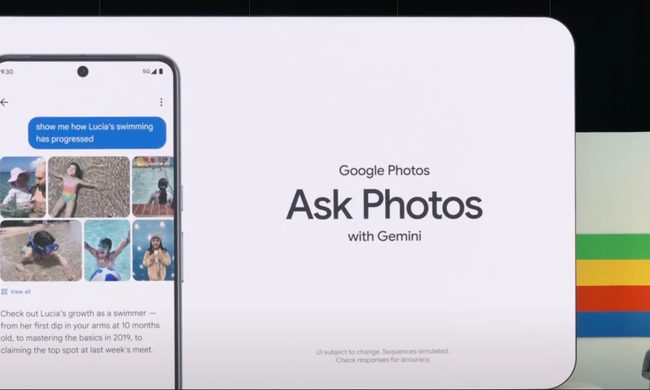
Google Photos is giving users an easier way to leave its Gemini-powered search when a simple keyword would do. A new toggle now sits at the top of the results page, letting users switch between Ask Photos and classic search without digging through settings.

The change appears to address feedback from people who opted into Ask Photos but wanted a quicker way to return to classic search when Gemini was slower or less useful for a straightforward query.

Read more