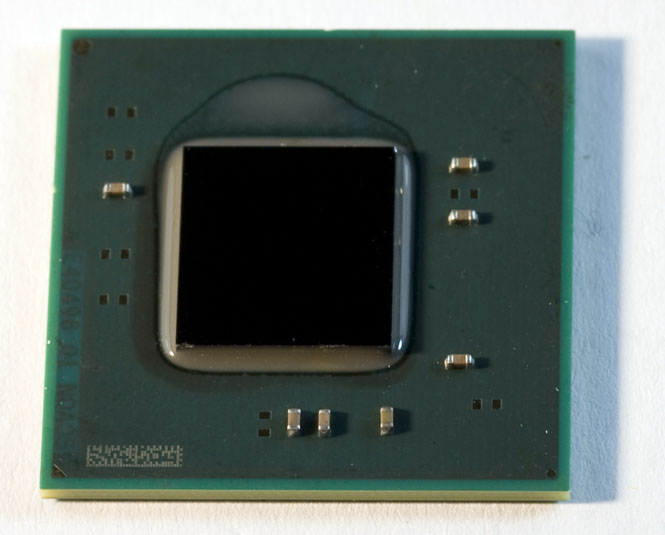
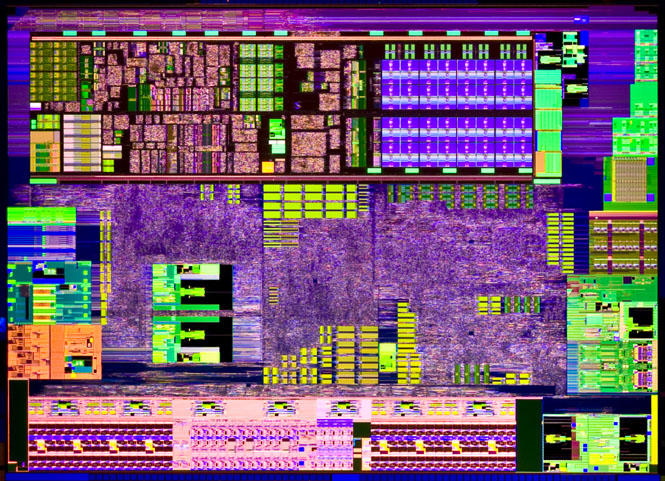
Chipmaking giant Intel has taken the wraps off three new Atom processors, aiming to push so-called netbook and net-top computing to new heights—all while using even less power. The new CPUs, codenamed “Pinetrail” by Intel, integrate memory controllers and graphics processors right into the CPU for improved performance, plus the chips are some 60 percent smaller than their predecessors. The chips intended for netbooks use 20 percent less power than Intel’s earlier Atom chips, and the versions aimed at net-tops use 50 percent less power.
“The Intel Atom processor has fueled an entirely new category of computing over the last year and a half and we think the growth will continue for devices like netbooks and entry-level PCs built around basic computing and Internet usage models,” said intel PC Client Group corporate VP and general manager Mooly Eden, in a statement. We’re excited to be delivering the next-generation Atom platform and working across the industry as we head into a second phase of growth, powering innovative new system designs with better performance, smaller footprints and better battery life.”
The new chips include the Atom N450, which rolls in 512K of L2 cache and has a total power consumption fo 7 watts. The Atom D410 is aimed at desktop systems with 512K of L2 cache and 12 watts of power consumption, and the D510 is also aimed at desktops and ramps up to 1 MB of L2 cache and a 15 watts of power consumption. All three of the new chips run at 1.66 GHz, like previous Atom offerings. All the new Atom CPUs are build on Intel’s 45nm manufacturing process; the power consumption figures for the chips seem higher than previous Atom CPUs, but bear in mind they also include graphics and memory controllers, so the total power consumption foot print (and heat output) is considerably lower. Although the new CPUs probably won’t show dramatic performance improvements over previous generations, they will be a boon to netbook fans in terms of battery life.
The Pinetrail Atom CPU’s integration of graphics and memory controllers is another round of bad news for graphics developer Nvidia, which had been building its Ion platform as a high-performance drop-in replacement for graphics controllers on Intel’s earlier Atom processors. Since the new Atom CPUs all have graphics controllers baked into the chip itself, there’s no way for system manufacturers to buy graphics-free versions of the new Atom chips if they wanted to go with another graphics solution. This sort of product development strategy is the kind of thing that has the Federal Trade Commission suing Intel on antitrust grounds. That being said, Broadcom has already announced its Crystal HD technology is already validated for Intel’s latest Atom processors, enabling high-definition video playback, along with software support for Flash 10 and Windows Media Player 12.
Intel says the new Atom processors will be available to OEMs beginning in January, and more than 80 netbooks and other products based on the new Atom processors are already on the way from manufacturers like Dell, Asus, Lenovo, Acer, Toshiba, and others. Expect to see tons of products with the new generation of Atom processors on parade at CES in January.