  1. Home
  2. Computing
  3. Smart Home
  4. News

Yep, mining for cryptocurrency can now heat your home

Add as a preferred source on Google
qarnot cryptoheater
Image used with permission by copyright holder

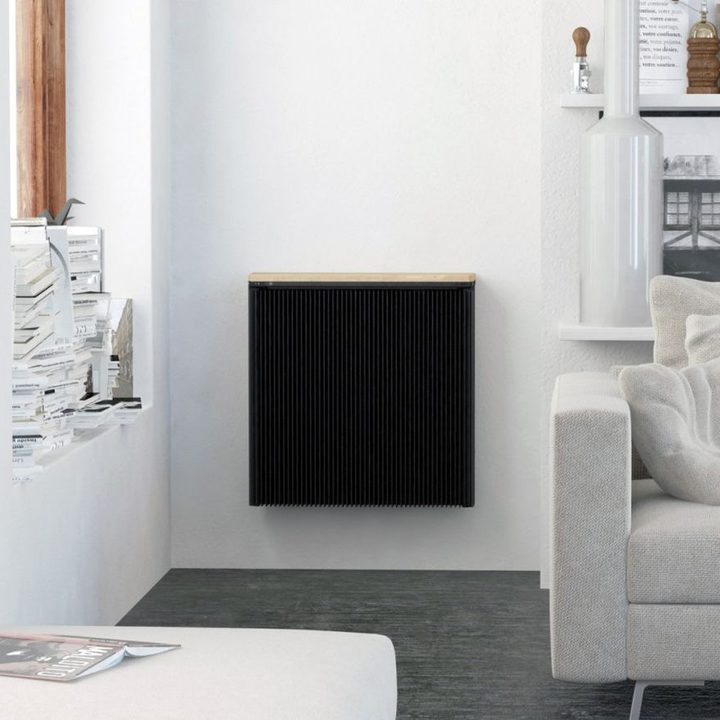
French startup Quarnot recently unveiled a space heater that could potentially pay for itself — someday. By harnessing the massive amounts of heat GPUs generate while mining cryptocurrency, Quarnot’s QC1 heater will not only keep you toasty during the winter months, it could very well earn you a little extra cash.

“The heat of your QC-1 is generated by the two graphics cards embedded in the device and mining cryptocurrencies or blockchain transactions: While heating, you create money,” the QC1 product description reads. “You can watch in real time how crypto markets are trending, on your mobile app and on your QC-1 LEDs.”

Recommended Videos

Really though, the QC1 heater is a slick-looking device, and it packs some serious power — two AMD Radeon RX 580s — but it retails for $3,600. That is a huge amount of money for what amounts to a space heater, even if it can mine cryptocurrency. Keep mind, that is all it can do, it doesn’t include a hard drive or an operating system. You control it from your phone. It can’t run games, it can’t be used to check your email. For that price, you could just buy a high-end gaming PC with two comparable cards inside and set them up for cryptocurrency mining yourself.

Let’s do a little math. You would have to run the QC1 all day every day for five and a half years mining Ethereum before it paid for itself, at the most recent Ethereum exchange rate. The real story here isn’t the QC1, it’s the fact that it exists at all. Using excess heat from cryptocurrency mining to heat your home is actually a really great idea. Mining cryptocurrency generates a tremendous amount of heat and putting it to good use could make passively mining cryptocurrency more approachable.

Nobody is going to buy one of these things and strike it rich, that part of the cryptocurrency boom is probably over, but as a proof of concept, the QC 1 is a fascinating product. Waste heat has always been a huge issue for server farms, and even offices that run a lot of desktop computers, putting it to use in the home isn’t a bad idea. But at $3,600, it’s not a good one either.

Jaina Grey
Former Digital Trends Contributor
Jaina Grey is a Seattle-based journalist with over a decade of experience covering technology, coffee, gaming, and AI. Her…
Valve just gave away the blueprint for its coolest Steam Machine mod
Valve giving away the recipe instead of the dish, and honestly, we're okay with it.
Valve Steam Machine Featured Design Coverplate

While Valve’s Steam Machine launched at a higher-than-expected price due to the AI-driven chip shortage, it seems that the company is not sitting on its haunches and is still working hard to make the product more enticing to users. 

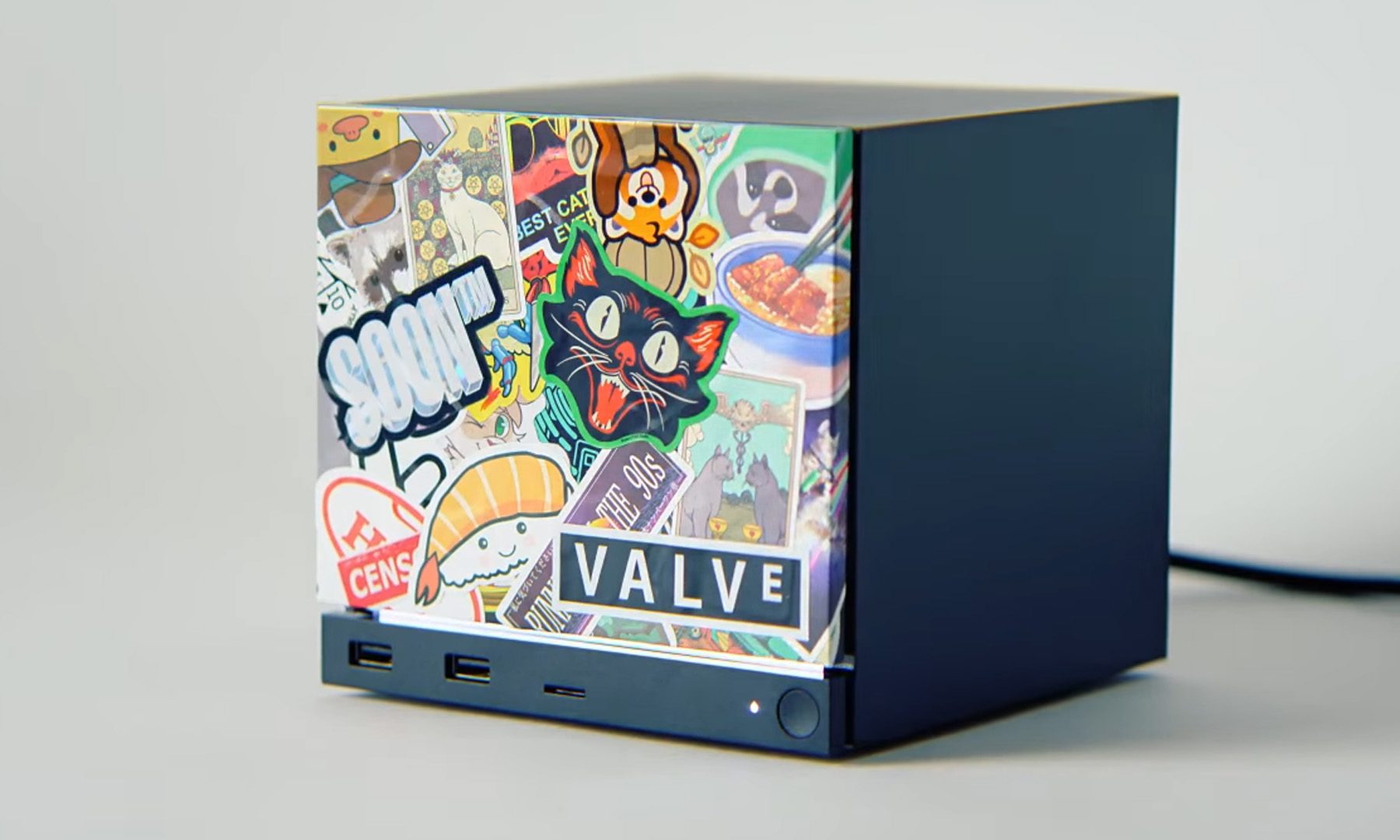
One of the coolest features of the Steam Machine is the user-customizable front faceplate, and Valve has just made it better. The company open-sourced its "Inkterface" project, which allows users to build their own e-ink faceplate for the Steam Machine.

Read more
Brave’s new Container feature is a lifesaver for anyone juggling multiple accounts
With this feature, you won't need to open three different browsers
Brave browser 3D logo

Brave has added Containers to its desktop browser, giving users a built-in way to keep different accounts, sessions, and browsing activity separate. The feature is available in Brave 1.92 for Windows, macOS, and Linux, and is rolling out in phases over the next few days.

Containers have been a highly requested feature, especially for users who regularly switch between work, personal, developer, or creator accounts. Once enabled, they let users open tabs in separate spaces where cookies and site storage are not shared outside that container.

Read more
Intel may bring back older desktop CPUs because DDR5 is getting too expensive
Older Intel Core CPUs from 10th to 14th Gen may get a second life
Intel Core i5-12400F box sitting in front of a gaming PC.

Intel may be preparing an unusual response to the ongoing memory crunch. According to Chinese outlet ITHome, citing ChannelGate, the company’s latest production plan includes restarting production of 13th-gen and 14th-gen Core processors.

The move is expected to increase supply across Intel’s 10th, 12th, 13th, and 14th Gen CPU families, especially in mainland China. For DIY PC builders, the timing is important. DDR5 memory prices have climbed sharply, making newer platforms harder to justify for anyone trying to build an affordable gaming PC.

Read more