
A new version of Apple Maps is on the way in iOS 12, and it’s going to make the mapping service much more helpful and accurate, according to TechCrunch.
Apple Maps didn’t skyrocket to popularity the way Apple hoped. After a bumpy launch in 2012, the company tried to quickly patch the service and make it usable. While it has dramatically improved since, it can’t compete with the wealth of data available in Google Maps. The solution? An overhaul of the app that will show improved and more detailed visuals, better context awareness, responsiveness to changes like roadwork, and even details like pedestrian paths, making it useful even when you’re not driving.
Specifically, Apple is focusing on a few key aspects for the new Maps. For starters, Apple wants to improve accuracy, ensuring that the app doesn’t only stay up to date, but that it’s also updated far more regularly than it already is. Apple notes that in its current iteration of Maps, updated road infrastructure takes some time — but in the new version, it will be very quick and easy, which should help ensure that the app remains up to date.
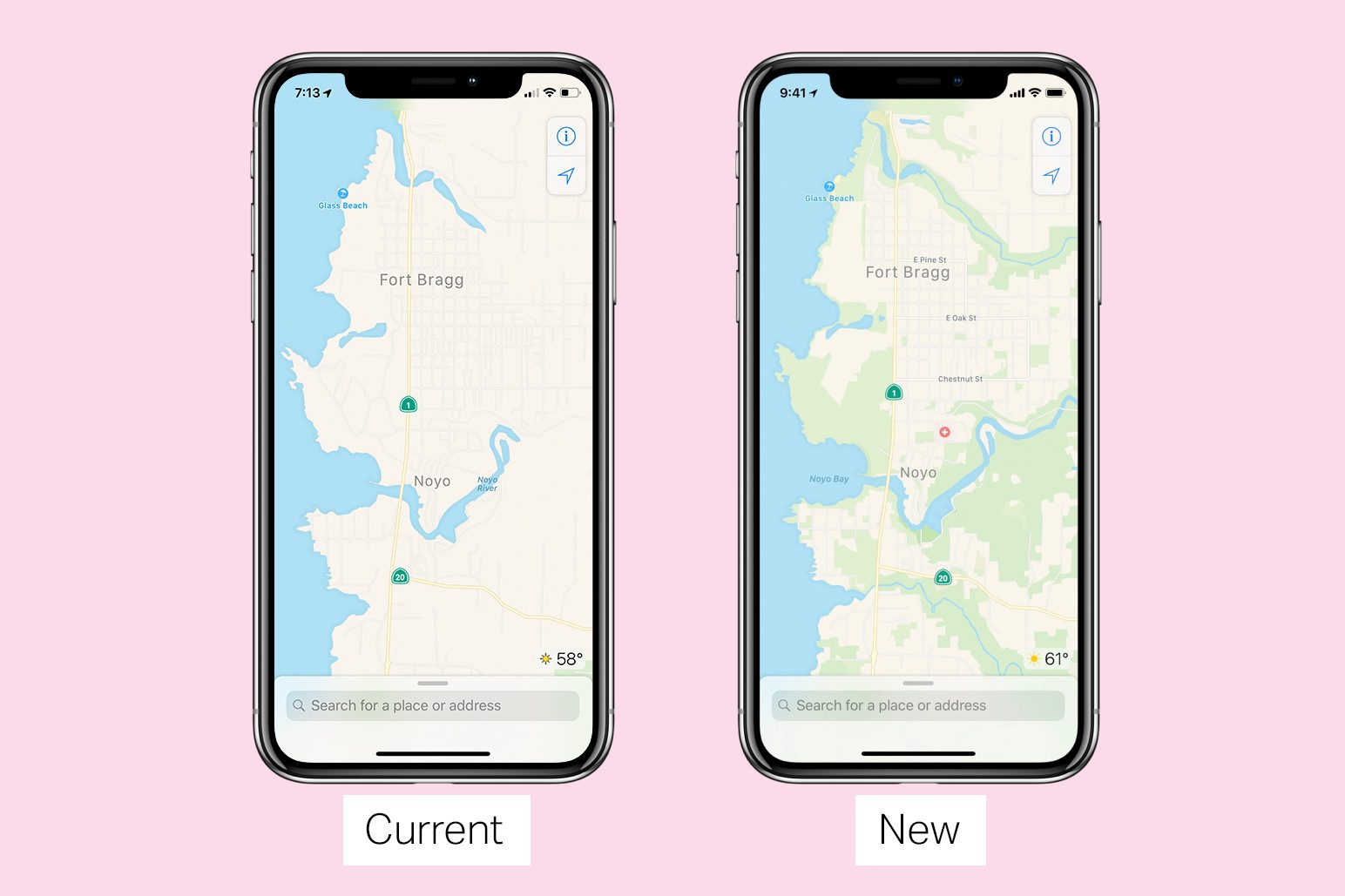
“Since we introduced this six years ago — we won’t rehash all the issues we’ve had when we introduced it — we’ve done a huge investment in getting the map up to par,” Apple Senior Vice President Eddy Cue told TechCrunch. “We’ve done a huge investment of making millions of changes, adding millions of locations, updating the map and changing the map more frequently.”
Building a new mapping app from the ground up isn’t easy. To do so, Apple has been collecting its own data and data from users — though the company is quick to point out that it’s doing so with privacy in mind. For example, instead of collecting data on trips from one point to another, it collects segments of those trips, so it couldn’t tell where a user was coming from or going. Those segments of data are collected anonymously too — so Apple employees themselves simply can’t know which users were taking which trips.
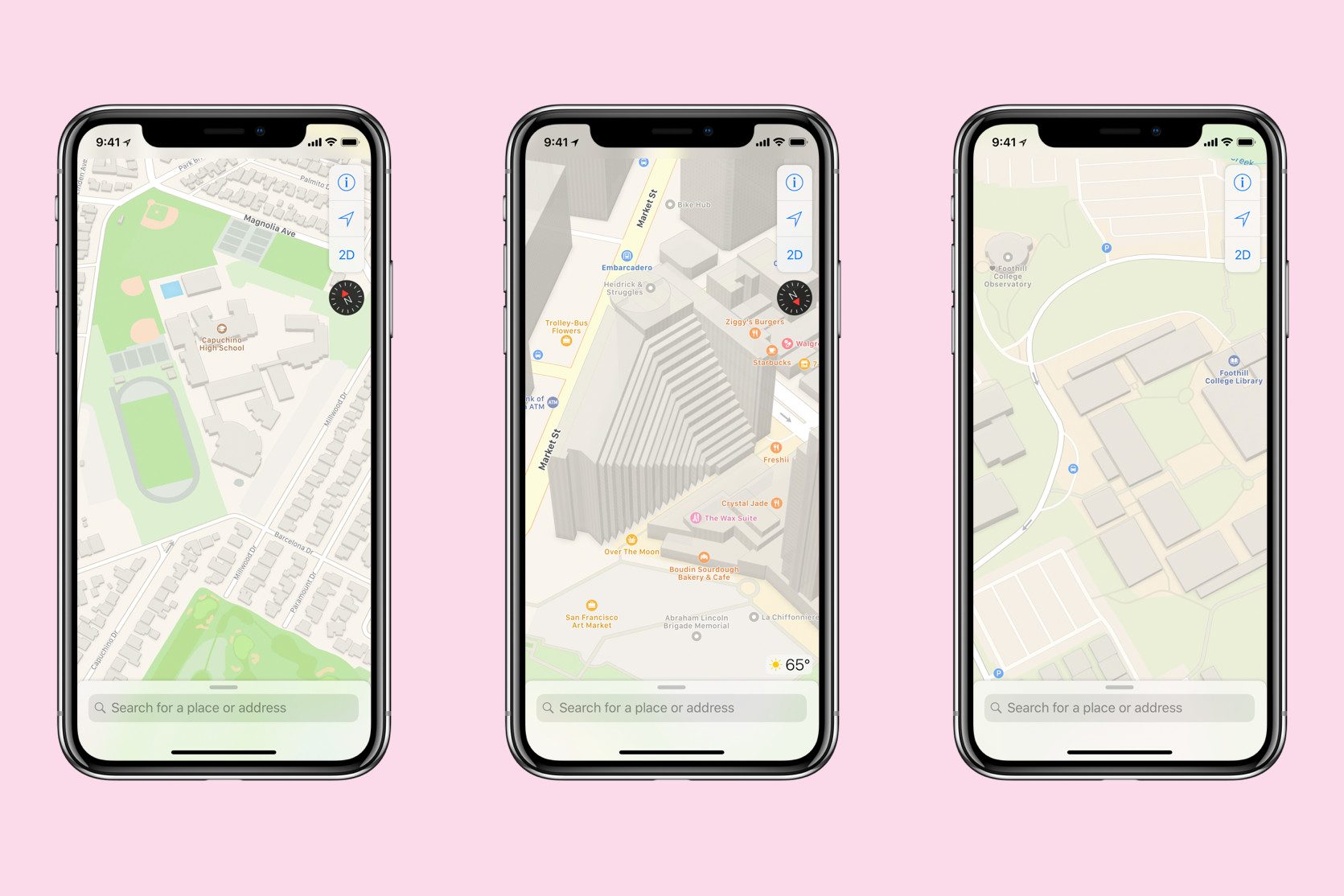
That will continue as Apple continues to build Maps, and it will help inform a range of things. It’ll help Apple determine traffic, weather conditions, new construction, and so on — all with the help of the millions of iPhone devices in the world, and all privately and anonymously. Apple also combines that data with information collected from high-resolution cameras on satellites, and information collected from the Apple Maps-branded cars you may have seen driving around some areas of the U.S. That data helps Apple locate things like swimming pools, sporting areas, and more.
The new app will be available in the San Francisco Bay Area at launch, with the rest of Northern California to come this fall. Apple says it will be rolling the news Maps out section by section to different parts of the U.S. over the next year. This new Maps will be stitched into the current Apple Maps, but you should be able to tell the difference pretty easily. Eventually, you’ll see design changes in the Apple Maps app. Safe to say, Google has some serious competition on its hands.


