1. Home
  2. Phones
  3. Mobile
  4. News

Drop it. Smash it. Slam it. Samsung’s unbreakable OLED screen can take it

Add as a preferred source on Google
Image used with permission by copyright holder

A new type of smartphone display panel made by Samsung Display has passed a series of durability tests in the U.S., which saw it surpass standards set out by the Department of Defense. Samsung calls the panel “unbreakable,” and has huge ambitions for it in the near future.

It’s made up of a flexible OLED screen with a plastic substrate window bonded to it, resulting in a far tougher combination than the glass-and-OLED screens we see on most devices today. While smartphones will be the primary use — because we’re all a bit clumsy — Samsung Display also expects to use the panel in educational environments, cars, and military situations.

Recommended Videos

What did the screen withstand? The tests were carried out by product safety experts at Underwriters Laboratories (UL), where it passed a 1.2 meter drop test 26 times in succession with no damage at all. It then went on to complete a 1.8 meter drop test, and passed through high and low temperature tests. The results mean Samsung Display’s panel easily passed the military standards the UL utilizes.

[Samsung Display] Unbreakable OLED Panel

In a video released by Samsung Display, the unbreakable panel also survives various hammer strikes, which isn’t something we’d recommend replicating on your own glass phone. Despite the obvious toughness, Samsung Display notes that the panel still has the same visibility offered by glass, along with the same light weight.

The benefits of a super tough plastic panel that still operates like glass are obvious. When we drop our phone, it won’t be the sound of a massive, impending bill we hear when it hits the ground. We can go out and buy tough phones that do this now, but they don’t look like the Galaxy S9, which is why we probably won’t. Remember though, the UL test is a lab test, rather than one carried out in everyday situations, meaning results may vary once we try one out on a phone.

While Samsung Display is justly proud of its unbreakable screen, it hasn’t offered any information on when it will go into production, or when it will be used on a device we can own. It’s possible the panel may be used on forthcoming phones like the Galaxy S10, or Samsung’s rumored Galaxy X flexible phone; but until Samsung announces it will be using Samsung Display’s special panel, we won’t know for sure.

Andy Boxall
Andy has written about mobile technology for almost a decade. From 2G to 5G and smartphone to smartwatch, Andy knows tech.
OnePlus is gone, and Android phones just became more boring in the US
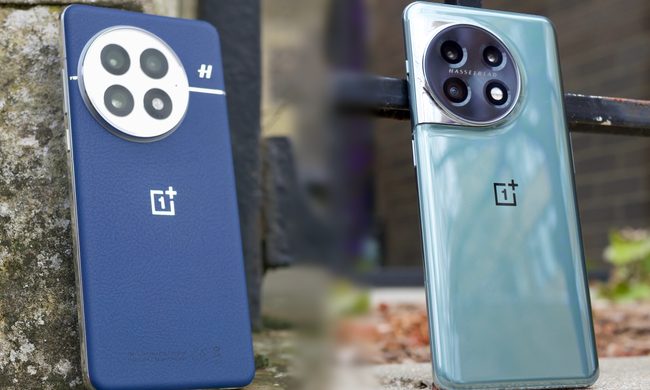
OnePlus 13 vs OnePlus 11.

I wasn't expecting a smartphone brand's exit to hit me this hard, but OnePlus leaving the US and Europe genuinely did. The company has already confirmed that it will no longer launch new products in either market, although existing customers will continue receiving software updates and after-sales support. So while OnePlus isn’t disappearing altogether, it is walking away from two of the biggest smartphone markets in the world.

To be honest, the Android market in the US already feels limited. If you’re shopping for a flagship, your realistic choices almost always begin with Samsung and end with Google. OnePlus was one of the very few brands sitting in between, offering something that didn’t quite look or feel like everything else. And that’s exactly what I’m going to miss.

Read more
A niche iPhone browser quietly fixes my biggest problem with Google Search
Quiche Browser open on iPhone

If there's a new browser, email app, or note-taking app to try, chances are I've already installed it. Like every other productivity nerd, I'm always chasing the perfect setup. That's how I stumbled upon Quiche Browser. It was already close to replacing the Arc Search for me on the iPhone, but its latest update finally pushed it over the edge, earning it a spot as my default browser.

What makes Quiche so good

Read more
Google has to play fair with AI rivals on Android, and that could be good news for your wallet
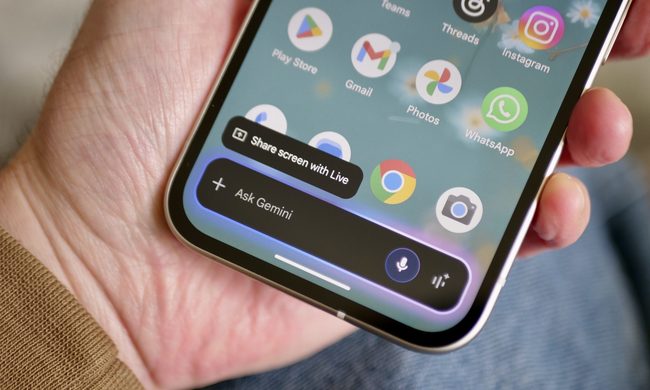
A new ruling strips Gemini of its exclusive access to deep Android integration, opening the door for cheaper AI models to offer similar functionality for less.
A person using Google Gemini on the Google Pixel 9a.

After forcing Google to open up Android to third-party app stores, the EU is back with a new target, and this time it's Gemini's home-field advantage. The European Commission ordered Google on July 16 to give rival AI apps the same deep access to Android that's currently exclusive to Gemini. The order falls under the EU's Digital Markets Act (DMA), and it directs Google to stop treating its own assistant as a first-class citizen on a platform it controls.

What Google now has to hand over

Read more