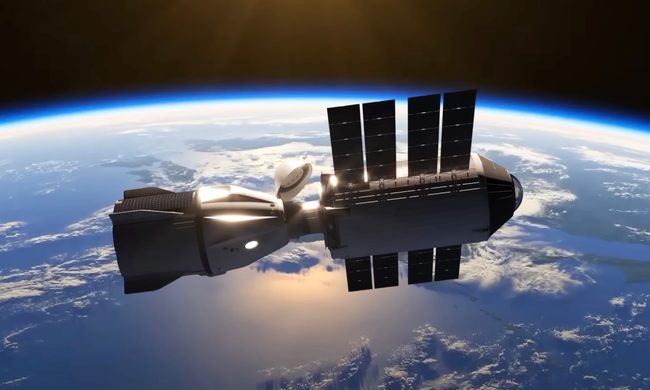
On Saturday, August 1, NASA and SpaceX plan to complete their historic Demo-2 mission, the first crewed test flight of the new Crew Dragon capsule which will ferry astronauts between Earth and the International Space Station (ISS). The spacecraft will undock from the station where it has been since its arrival on May 31 and travel back to Earth with NASA astronauts Bob Behnken and Doug Hurley aboard.
We’ve got all the details on what to expect from the return flight and how to watch the event live online.
The Crew Dragon mission so far
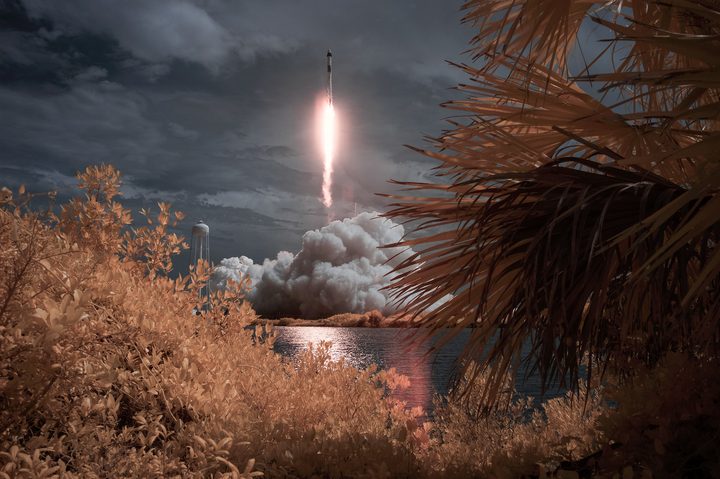
At the end of May, the Crew Dragon capsule with astronauts Behnken and Hurley aboard was launched atop a Falcon 9 rocket from the Kennedy Space Center in Florida. After a smooth and uneventful 19-hour journey, the astronauts arrived safely at the International Space Station with the capsule in good condition.
The astronauts then spent two months on board the ISS, where they assisted the crew with science operations as well as checking on the health of the Crew Dragon. Now NASA and SpaceX are both satisfied that the Crew Dragon capsule has performed as required and has not experienced any issues during launch or while being docked, they are ready for the return leg of the journey to complete this test flight mission.
What happens next
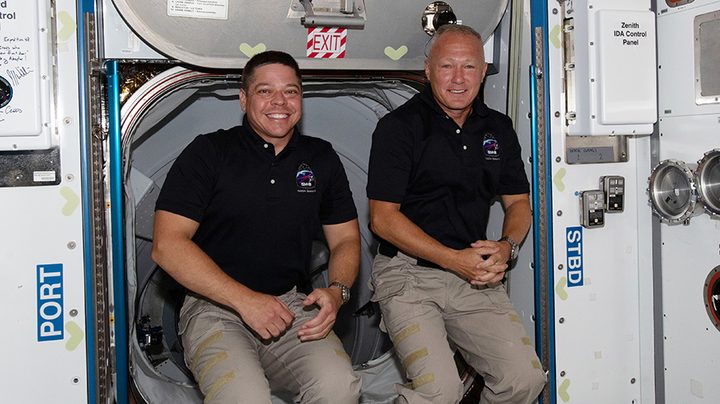
On the day of the return flight, Saturday, August 1, Behnken and Hurley will say farewell to their ISS colleagues and proceed from the space station back into the Crew Dragon capsule. The capsule will then carefully undock from the station and maneuver to a safe distance.
The capsule will execute four engine burns to point back toward Earth and begin the return journey. This journey takes between six and 30 hours, depending on exactly when departure occurs. This large difference is due to the fact the ISS moves around the Earth so its position relative to the landing zone varies throughout the day.
Once the capsule is approaching Earth’s atmosphere, it will jettison its trunk, or the cylinder in which it sits, which will then burn up in the atmosphere. The small capsule will continue on and enter Earth’s atmosphere traveling at around 17,500 miles per hour, at which speeds friction will cause it to experience temperatures of up to 3,500 degrees Fahrenheit.
Once it is moving through the atmosphere, the capsule will deploy two sets of parachutes to slow its descent before it lands in the ocean. The first set deploys at an altitude of 18,000 feet and the second set at 6,000 feet, slowing the Crew Dragon from 350 mph to 119 mph to a safe landing speed.
The capsule will splashdown in the Atlantic Ocean off the coast of Florida. There are seven potential splashdown sites, including those near to Pensacola, Tampa, Tallahassee, Panama City, Cape Canaveral, Daytona, and Jacksonville. Which location will be used depends on exactly when the craft leaves the ISS and on the weather conditions at each location.
The crew members will then be retrieved by a team of SpaceX and NASA personnel using one of two recovery ships, the Go Searcher and the Go Navigator. They’ll be taken for a medical assessment to check they’re fit and well, then they’ll travel back to dry land where they’ll board a plane which will fly them to Ellington Field base in Houston.
How to watch NASA astronauts return on the Crew Dragon live
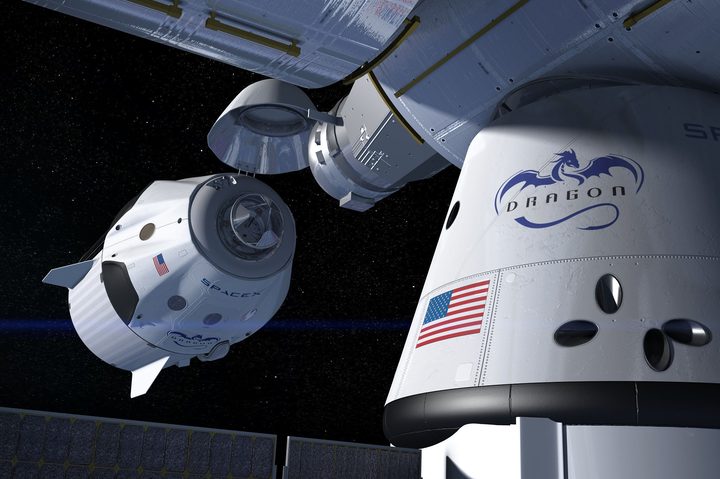
NASA TV will be showing full coverage of the return flight, including a farewell ceremony from the ISS for the astronauts, the undocking of the craft from the space station, and the splashdown in the Atlantic Ocean. There will also be a post-splashdown news conference with NASA and SpaceX representatives to talk about how the return flight went, and after a couple of days of recovery time the astronauts traveling in the Crew Dragon, Behnken and Hurley, will talk about their experiences in a news conference.
On flight day, Saturday, August 1, coverage of the farewell ceremony begins at 6:10 a.m. PT/9:10 a.m. ET., followed by coverage of the undocking beginning at 2:15 p.m. PT/5:15 p.m. ET, with the actual undocking scheduled for 4:34 p.m. PT/7:34 p.m. ET.
The craft will travel back to Earth over Saturday night and Sunday morning, with splashdown scheduled for 11:42 p.m. PT/2:42 p.m. ET on Sunday, August 2. This will be followed by the post-splashdown news conference at 2 p.m. PT/5 p.m. ET.
You can watch all of these events via NASA TV, either by using the embedded video at the top of this page or by heading to NASA’s live TV page.