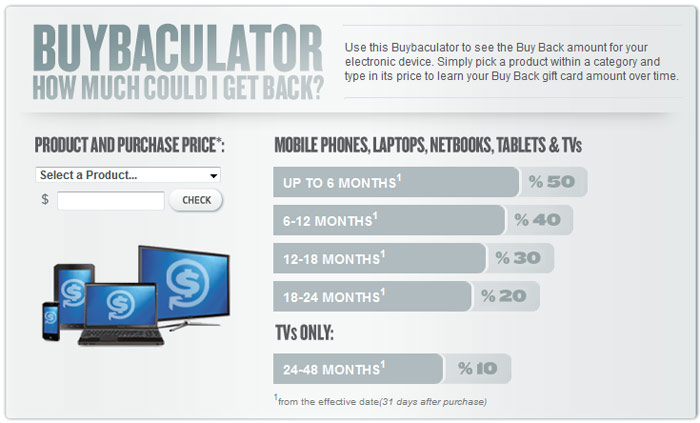
At the Super Bowl this year, Best Buy announced its brand new Buy Back Program with an odd and confusing commercial featuring Justin Bieber and Ozzy Osbourne. Basically, for a fee, Best Buy will now make a pact with you to buy back your gadgets for 10 to 50 percent of their original retail price if you decide you’re ready for an early upgrade. But is the service really worth its price tag? Find out below.
The costs and savings of the Buy Back Program
Here’s how it works. Much like Best Buy’s Warranty program, when you purchase an item from Best Buy, the cashier will ask if you’d like to enroll that item in the Buy Back Program — there is a fee to join it. If you return your product in 100-percent good condition — working order with the receipt, all the original parts, and proper documentation — Best Buy will give you money back for your item, depending on how old it is. Laptops, netbooks, tablets, and phones are only returnable within two years. TVs can be returned for a very low rate for up to four years. Assuming all of your paperwork checks out and the item is in good condition, Best Buy will give you a gift card for the amount it owes you. You must spend that gift card in Best Buy.
Cost to purchase the Buy Back Program for an item:
- Laptops and Netbooks – $69.99
- Tablets – $69.99
- Mobile Phones ($349.99 or less) – $39.99
- Mobile Phones ($350 and more) – $59.99
- TVs ($499.99 or less) – $59.99
- TVs ($500-$1,199.99) – $99.99
- TVs ($1,200-$2,499.99) – $179.99
- TVs ($2,500-$4,999.99) – $299.99
Amount of money you’ll get back (based on product age):
- 50% back – up to 6 months old
- 40% back – 6-12 months old
- 30% back – 12-18 months old
- 20% back – 18-24 months old
- 10% back – 24-48 months old (TVs only!)
Still don’t understand? Watch Best Buy’s super-informative video:
Test products
To see if Best Buy’s new program is a good deal, we thought we’d test a few common products. There are an endless number of combinations of products and age we could have chosen, but we chose a few new and old common items: an iPhone 3GS, a Samsung Galaxy Tab, and a Samsung 52″ television from 2008. We calculated the price Best Buy pays back based on the age and type of product and compared it to current used prices of each product online. The results are not favorable for Best Buy.
Apple iPhone 3GS 16GB (AT&T)
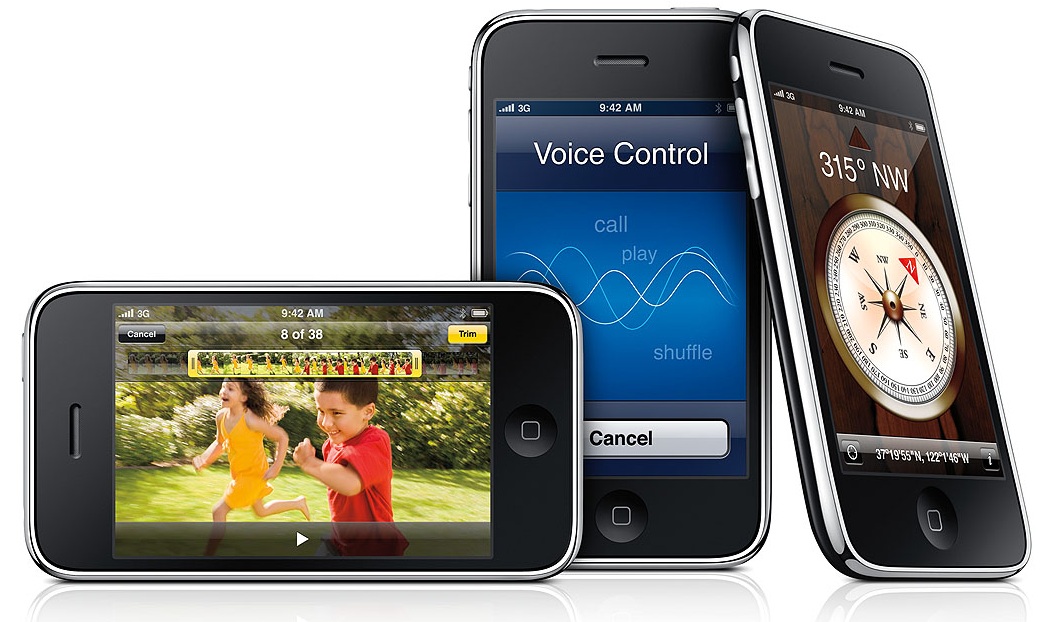
Age: 20 months
Buy Back Price: $120
Buy Back Program cost: $60
Avg. used price online: $275
Original price (no contract): $600
Potential cash lost through Buy Back: $215
Though Best Buy uses the actual price of phones to calculate its Buy Back prices, users hoping to upgrade from the iPhone 3GS would not have been a good deal after any length of time due to Best Buy’s low payback rates, which top out at 50 percent and dip down to 20 percent as users approach their two year contract renewal. We estimate you could make $200 more from your iPhone 3GS by putting it on eBay or selling it online. However, if you’re content with a $60 payout or don’t want to put in the effort, Best Buy’s plan might be good for you. Just make sure you have all of the parts and your phone isn’t damaged.
Samsung Galaxy Tab (16GB, Wi-Fi + 3G, 7-inch)
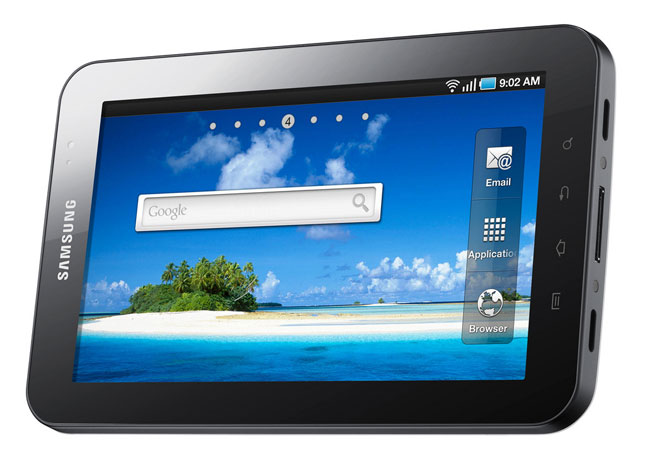
Age: 3 months
Buy Back Price: $300
Buy Back Program cost: $70
Avg. used price online: $450
Original price (no contract): $600
Potential cash lost through Buy Back: $220
Unlike mobile phones, devices like tablets, laptops, and netbooks aren’t always replaced once every two years. The Samsung Galaxy Tab has only been out for a few months, but if it were on the Buy Back plan, it instantly loses 50 percent of its value the minute you walk it out the door. Prices on eBay and Google seem to average around $450 bucks, though some have gone for more than $500. Again, if you plan on ridding yourself of gadgets quickly, you need to learn how to sell them online. Best Buy’s program would cost Galaxy Tab owners $220 in potential money back on their purchase. With this item, selling online would double your earnings.
Sony VAIO VPCF115FM
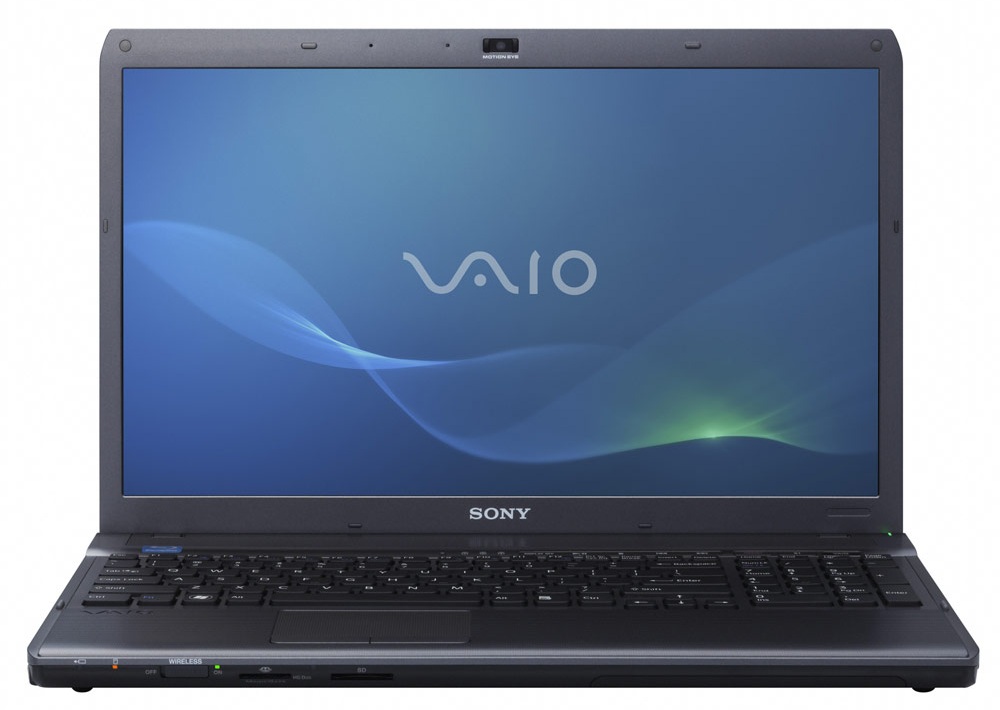
Age: 11 months
Buy Back Price: $540
Buy Back Program cost: $70
Avg. used price online: $800
Original price (no contract): $1350
Potential cash lost through Buy Back: $330
There aren’t a lot of these Sony VAIO’s on the net right now, but on eBay few seem to be going for less than $900 bucks. We’ve chosen $800 as a conservative estimate. And once your laptop hits the 12 month mark, the Buy Back Program would only pay out $405, meaning you’ll lose even more. The price you get when selling items online does not have stringent tiers based on age. Choosing Best Buy’s program would be a very sad decision for a Sony VAIO VPCF11FM owner.
Samsung LN52A650 (52″ LCD HDTV)
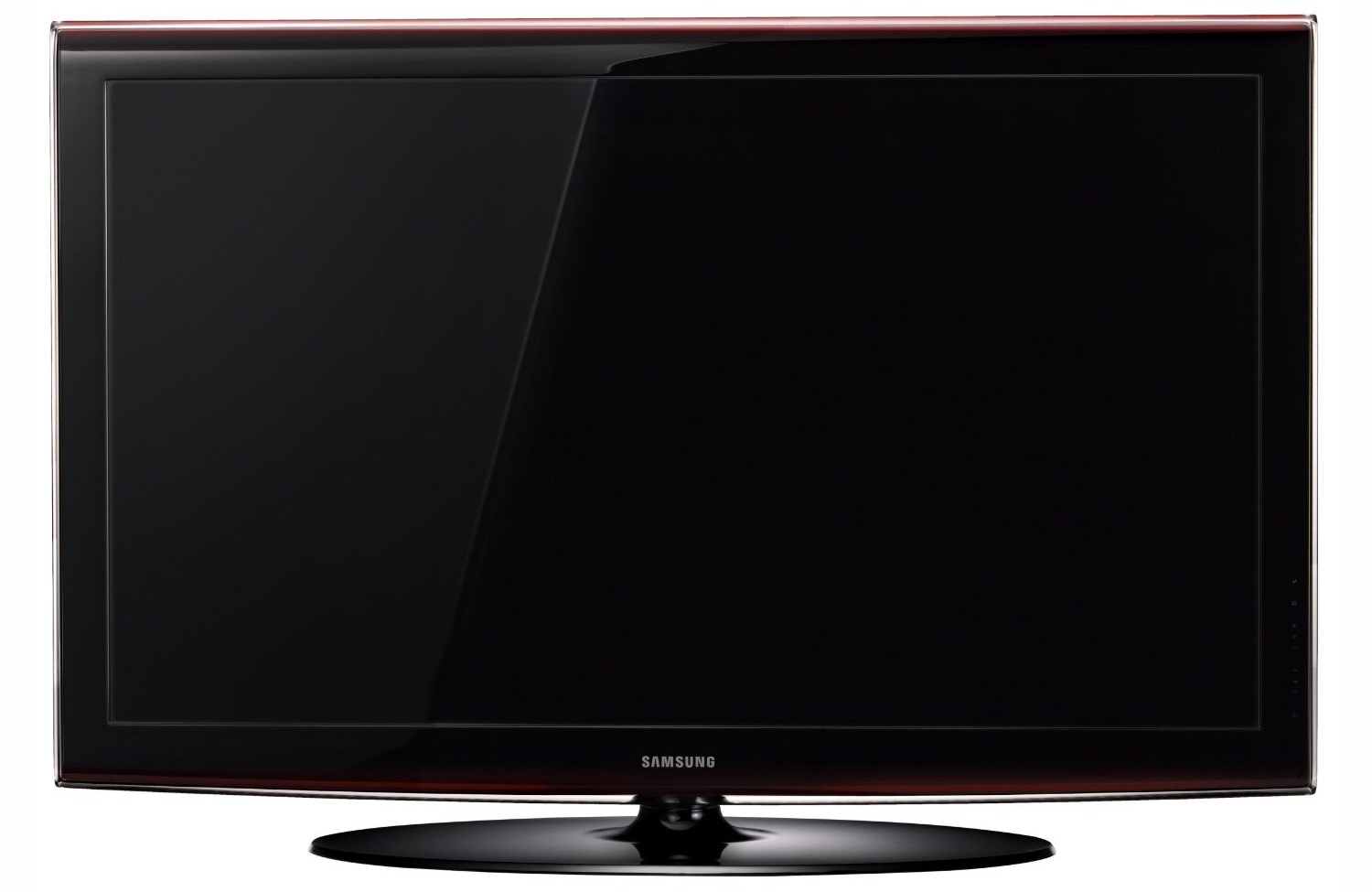
Age: 33 months
Buy Back Price: $200
Buy Back Program cost: $180
Ave. used price online: $900
Original price (no contract): $2,000
Potential cash lost through Buy Back: $880
Best Buy extends their Buy Back Program for up to 48 months (four years) on TVs, but offers only 10 percent back after year two. The Samsung LN52A650 was a $2,000 1080p 52-inch TV when it hit store shelves in mid-2008. It was actually the best selling HDTV of 2008. Today, the lowest price we found one on eBay was $900, but the nearly three-year-old TV was selling closer to $1000 on other Websites. Choosing the Buy Back Program would make you $20 (deducting the cost to enroll from the payout), but you’d lose out on about $880 you could have made selling the TV online.
A massive ripoff
We’re not sure who Best Buy is marketing their Buy Back Program to, but there are very few scenarios where it makes much sense. Unless you bought an extremely lame gadget, selling your items online appears to be a much better way to make some cash back on your old electronics. Best Buy charges too much for the service, and gives out too little in return. You’re better off on eBay, Craigslist, Amazon, or somewhere else. Also, with the exception of a new phone, you should not be getting new laptops, netbooks, and TVs every year or two. If you buy so many gadgets that you are worrying about cost, you should really start researching your purchases better and learn how to resell items online. You’ll be happier and get a much greater rate of return.
Conclusion: The Buy Back Program is not a good deal. It’s custom designed to squeeze money out of the laziest gadget-obsessed people. It’s also a scam to keep you in Best Buy. You won’t receive cash for those buy backs, just Best Buy gift cards.