1. Home
  2. Entertainment
  3. Legacy Archives

Star Wars: Episode I returns to theaters on February 12, 2012 in 3D

Add as a preferred source on Google

phantommenace3dA long time ago in this very galaxy a man named George Lucas shared a story. It was a science fiction story called Star Wars that was told in three parts, and it made people very happy. Some time later, Mr. Lucas decided to tell another story, a runthrough of the events that shaped his original. This one wasn’t so hot among fans. There were a bunch of lightsabers though, and Yoda jumped around like a little ninja-lizard, so it was cool.

The Lucasfilm team announced last September that all six of the Star Wars films, starting with Episode I – The Phantom Menace and continuing on chronologically after that, would see annual re-releases in the coming years with a shiny, new coat of 3D paint. Fans predictably went wild, even though the announcement meant that Jake Lloyd-as-Ani Skywalker and Jar Jar Binks would be the first to take their theatrical bow.

Recommended Videos

The first of those release dates has now been confirmed on the official Star Wars website: February 10, 2012. The timing falls in line with the window Lucasfilm used for its 1997 Special Edition re-releases of the three Original Trilogy films, as opposed to the late-May opening that each of the six original films had when they were first released. The plan for these new 3D conversions is to continue chronologically through the series with yearly releases, which means we can probably expect the remaining five films after The Phantom Menace to fall sometime in February as well.

Adam Rosenberg
Former Gaming/Movies Editor
Previously, Adam worked in the games press as a freelance writer and critic for a range of outlets, including Digital Trends…
Spotify’s new conversational AI can play tracks you request and answer your music questions
A ChatGPT-like AI feature is coming to Spotify for music requests and listening-history questions
spotify

Spotify is rolling out a new AI-powered conversational feature that lets Premium users talk directly to the app about what they want to hear. Users can type or speak a request and refine the results through follow-up questions instead of manually searching for a song, podcast, or audiobook.

The feature is available from Spotify’s Home and Now Playing screens and works much like a personal audio assistant. It can choose what plays, answer questions about the current track or album, recommend something new, and look through your listening history to provide more personalized responses.

Read more
Christopher Nolan’s personal take on smartphones is surprisingly practical
Christopher Nolan says not owning a smartphone helps him think better
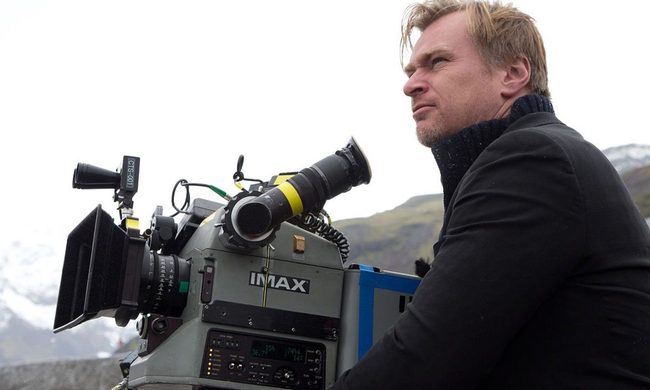
Christopher Nolan sits in front of an IMAX camera.

Christopher Nolan has spent his career embracing cutting-edge filmmaking technology while resisting one of the most common gadgets on the planet: the smartphone. The Oscar-winning director behind Oppenheimer, Inception, and the upcoming The Odyssey says his decision isn't about rejecting technology altogether. It's about protecting something he believes has become increasingly rare - time to think.

In an interview with The Telegraph ahead of the premiere of The Odyssey, Nolan explained that he still doesn't own a smartphone, despite living in a world where QR codes, digital tickets, and messaging apps have become everyday necessities. His reasoning, however, is far more practical than philosophical.

Read more
Letterboxd could find a new home at Netflix, but Sony is fighting for it, too
Netflix wants Letterboxd, but Hollywood isn't letting it go without a fight
Letterboxd

Letterboxd, the fast-growing social network for film lovers, could soon have a new owner. According to a report by Puck News, the New Zealand-based platform has been exploring a potential sale, attracting interest from several major entertainment companies, including Netflix, Sony Pictures Entertainment, and Paramount Skydance.

While no deal has been confirmed, the discussions highlight how valuable online fan communities have become as streaming platforms compete not just for viewers, but also for the audiences that influence what people watch next.

Read more