  1. Home
  2. Computing
  3. Legacy Archives

Intel announces 600GB solid-state drives, doubling capacity in a year

Add as a preferred source on Google

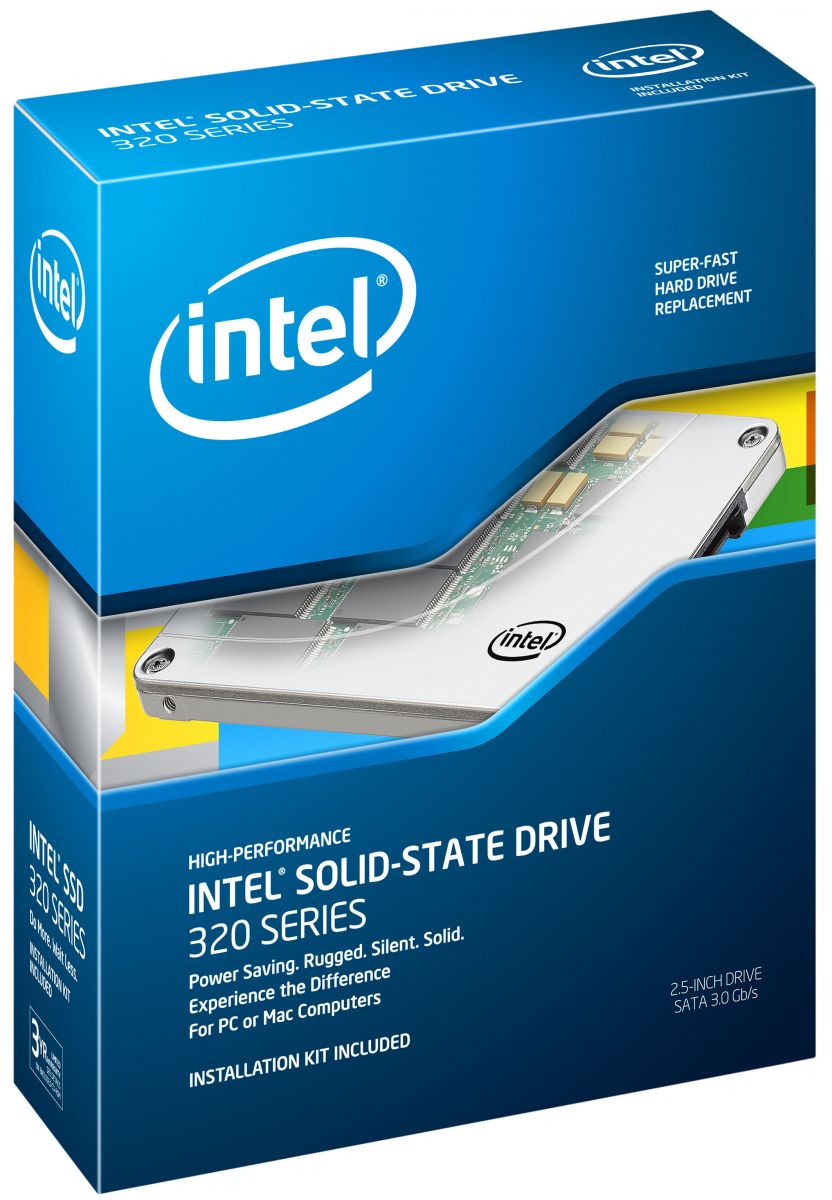
Intel has announced its third generation of Solid-State Drives (SSD), the 320 Series, which double the capacity of last years models to 600GB. Still, for many models, prices have dropped as much as 20 percent from last year, despite the increases in capacity (consumer prices may vary). It seems that Moore’s Law can’t be beat. The 320 series will replace Intel’s current X25-M SSDs and utilize the new 25nm NAND Flash memory process that Intel unveiled last year. The new drives are intended for laptop and desktop computers.

Intel promises better data security (128-bit encryption), power-loss management, and new data redundancy features. The new drives come in the following sizes and prices. All drives come with a 3 year warranty.

  • $89 – 40GB
  • $159 – 80GB
  • $209 – 120GB
  • $289 – 160GB
  • $529 – 300GB
  • $1,069 – 600GB
Recommended Videos

While still expensive, SSD prices are dropping quickly and capacity is rising faster still. SSD drives offer much faster boot times and data access speeds than traditional spinning hard drives.

TechTree linked to a great Intel video in its report. Check it out below. For more detailed information on Intel’s new drives, head to its product page.

Jeffrey Van Camp
As DT's Deputy Editor, Jeff helps oversee editorial operations at Digital Trends. Previously, he ran the site's…
Topics
I hope Apple keeps the MacBook Neo away from the AI hype and preserves its true identity
The cheapest MacBook beats the cheapest AI MacBook.
Computer, Electronics, Laptop

If there's one thing that has disrupted consumer tech economics over the last year while changing how we understand and recommend products, it's the ever-rising cost of memory and chips. 

The desperate need to scale up AI infrastructure has pushed major manufacturers to prioritize enterprise demand, leaving everyday consumers with far fewer choices. Those available cost significantly more than they did a year ago.

Read more
I let Radial menu take over my Mac, and I’m never going back
One mouse jiggle, endless shortcuts. My Mac has never felt this fast.
Radial app running on Mac

I have been testing Radial for the past week, and it's quickly become one of those apps I didn’t know how I could live without. It's a radial menu for macOS that puts your shortcuts, scripts, and automations right where your cursor is, so you never have to go hunting through menus to find what you need.

The app just received its 5.0 update, adding AI actions powered by Claude, window layouts, variables, a redesigned settings interface, a new Atmosphere background effect, and a squircle menu shape. I got to try most of these, and here's what I found.

Read more
Android desktop mode made me miss my laptop in record time
I tried writing and publishing from Google’s phone-to-monitor setup, and the future of mobile computing immediately started sweating.
Computer, Electronics, Laptop

Android 17 desktop mode has a very simple pitch. Plug your phone into a monitor, add a keyboard and mouse, and watch the slab in your pocket pretend to be a computer. I wanted to give that pitch a fair shot, so I tried using it for an actual workday instead of a cute demo.

The goal was boring on purpose: write an article, edit it, build the page in WordPress, upload whatever needed uploading, and publish the thing without running back to my laptop like a coward.

Read more