  1. Home
  2. Computing
  3. Mobile
  4. Legacy Archives

Facebook, Google reportedly in discussions for possible Skype deal

Add as a preferred source on Google

skype-large-logoFacebook and Google are reportedly courting VoIP provider Skype for some kind of partnership, according to multiple unnamed sources speaking to Reuters. One anonymous tipster suggests that Mark Zuckerberg is considering an acquisition of the Luxembourg-based company while another reveals that both Facebook and Google have had discussions about a possible joint venture with Skype.

The VoIP service registered last summer to go public, but the arrival of new CEO Tony Bates in October pushed the IPO plan back to the latter part of 2011. Skype launched in August 2003, and so has a lead on many of the other competitors out there, including Google Voice. That said, the company’s VoIP dominance has slipped; while Skype remains the best bet if you’re out for international or domestic video conferencing, Google’s own offering trumps it in just about every other area, from features to pricing to device compatibility.

Recommended Videos

A Facebook/Skype partnership probably makes the most sense. Both companies are sustained by their large user communities, though one source notes to Reuters that neither has a proven revenue model. While Skype offers free services to a limited extent, the business is largely powered by monthly subscriptions and pay-per-use phone credit purchases. Skype-to-Skype communication is free, but those who wish to use VoIP as their phone service must pay for it.

Facebook, on the other hand, generates dollars largely through ad placement on the social network and fees charged to app developers. The key area of crossover between the two companies is their large user bases; each offers services that the other lacks (for the most part), and so a melding of the two would bolster both.


Adam Rosenberg
Former Gaming/Movies Editor
Previously, Adam worked in the games press as a freelance writer and critic for a range of outlets, including Digital Trends…
Brave’s new Container feature is a lifesaver for anyone juggling multiple accounts
With this feature, you won't need to open three different browsers
Brave browser 3D logo

Brave has added Containers to its desktop browser, giving users a built-in way to keep different accounts, sessions, and browsing activity separate. The feature is available in Brave 1.92 for Windows, macOS, and Linux, and is rolling out in phases over the next few days.

Containers have been a highly requested feature, especially for users who regularly switch between work, personal, developer, or creator accounts. Once enabled, they let users open tabs in separate spaces where cookies and site storage are not shared outside that container.

Read more
Intel may bring back older desktop CPUs because DDR5 is getting too expensive
Older Intel Core CPUs from 10th to 14th Gen may get a second life
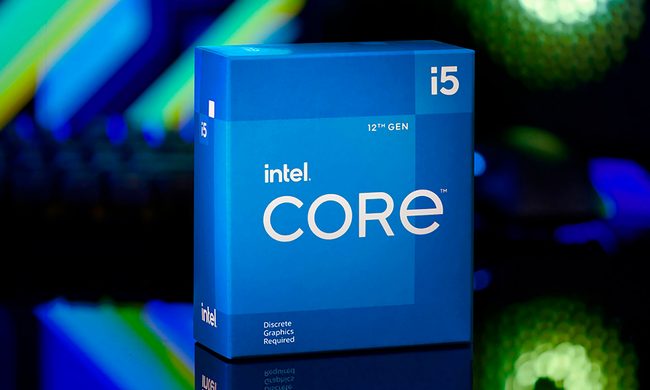
Intel Core i5-12400F box sitting in front of a gaming PC.

Intel may be preparing an unusual response to the ongoing memory crunch. According to Chinese outlet ITHome, citing ChannelGate, the company’s latest production plan includes restarting production of 13th-gen and 14th-gen Core processors.

The move is expected to increase supply across Intel’s 10th, 12th, 13th, and 14th Gen CPU families, especially in mainland China. For DIY PC builders, the timing is important. DDR5 memory prices have climbed sharply, making newer platforms harder to justify for anyone trying to build an affordable gaming PC.

Read more
Amazon wants to design in-house chips for Kindles, Fire TV, and Echo speakers
Apple did it first. Amazon is doing it now, starting with 40 million chips a year and a partner most people have never heard of.
Amazon Kindle Scribe dark mode featured image.

Apple's decision to design its own chips reshaped the consumer electronics industry. Amazon may be about to make the same call, just about two decades later.

Supply chain analyst Ming-Chi Kuo reports that Amazon is preparing to shift away from externally sourced processors for its consumer electronics lineup, marking what he describes as the company's first major processor procurement change in 20 years. The transition is expected to begin in 2027.

Read more