The first public beta build of Android 13 has been released and it is now ready to install as an over-the-air update for folks who aren’t afraid of a few broken features and bugs. Google says the first beta build is only compatible with the Pixel 4 and other Pixel models launched after it, which includes flagships as well as the affordable “A” models.
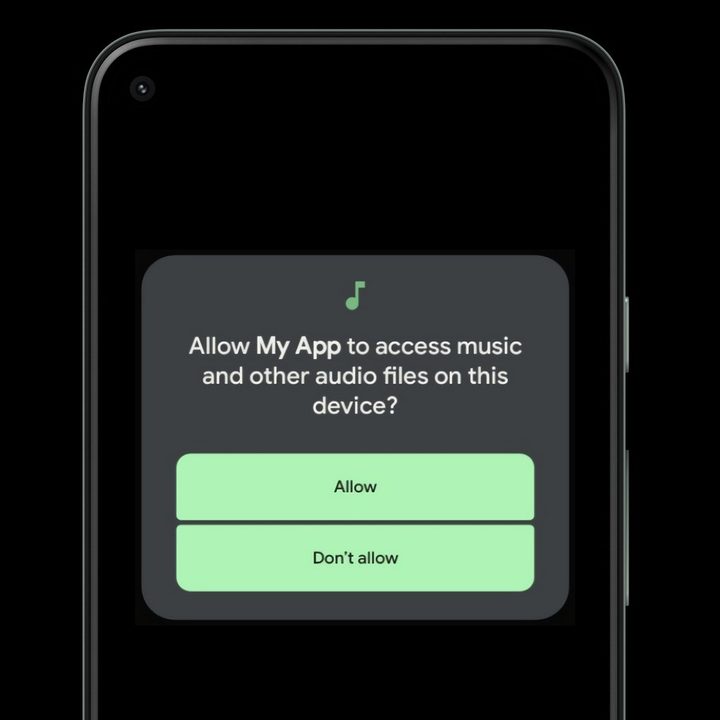
The first public beta of Android 13 arrives with one user-facing and a couple of developer-centric updates. The only new feature users should care about is a more granular permission system for apps. An app will no longer ask for blanket permission to access the locally stored files. Instead, it will only get access to files that are relevant to its functionality.
Android 13 divides file access across audio, video, and photos for granting storage access to apps. For example, a music-mixing app will only ask for access to audio files stored on a phone, and not images or videos. The feature may not seem particularly intuitive, but it has meaningful privacy implications. The update is thin on user-facing changes, but it bundles all the tweaks that arrived with the previous Developer Preview updates.
However, there are a few hidden features that haven’t been documented in Google’s blog post. For example, Android 13 Beta 1 will let users manually adjust the screen resolution between QHD+ and FHD+ on compatible phones. The user profile switcher now has a full-screen UI, while the taskbar will feature a dedicated row for predictions. The update also adds a dedicated icon for vibrate mode in the status bar. A cool UI tweak has been made to the media player, which now shows the progress bar as a squiggly waveform for the media portion that has been played, while the remainder appears as a straight line.
If you happen to own a compatible Pixel smartphone and want to try out the Android 13 experience, head over to the official registration page and enroll your phone. Once enrolled, Android 13 Beta 1 will be available to download as an over-the-air update. However, don’t go installing it on a daily driver device — unless you can live with unfinished software serving random bugs and performance issues.
Google has also released the Generic System Images (GSI) files for Android 13, which allow developers to install Android 13’s first public beta build on non-Pixel phones. The GSI files are Pixel-validated and can be installed on phones that support Project Treble. However, there are a ton of restrictions, and it is exclusively targeted at developers for testing apps. In a nutshell, avoid this unless you are knee-deep into Android app development and testing on bootloader unlocked devices.
The last option to experience Android 13’s first public beta is via the Android emulator inside Android Studio. Google is targeting platform stability for Android 13 by June, which is when most app behaviors and SDK-related stuff will be locked for release. The company hasn’t revealed a definite window for the stable Android 13 release, but it will likely happen around September or October.