The Competition Commission of India slapped Google with two hefty fines over anti-competitive strategies that have allowed it to dominate the mobile ecosystem in India. Totaling over $250 million, the penalties reprimand Google for forcing smartphone makers to avoid Android forks, prefer Google’s web search service, and pre-install popular cash cows like YouTube on phones.
Google was also disciplined for forcing its own billing system on developers that allowed the giant to take up to a 30% share of all in-app purchases for applications listed on the app store. Google is not really a stranger to titanic penalties; The EU handed Google a record-breaking fine of approximately $5 billion in 2018 for abusing its dominant market position — a penalty that was upheld in September this year following Google’s appeal.
Google is facing more antitrust scrutiny at home and abroad, which means more financial hits are almost inevitable. But what sets the modest $250+ million fine in India apart is the complementary serving of orders from India’s competition watchdog that can potentially break the very backbone of Google’s mobile-driven business in the country.
It’s not cash, but reforms that really hurt
In its press releases, India’s top competition regulator has outlined a comprehensive set of corrective steps that Google needs to take, or face further charges. Let’s start with the least complicated, but extremely controversial, side of Google’s lopsided dominance with Android – in-app payments.
Google has been ordered to stop forcing its in-house payment channel – the Google Play Billing System – on app developers. This mandatory payment system is the pipeline that allows Google to take a handsome 30% cut of all in-app payments from applications listed on the Play Store. Moreover, Google has been directed to let developers integrate third-party payment systems into their apps.
Now, this 70/30 revenue split policy has been controversial for a while, but it has been deemed a compulsory bitter pill for developers if they want to get their app listed on the Play Store. Yes, developers can list their apps elsewhere too, but in doing so, they also lose the stringent app security checks by Google, leaving users vulnerable to malware attacks.
Google has reduced its cut to 15% for apps making less than a million dollars in revenue per year, going as low as 10% in special scenarios. Moreover, Google has also been asked to be transparent when it comes to collecting and leveraging users’ payment data, especially about unfairly improving its extremely popular payments app called Google Pay.
Finally, Google has been ordered to stop imposing any form of discriminatory hurdles if developers use a competing payment service or integrate a Google Pay rival in their apps.
Hitting Google where it matters
Away from payments, India’s competition authority has also targeted the discriminatory policies that govern Android distribution rules and Play Store agreement policies. The CCI has told Google that it will not force smartphone makers to pre-install its own apps, such as YouTube, Chrome, Maps, and Gmail, to name a few.
Moreover, access to Play Store will not be subject to pre-installing Google’s apps, and Google also won’t offer any incentives for doing so. The search giant has also been told to allow Android forks, and refrain from enforcing any restrictions. With Android forks, developers often avoid Google products like Search, which means Google will lose access to precious user data — and with it, plum advertising opportunities.
Additionally, the company has been directed to let users choose their own search engine while setting up the device, and change it whenever they want. In a nutshell, Google stands to lose its grip in markets covering web browsers, search data, and online advertising – all at the same time.
Google has already been forced to make relaxations in South Korea, and more concerns are already under the competition scanner in other markets. In India, Google’s Android OS commands over 95% of the market share. Google also has access to nearly 750 million internet users in India – more than twice the U. S. population – but the Android restrictions will severely hurt its prospects in the country.
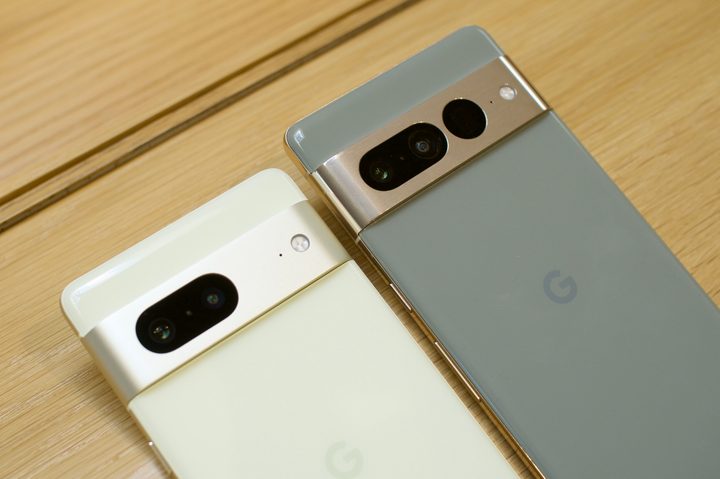
The stringent conditions imposed by India’s competition authority will severely impact how Google rules the smartphone ecosystem and the adjacent ad market. The ruling just might set the ball rolling for stricter actions in other markets, especially the EU and the U.S.
A reckoning for Apple is nigh
Google’s restrictions on app billing systems have received generous criticism from the Android app developer community, but Apple’s control over in-app payments is far more restrictive. Aside from a strict revenue share channel, Apple enforces tight adherence to its App Store billing system. Developers are even forced to refrain from advertising a third-party payment system in their app or reach users via email to inform them about such a convenience.
The latest example of developer displeasure with Apple’s policy is Spotify’s audiobook drama. Spotify launched audiobooks inside its app just over a month ago, but Apple blocked Spotify from letting users buy books directly from within the app. Instead, users had to tap on a button to request an email with a purchase link that took them to Spotify’s audiobook store on the web.
It was a hassle, and Spotify made sure to highlight it. According to a report in The New York Times, Apple rejected Spotify’s update request thrice to ease the payment flow. Eventually, Apple decided that even the button-to-email formula for letting users buy an audiobook violated its policy.
As a result, Spotify had to pull that audiobook purchasing option from its app, but not before the company lambasted Apple over unfair practices. Now, you need to visit Spotify’s web store to purchase audiobooks before you can listen to them in the music streaming app.
Google’s predicament will soon be Apple’s, in India, at least. In September last year, an antitrust lawsuit was filed against Apple in India for forcing the App Store’s billing system on developers. A month later, the Competition Commission of India (CCI) launched an investigation into Apple’s operations in India over charges that Apple abused its dominant market position in the country.
But unlike Google, Apple’s position is even more precarious. Google only forces its in-house payment system on apps that are listed on the Play Store but allows flexibility for apps to be listed on alternative stores. The latter is called side-loading. Apple is strictly against sideloading, which means it’s a take-or-leave situation for developers making iPhone and iPad apps.

Things are not looking good for Apple in Europe, either. The company has already been forced to ditch the proprietary Lightning connector and adopt the USB-C port for iPhones sold in the bloc by 2024.
In June 2020, the European Commission launched an investigation into Apple over the App Store’s payment policies, which restrict developers from even informing users about alternative methods of payment away from Apple’s ecosystem. A separate probe over abusing the contactless payments market with Apple Pay was launched in May this year.
Apple isn’t impervious to antitrust penalties in India. In fact, a potential fine and restructuring order in India just might open the floodgates of antitrust cases and policy change for Apple across the world.