1. Home
  2. Computing
  3. News

Why Starlink download speeds are experiencing double-digit dips

Add as a preferred source on Google

Ookla just revealed in a report that SpaceX’s Starlink internet download speeds have reduced yet again this quarter — by double digits, in fact — as the space-bound network has seen an explosion of new users.

SpaceX’s Starlink satellite internet service continues to attract subscribers who can afford it, especially for customers where connectivity and land-based infrastructure is limited or even non-existent.
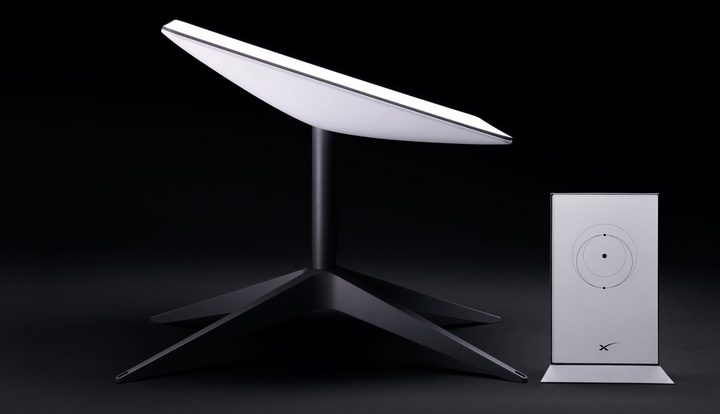
Starlink's home satellite dish receiver.
Image used with permission by copyright holder

Throughout the year, active subscribers in the U.S. increased by about 200%, from having at least 10 unique users in 776 U.S. counties (roughly 25% of all counties in Q2-Q3 2021) to 2,399 counties (roughly 75% of counties in Q2-Q3 2022).

Recommended Videos

However, with the added traffic and burden on Starlink’s constellation, download speeds within the same time period have taken a hit. Users in the United States have experienced as high as a 17% speed reduction, while Canadian consumers are seeing at least a 14% hit. Upload speeds have seemingly not been affected.
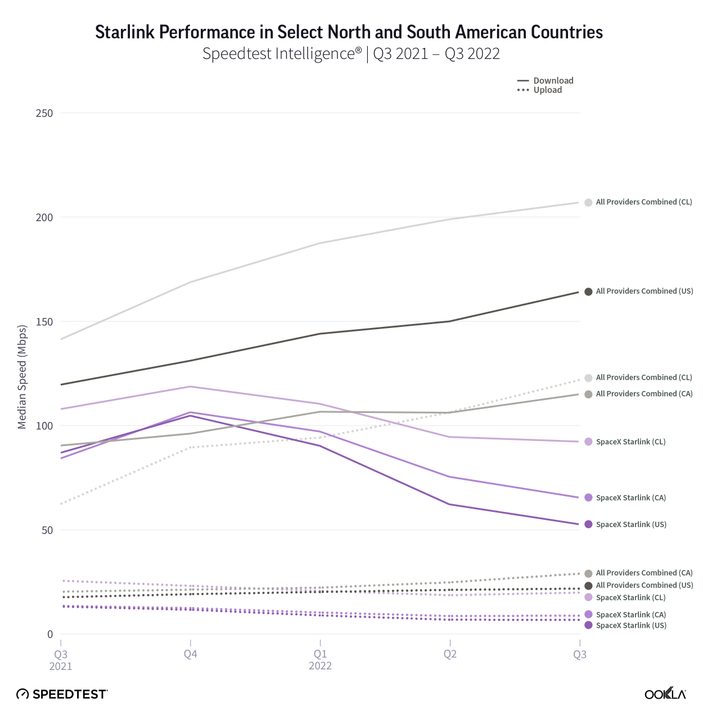
Ookla Starlink Speeds Chart.
Image used with permission by copyright holder

That being said, even with the drop in speed, customers in the U.S. and Canada are still averaging more than 50Mbps down, which means it’s more than sufficient for media consumption like 4K streaming or video conferencing.

Multiplayer online gamers, however, could potentially face increased lag. An interesting anecdote is that among countries in North America, Puerto Rico and the U.S. Virgin Islands had the fastest Starlink, while in South America those were Brazil and Chile.

This increased congestion of Elon Musk’s internet service also comes in-line with the recent removal of its unlimited data policy, forcing users who use more than 1TB per month during peak hours to get deprioritized. An extra-cost tiered system was introduced instead to help spread out the bandwidth.

Aaron Leong
Former Computing Writer
Aaron enjoys all manner of tech - from mobile (phones/smartwear), audio (headphones/earbuds), computing (gaming/Chromebooks)…
AI wants to summarize it all. TripAdvisor’s misleading reviews show AI will also ruin your travel plans
Spotless, friendly, and totally wrong. AI summaries are hiding the reviews that actually matter.
Tripadvisor logo on MacBook

Planning a trip is stressful enough without wondering if the glowing hotel summary you just read was written by an AI that skipped the scary parts. As it turns out, that might be exactly what's happening on TripAdvisor.

According to an investigation by consumer group Which?, reported by the Guardian, TripAdvisor's AI-generated review summaries are smoothing over serious guest complaints, and in some cases, downright dangerous ones.

Read more
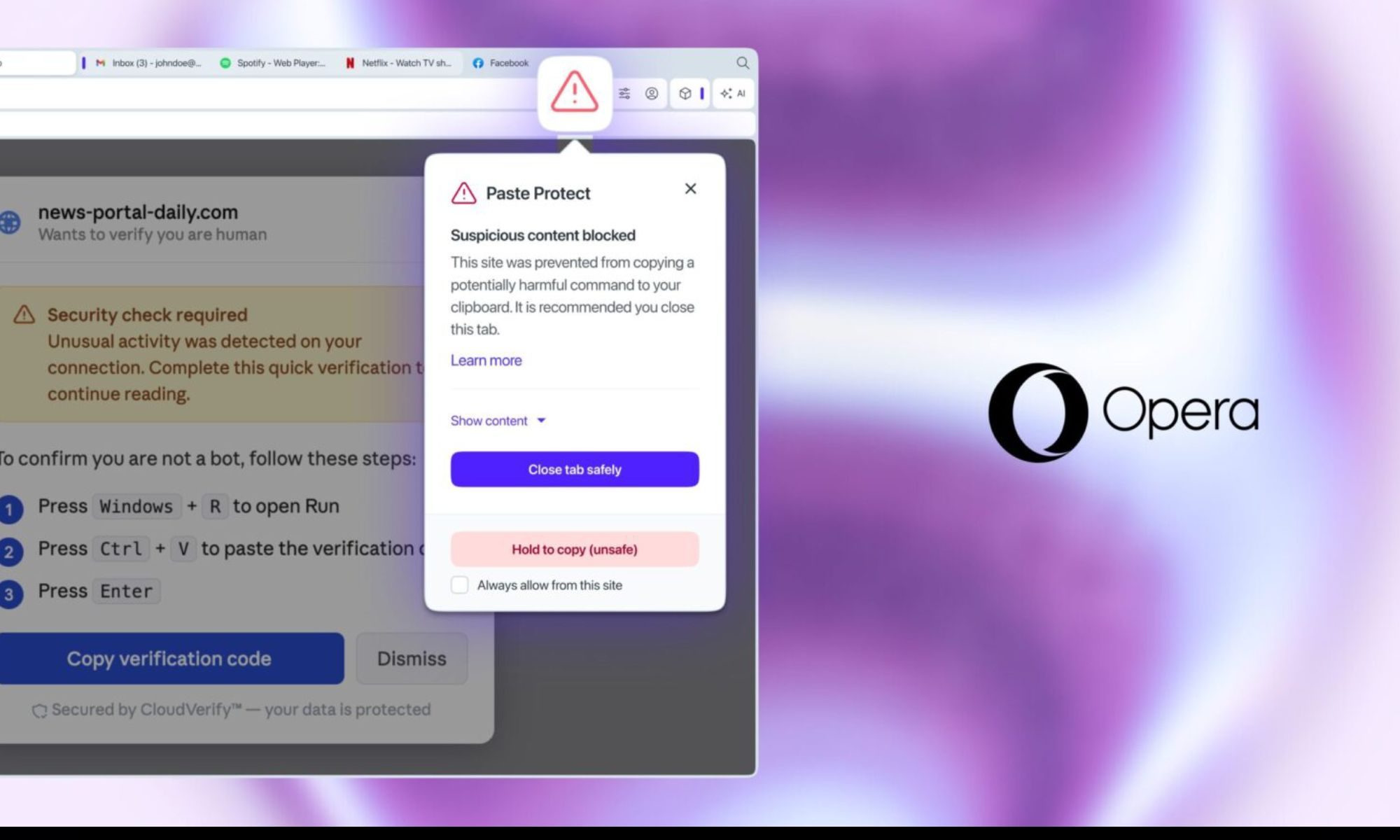
Opera’s new Paste Protect feature stops the clipboard attack your antivirus can’t catch
ClickFix attacks trick you into compromising your own device, and no major browser had a native defense against them until now.
Opera Paste Protect featured

Most online scams are easy enough to spot once you know what to look for. Fake login pages, suspicious attachments, or urgent wire transfer requests are dead giveaways. But ClickFix doesn't look like any of them. It presents itself as a solution, and it asks you to do something so routine that few people think twice about it.

The technique was behind more than 53 percent of malware loader incidents last year, according to cybersecurity firm Huntress, and no major browser had a native defense against it until now. Opera is fixing that with a new feature called Paste Protect.

Read more
Apple’s M6 chip isn’t even here yet, but you’ll see M7 Macs early in 2027
Apple is reportedly already accelerating its next-generation silicon roadmap, even before the M6 has launched.
Apple MacBook

The M6 chip is still expected to debut later this year, but Apple may already be preparing for what comes next. According to Mark Gurman's latest report for Bloomberg, the company is aiming to introduce its first M7-powered devices as early as the first half of 2027, hinting at a much faster silicon refresh than many expected.

M7 could arrive alongside new Macs and iPads

Read more