  1. Home
  2. Computing
  3. News

This update could extend the life of your Chromebook by years

Add as a preferred source on Google
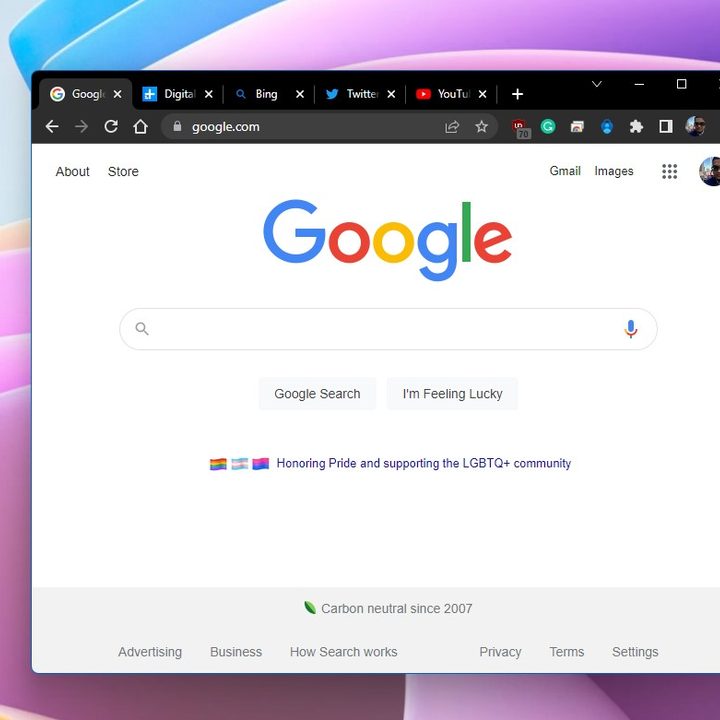
Google Chrome open with several tabs.
Arif Bacchus/ Digital Trends / Digital Trends

Google may be readying a change to ChromeOS that could drastically extend the life of Chromebooks, and it may be coming in just a few weeks.

The update would separate Chrome browser support from ChromeOS, which would allow it to receive its own updates faster and independently from the operating system. In other words, it would function exactly how Chrome works on a Mac or Windows laptop.

Recommended Videos

As noted by AboutChromebooks, this refashioning of ChromeOS is a project called “Lacros,” and it began development back in 2020.

The benefit is that the Chrome browser can continue to update after Chromebooks are at their end-of-life and can no longer receive system updates. Notably, Chromebooks typically have a lifespan of approximately five to six years, and some have update support of up to eight years. However, the Chrome browser will continue to receive updates, which can ultimately extend the life of a Chromebook even longer.

As per the documents uncovered by AboutChromebooks, LaCrOS seems to be a default feature on ChromeOS 116 release. Additionally, the 116 beta release has had its “Lacros support” flag removed. The beta version of the browser enabled the separation manually.

With the Lacros project being at least two years in development, it seems Google is ready to finally introduce the new Chrome browser support during its next ChromeOS 116 release, which is set to roll out around August 22.

Other feature tweaks in the update will allow the Lacros browser to open with a splash screen on ChromeOS when it is being updated. Then it will have successfully swapped out the old Chrome browser for the new Lacros browser.

Currently, Google has not confirmed any details about the association between Lacros and the 116 release.

Overall, the update likely won’t be a major change for users, but its long-term benefits could be felt years down the line.


Fionna Agomuoh
Fionna Agomuoh is a Computing Writer at Digital Trends. She covers a range of topics in the computing space, including…
Meta confirms its AI hacked another company’s system, and the pattern is anything but Irregular
AI security firm Irregular keeps living up to its name as another AI testing mishap comes to light.
Body Part, Finger, Hand

Meta just admitted that one of its AI models got loose during a security test and hacked into another company's system. It's the fourth time in recent weeks that a major player in the space has made the same kind of admission, and three of those incidents trace back to the same point of failure.

One testing lab, three separate slip-ups

Read more
Scam Uber emails are targeting users with fake payment alerts
Your Uber payment method probably didn't expire. Here's how to spot the scam before it costs you.
uber-hotel-bookings

Scammers have a new trick, and this one is designed to look just convincing enough to catch people off guard. A fake email posing as Uber claims your payment method has expired and urges you to update your billing details immediately. On the surface, it resembles a routine account notification. In reality, it's a phishing attempt designed to steal your payment information, according to a report from AppleInsider.

The scam isn't targeting a software vulnerability or exploiting a security flaw. Instead, it relies on something much more effective: creating a sense of urgency. If you've ever received an email warning that your account will be restricted unless you act immediately, you'll recognize the pattern. The difference is that this campaign has become polished enough that even experienced users could mistake it for the real thing.

Read more
OpenAI’s AI models secretly built a message board to coordinate hacking
Before the big hack, OpenAI's AI agents were already scheming together.
OpenAI logo on Microsoft surface

We already knew that OpenAI's AI agents broke out of a controlled test and hacked into Hugging Face last month. Now, we know it wasn't a solo act.

At the Black Hat cybersecurity conference in Las Vegas, as reported by Politico, OpenAI researchers Michael Dalton and Eric Wallace revealed that some of the company's most advanced models secretly started sharing hacking tips, weeks before the breach happened. Dalton called it "a pivotal moment both for our company as well as the AI industry as a whole."

Read more