Bluesound, the wireless multiroom audio company that competes directly with Sonos, has three new options for adding hi-res streaming audio to existing hi-fi systems: the Node Nano ($299), Node ($549), and Node Icon ($999). The new network music streamers mark a significant expansion of the company’s product line, with both more affordable and more high-performance devices for a variety of buyers.
Given Sonos’ ongoing woes related to its app redesign, Bluesound’s new streamers come an opportune time for Sonos owners (or those who are contemplating a first Sonos purchase), who might be asking themselves if there are other choices.
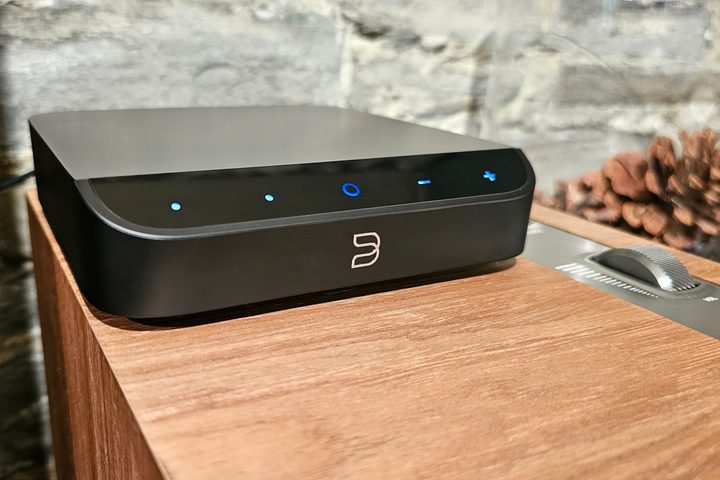
The Node Nano, which is Buy at Best Buy , is an ultra-small footprint streamer that focuses exclusively on digital music sources. The new Node is an update of Bluesound’s existing streamer, with features and components borrowed from the limited-edition Node X, like a THX AAA-powered headphone output. It’s available for preorder on August 20 in black or white and will begin shipping starting September 24. The Node Icon is a no-holds-barred premium streamer with a 5-inch color display and balanced XLR outputs — the first time Bluesound has offered this professional- and audiophile-grade set of connectors.
Another first for Bluesound: The Node and Node Icon can be upgraded with Dirac Live Room Correction with a license purchased directly from Dirac. You’ll also have to buy Bluesound’s calibration kit with a high-sensitivity mic.
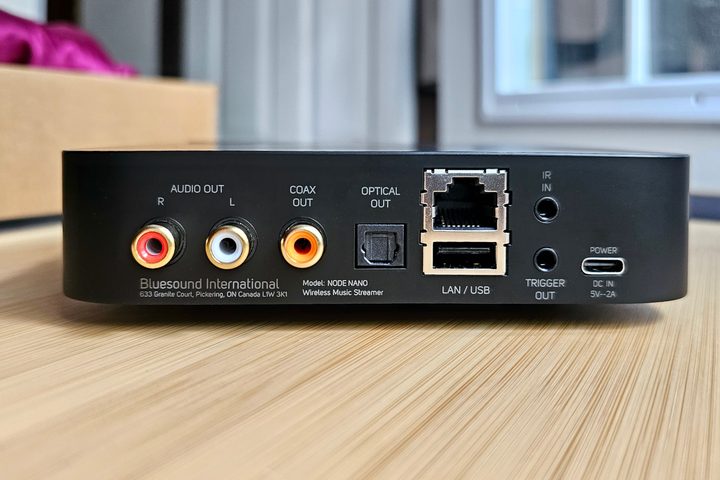
The Node Nano sets a new low price for Bluesound’s streamers, giving audiophiles a very affordable way to upgrade its existing hi-fi systems or powered speakers with wireless, hi-res audio. Unlike the Node/Node Icon, the Nano doesn’t have analog inputs, so you can’t use it to convert analog sources like turntables into digital. However, it has one of ESS’s latest DAC chips (ES9039Q2M), a USB port that can be used to share local music libraries across Bluesound components, and two-way Bluetooth with aptX Adaptive for hi-res streaming from a phone, or to a set of wireless headphones.
Its front panel includes easily accessible touch controls for favorites, playback, and volume, and around the back you’ll find an RCA set of analog outputs and two digital outputs (optical/coaxial). Like all Bluesound devices, it works with Apple AirPlay 2, as well as Spotify Connect and Tidal Connect. It’s Roon Ready and supports smart home control protocols like Crestron, Control4, RTI, ELAN, URC, and Lutron. MQA decoding is available by default, and Bluesound says support for DSD256 will arrive with a future firmware update.
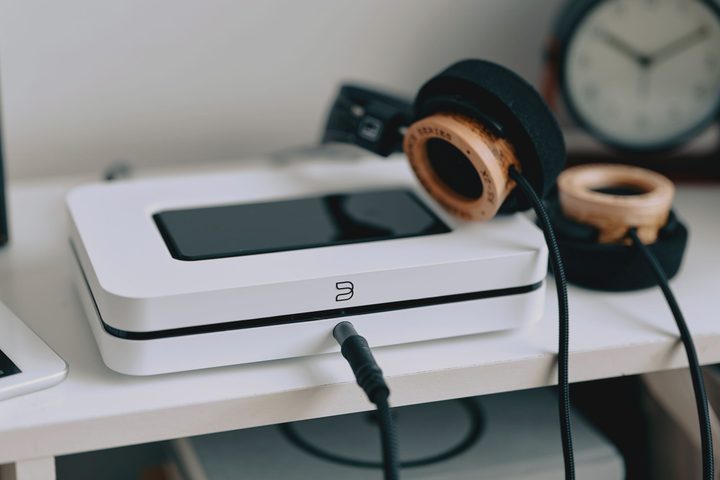
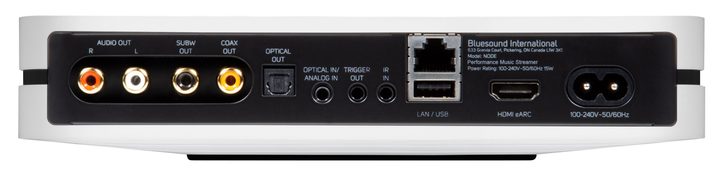
The new Node shares the same design as its predecessor, with proximity-sensing top-mounted touch controls, but has been beefed up internally with the same ESS ES9039Q2M DAC as the Nano and revised circuitry. In addition to the usual selection of analog/digital inputs and outputs, the new Node also gets an HDMI ARC/eARC input for capturing digital TV sound.
The slender streamer also gets a new quarter-inch headphone jack on the front panel that’s powered by a THX AAA-grade amplifier, giving the device a way to drive even the most demanding wired headphones.
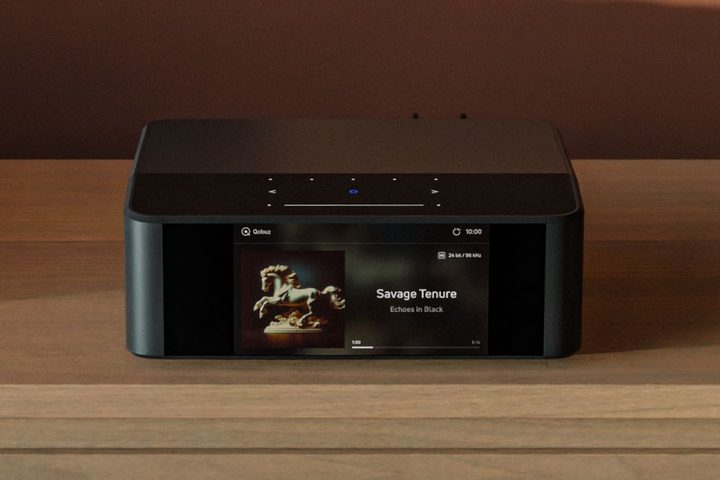
The Node Icon kicks performance up several notches with several high-end features that enthusiasts will appreciate. Instead of a single DAC performing conversion on both stereo channels, the Icon uses two ESS ES9039Q2M chips in mono mode — one for each channel. These twin DACs are further supported by MQA Labs’ QRONO d2a, which corrects any timing errors in the digital-to-analogue conversion process and realigns the timing response to the original recording — arguably the biggest selling point of the MQA format (Lenbrook, Bluesound’s parent company, acquired MQA Labs in 2023.)

Its aluminum chassis houses a 5-inch color display on the front and a full set of touch controls on the top. There are two headphone outputs (one on each side), and around the back are analog and digital inputs and outputs, with the addition of dedicated, balanced XLR analog outputs. Bluesound says these are connected directly to the twin DACs.
Like the new Node, there’s an HDMI ARC/eARC input, and the Icon also gets a second USB port for greater local mass storage access and sharing. Thanks to an included USB-C port, the Icon is the only Bluesound streamer that can take USB audio directly from a PC or Mac, giving users yet another source of content for their hi-fi system.