1. Home
  2. Computing
  3. News

Perplexity to introduce sneaky ads alongside its AI answers

Add as a preferred source on Google
Someone holding an iPhone 14 Pro, with Perplexity AI running on it.
Step aside, Apple Intelligence. Gemini might have you beat. Joe Maring / Digital Trends

It was only a matter of time. “Answer engine” startup Perplexity AI announced on Wednesday that it will begin experimenting with inserting advertisements into its chatbot responses starting next week.

Rather than a standard ad you might be familiar with, however, the platform will instead start showing ads to users in the U.S. in the form of “sponsored follow-up questions and paid media positioned to the side of an answer,” from the company’s advertising partners. Those include Indeed, Whole Foods, Universal McCann, and PMG.
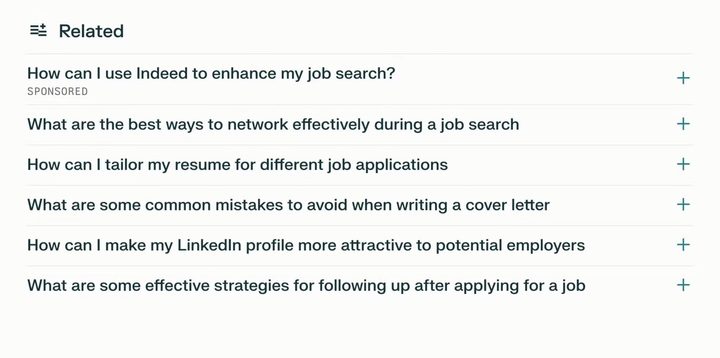
examples of perplexity's advertising idea
Perplexity AI

“Ad programs like this help us generate revenue to share with our publisher partners,” the company wrote in a Wednesday blog post. “Experience has taught us that subscriptions alone do not generate enough revenue to create a sustainable revenue-sharing program … advertising is the best way to ensure a steady and scalable revenue stream.”

Recommended Videos

The startup is quick to point out that all sponsored answers will be clearly labeled as such and that the answers themselves will still be generated by its model, not written or edited by the partner companies themselves.

“We intentionally chose these formats because it integrates advertising in a way that still protects the utility, accuracy and objectivity of answers,” the company wrote. “These ads will not change our commitment to maintaining a trusted service that provides you with direct, unbiased answers to your questions.”

Perplexity’s experimentation comes as the company faces increased competition from OpenAI, which recently released its similar SearchGPT feature, as well as multiple lawsuits over allegations that the company’s data scraping practices amount to copyright infringement on a “massive scale.”

Perplexity has also been served cease-and-desist letters from both The New York Times and Conde Nast over its behavior. Whether advertisers will be willing to overlook those glaring issues remains to be seen. If not, then Perplexity may be limited to its sole existing income source: its $20/month Perplexity Pro subscription.


Andrew Tarantola
Former Computing Writer
Andrew Tarantola is a journalist with more than a decade reporting on emerging technologies ranging from robotics and machine…
Study finds humans will talk to AI ghosts of the dead as reincarnations, and it’s pretty grim
The first AI ghost study is in. The results are about as complicated as you'd expect.
VR Headset, Person, Face

A new study from the University of Colorado Boulder confirms something that sounds both impressive and concerning. People find interacting with AI simulations of their dead loved ones deeply meaningful, and most will come away wanting to do it again.

The researchers call it a "generative ghost," which is a clear reference to generative AI, but I’d still prefer to call it unsettling.

Read more
Apple’s Hide My Email feature has an unfixed bug that leaves email addresses exposed
100% exploitable in limited testing, known since June 2025, and still unfixed as of today.
apple-merging-sign-in-with-apple-hide-my-email-icloud+

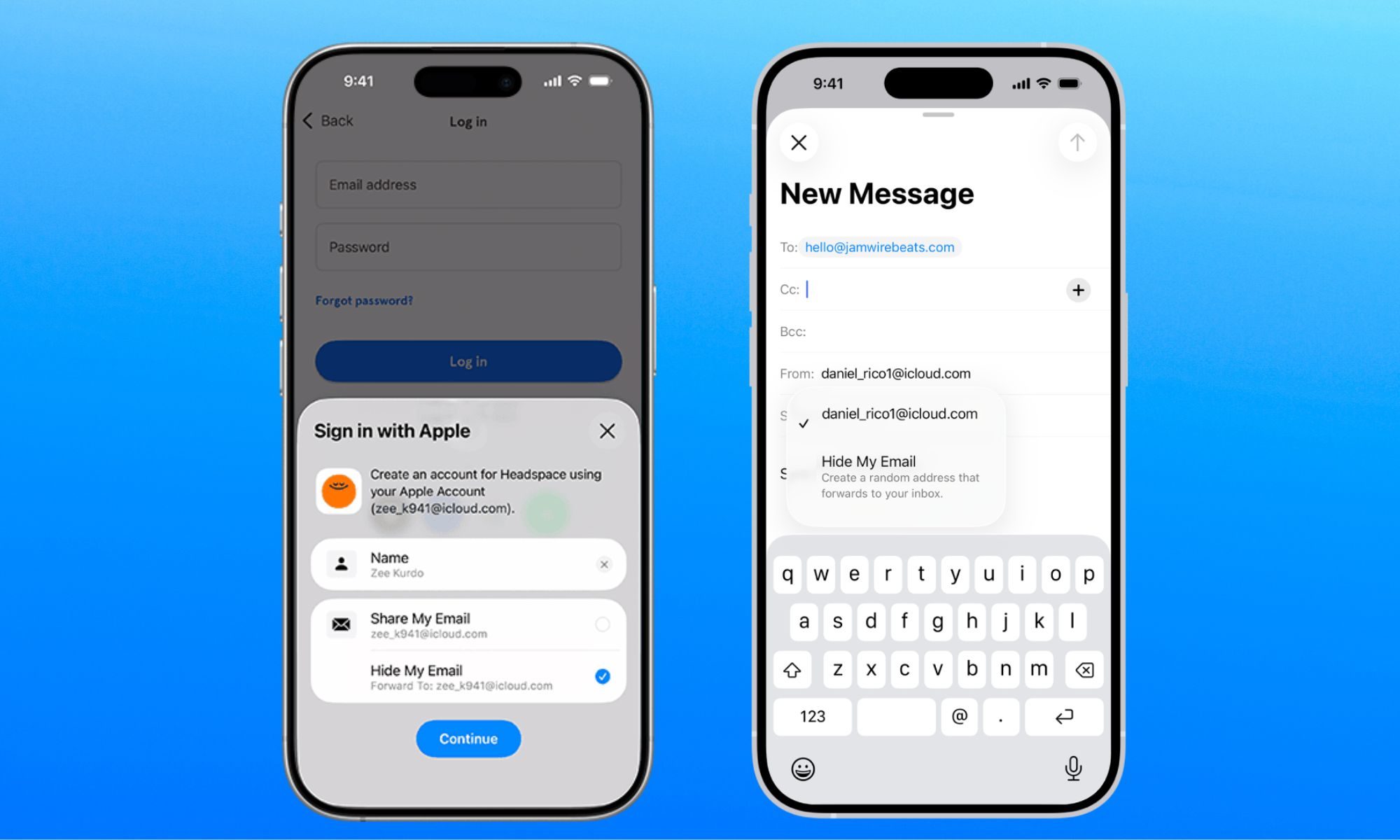
Apple has been selling Hide My Email to keep your real email address hidden, but it has a vulnerability that does the exact opposite. The worst part is that the company has known about it for a year. 

Hide My Email, part of Apple’s paid iCloud+ subscription, lets users generate anonymous email addresses for signing up to a website, so that their personal or work email remains free of promotional emails and spam. 

Read more
I hate sharing my Mac, but a face-unlocking app finally cured my privacy paranoia
Someone finally built the app locker every Mac user has been asking for.
FaceGate in action on Mac

If you have ever handed your Mac to a friend, family member, or coworker for "just a minute," you know the mild panic that follows. Sure, your Mac has a lock screen, but once someone is past it, they can open Messages, Photos, Notes, Mail, WhatsApp, and your browser.

iPhones had the same issue, but Apple solved it by adding an app lock feature with the iOS 18 update. Sadly, no such feature exists for macOS. That’s where the new FaceGate app for Mac can help you. It’s a free and open-source app that lets you lock apps on your Mac and even has some novel tricks up its sleeve. So, let’s talk about it, shall we?

Read more