  1. Home
  2. Computing
  3. News

It’s not just you: ChatGPT is currently down

Add as a preferred source on Google
OpenAI and ChatGPT logos are marked do not enter with a red circle and line symbol.
openAI

OpenAI’s ChatGPT platform and Sora video generator have gone offline and are currently not responding to user queries.

Social media accounts began posting about the outage around 1:30 p.m. ET on Thursday, which coincided with a surge of reports to Down Detector. The company confirmed the outage in a blog post at 2 p.m. ET stating, “we are currently experiencing an issue with high error rates on ChatGPT, the API, and Sora. We are currently investigating and will post an update as soon as we are able.”

Recommended Videos

OpenAI provided that update just 18 minutes later, explaining that, “this issue is caused by an upstream provider and we are currently monitoring.” Just after 3 p.m. ET, the company added, “we are continuing to work on a fix for this issue,” though there is currently no timeline for when service might be restored.

OpenAI has suffered similar outages in the past few months. ChatGPT was knocked offline in a widespread outage in June that also impacted Google Gemini, Anthropic’s Claude, and Perplexity. Earlier in December, the Sora video generation model ran into “technical difficulties” just days after its release to Plus and Pro subscribers. In both cases, the company was able to resolve those respective issues within a few hours.

This outage comes on the heels of the company’s “12 Days of OpenAI” event that saw the release of numerous new products, including the full version of its o1 reasoning model (plus a teaser for its successor, called o3), as well as the Sora text-to-video model, and new capabilities for its Canvas and Advanced Voice Mode features.

Andrew Tarantola
Former Computing Writer
Andrew Tarantola is a journalist with more than a decade reporting on emerging technologies ranging from robotics and machine…
Study finds humans will talk to AI ghosts of the dead as reincarnations, and it’s pretty grim
The first AI ghost study is in. The results are about as complicated as you'd expect.
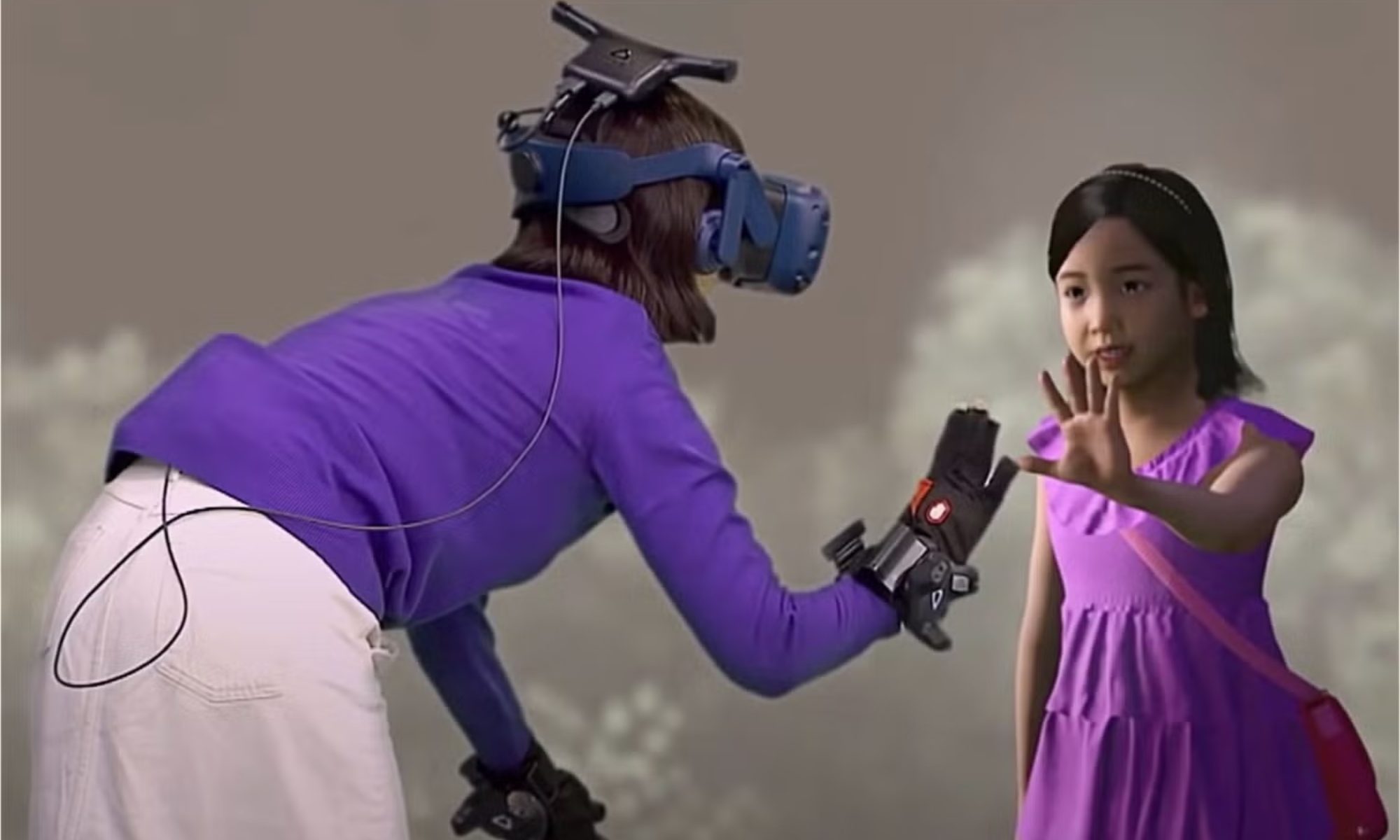
VR Headset, Person, Face

A new study from the University of Colorado Boulder confirms something that sounds both impressive and concerning. People find interacting with AI simulations of their dead loved ones deeply meaningful, and most will come away wanting to do it again.

The researchers call it a "generative ghost," which is a clear reference to generative AI, but I’d still prefer to call it unsettling.

Read more
Apple’s Hide My Email feature has an unfixed bug that leaves email addresses exposed
100% exploitable in limited testing, known since June 2025, and still unfixed as of today.
apple-merging-sign-in-with-apple-hide-my-email-icloud+

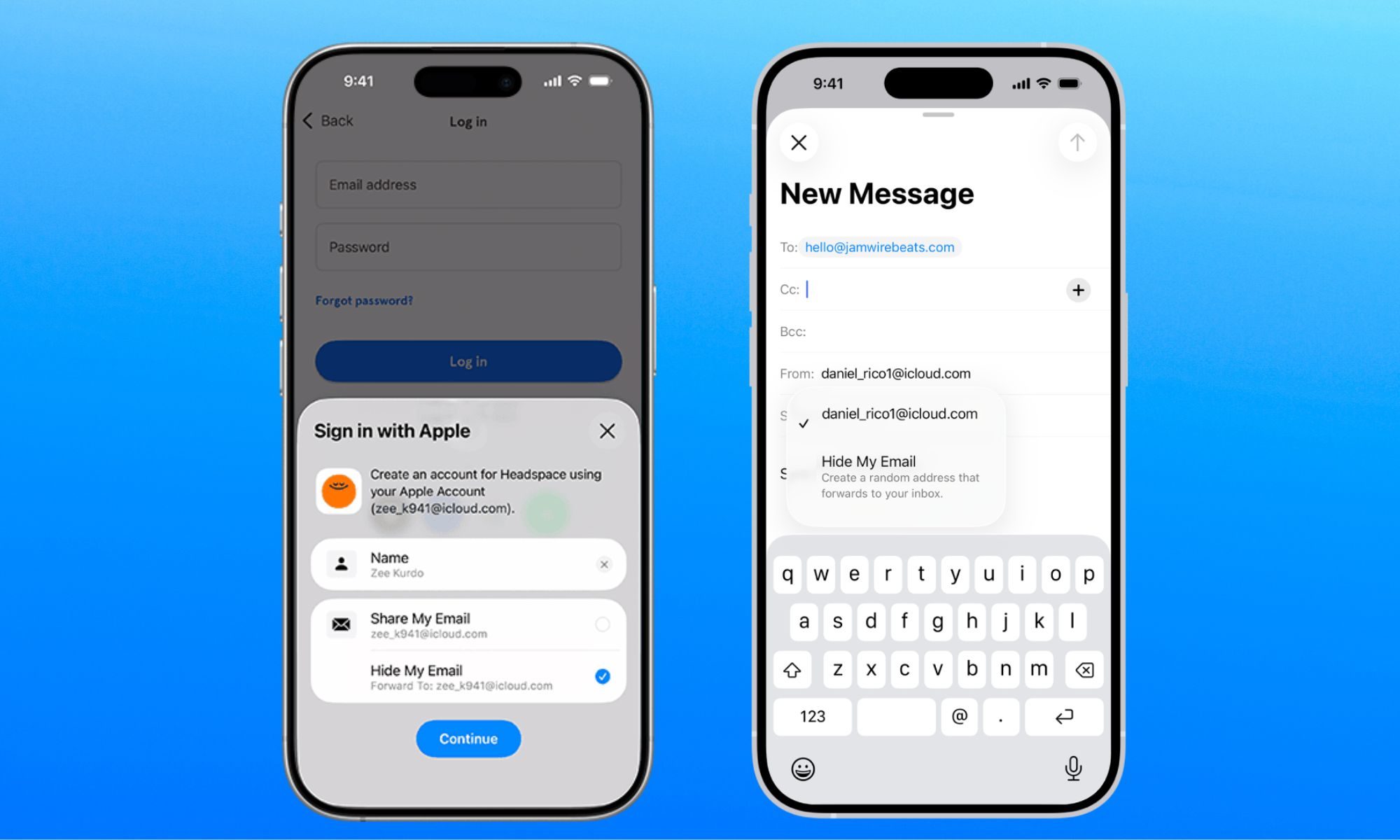
Apple has been selling Hide My Email to keep your real email address hidden, but it has a vulnerability that does the exact opposite. The worst part is that the company has known about it for a year. 

Hide My Email, part of Apple’s paid iCloud+ subscription, lets users generate anonymous email addresses for signing up to a website, so that their personal or work email remains free of promotional emails and spam. 

Read more
I hate sharing my Mac, but a face-unlocking app finally cured my privacy paranoia
Someone finally built the app locker every Mac user has been asking for.
FaceGate in action on Mac

If you have ever handed your Mac to a friend, family member, or coworker for "just a minute," you know the mild panic that follows. Sure, your Mac has a lock screen, but once someone is past it, they can open Messages, Photos, Notes, Mail, WhatsApp, and your browser.

iPhones had the same issue, but Apple solved it by adding an app lock feature with the iOS 18 update. Sadly, no such feature exists for macOS. That’s where the new FaceGate app for Mac can help you. It’s a free and open-source app that lets you lock apps on your Mac and even has some novel tricks up its sleeve. So, let’s talk about it, shall we?

Read more