It’s no secret that Apple’s entry into the AR/VR segment didn’t quite stir the product revolution that the company may have expected. A cumbersome build married to a sky-high asking price for the Vision Pro headset were some of the key woes, but the company has not given up on its dreams.
On the contrary, Apple might even expand into the wearable category beyond the domains of XR itself. According to Bloomberg, the company is working on multiple ideas for smart glasses, both with advanced AR optics and those without a sophisticated display unit.
“Apple is already working on a version of visionOS — the Vision Pro’s software — that will run on glasses,” says the report, which comes courtesy of Mark Gurman’s PowerOn newsletter.
The outlet recently reported on an internal program called “Atlas” that entailed collecting feedback from employees about the market and potential for smart glasses. The idea is to chalk out the plans for what kind of features and perks Apple should ideally offer on a pair of smart glasses.
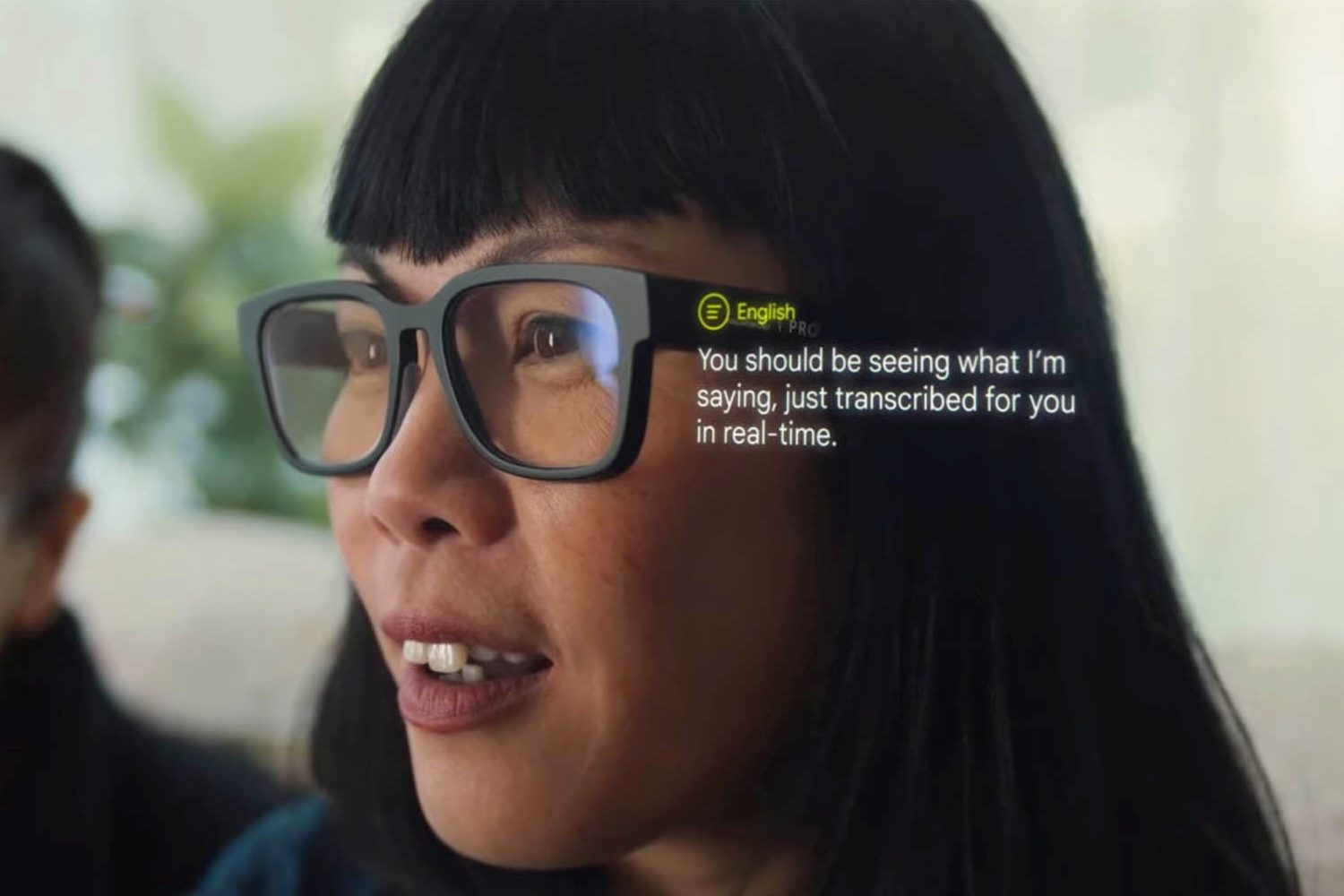
Apple’s work on smart glasses is, once again, late to the domain. Meta has already showcased its Orion AR smart glasses concept, even though it is still a few years from a market release as the company waits for the costs to come down.
Google has also confirmed that it is serious about the potential of smart glasses, with Android XR formally laying down the foundations of those plans. There are a few other players out there, such as Halliday and Even Realities, who are taking a more minimalist course for smart glasses.
It, however, seems that Apple is not merely content with the premise of XR glasses. The company has apparently paid close attention to the smash hit that was the Meta Stories smart glasses, developed in partnership with Ray-Ban.
“It’s also exploring other types of wearable products, including a rival to Meta’s Ray-Ban spectacles and even camera-equipped AirPods,” adds the Bloomberg report.
The Meta smart glasses, equipped with a pair of front-facing cameras, originally arrived as a companion device for social media sharing and serving as a companion for basic tasks like handling calls and music playback.
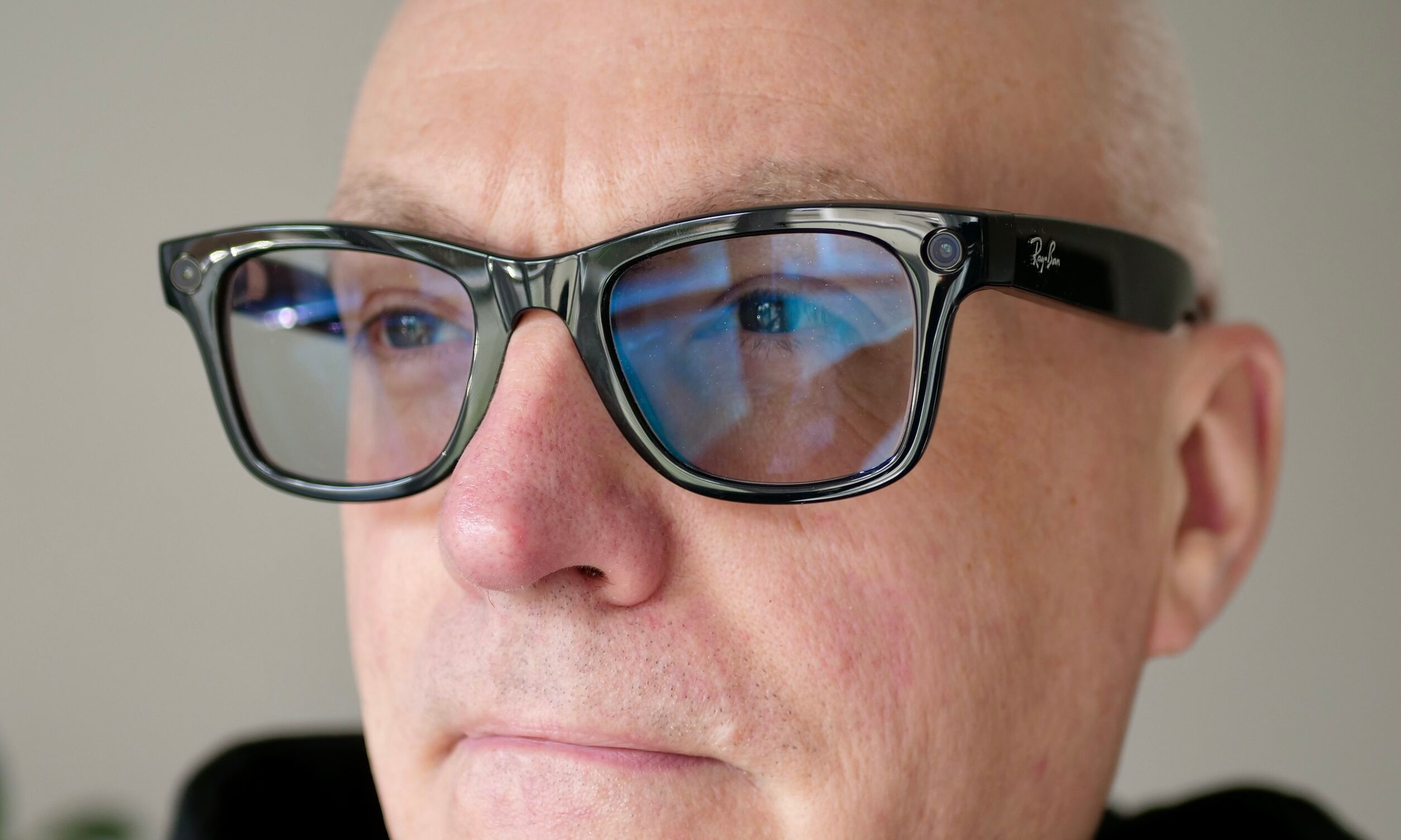
But in the past few months, they have steadily gained new features, including integration with the Meta AI stack that opens a whole new world of interaction and capabilities for users. The company is reportedly working on a successor that will add a screen for deeper immersion in the coming years.
Apple is no stranger to the whole premise. Just look at the Apple Intelligence stack powered by OpenAI’s GPT ecosystem and features like Visual Intelligence that uses AI to make sense of the world in the view of a person’s eyes, and camera sensors aboard a face-worn device like headsets or smart glasses.
However, it is unclear how long it is going to take for Apple to put a pair of smart glasses — with or without XR chops — on the shelves. But given the lukewarm reception it has amassed for its first XR outing with the Vision Pro headset, the company will likely take its own sweet time perfecting its smart glasses and making sure that they stand out from the competition.