1. Home
  2. Computing
  3. News

Meta faces lawsuit for training AI with pirated books

Add as a preferred source on Google
A silhouetted person holds a smartphone displaying the Facebook logo. They are standing in front of a sign showing the Meta logo.
SOPA Images / Getty Images

In a recent lawsuit, Meta has been accused of using pirated books to train its AI models, with CEO Mark Zuckerberg’s approval. As per Ars Technica, the lawsuit filed by authors including Ta-Nehisi Coates and Sarah Silverman in a California federal court, cite internal Meta communications indicating that the company utilized the Library Genesis (LibGen) dataset—a vast online repository known for hosting pirated books—despite internal concerns about the legality of using such material.

The authors argue that Meta’s actions infringe upon their copyrights and could undermine the company’s position with regulators. They claim that Meta’s AI models, including Llama, were trained using their works without permission, potentially harming their livelihoods. Meta has defended its practices by invoking the “fair use” doctrine, asserting that using publicly available materials to train AI tools is legal in certain cases, such as “using text to statistically model language and generate original expression.”

Recommended Videos

Unsealed court documents from February 5th, 2024, in Kadrey v. Meta show Meta (formerly Facebook) illegally torrented 81.7TB of data from "shadow libraries" such as Anna's Archive, Z-Library, and LibGen to train Meta artificial intelligence.

Highlights include:
– A senior AI… pic.twitter.com/Bqf60Hhbb6

— vx-underground (@vxunderground) February 8, 2025

One internal message highlighted in the lawsuit quotes an employee expressing discomfort, stating, “Torrenting from a corporate laptop doesn’t feel right.”

In response to the lawsuit, U.S. District Judge Vince Chhabria dismissed some claims but allowed the authors to amend their complaint to include new allegations, including those related to the removal of copyright management information. This case is part of a broader wave of legal challenges against tech companies like Meta, OpenAI, and Anthropic, where authors and creators are seeking to protect their intellectual property rights in the face of rapidly advancing AI technologies.

The outcome of this lawsuit could have significant implications for the tech industry, particularly concerning the use of copyrighted materials in AI training. It raises important questions about the balance between technological innovation and the protection of creators’ rights.

Kunal Khullar
Kunal Khullar is a computing writer at Digital Trends who contributes to various topics, including CPUs, GPUs, monitors, and…
Buying a monitor? This Mac app can expose problems before the return window closes
Your new monitor may look perfect, but it doesn't hurt to double check.
Screen Test v1.1

Making a brand-new tech purchase doesn't always carry the guarantee of a perfectly functioning unit. But a tiny Mac app called Screen Test can help you find a defect before it gets too late. Screen Test (version 1.1) is a native macOS utility containing more than 25 patterns and diagnostic tools for evaluating built-in and external displays. It can help reveal dead or stuck pixels, backlight bleeding, and other issues. The app works completely offline, so you don't have to rely on browser tabs or an internet connection.

Every pixel gets scrutinized

Read more
The old internet built a museum for dying tech sounds, and it’s somehow still alive
The wonderfully dated site has outlasted many of the noisy gadgets it was created to preserve
Camera, Electronics, Art

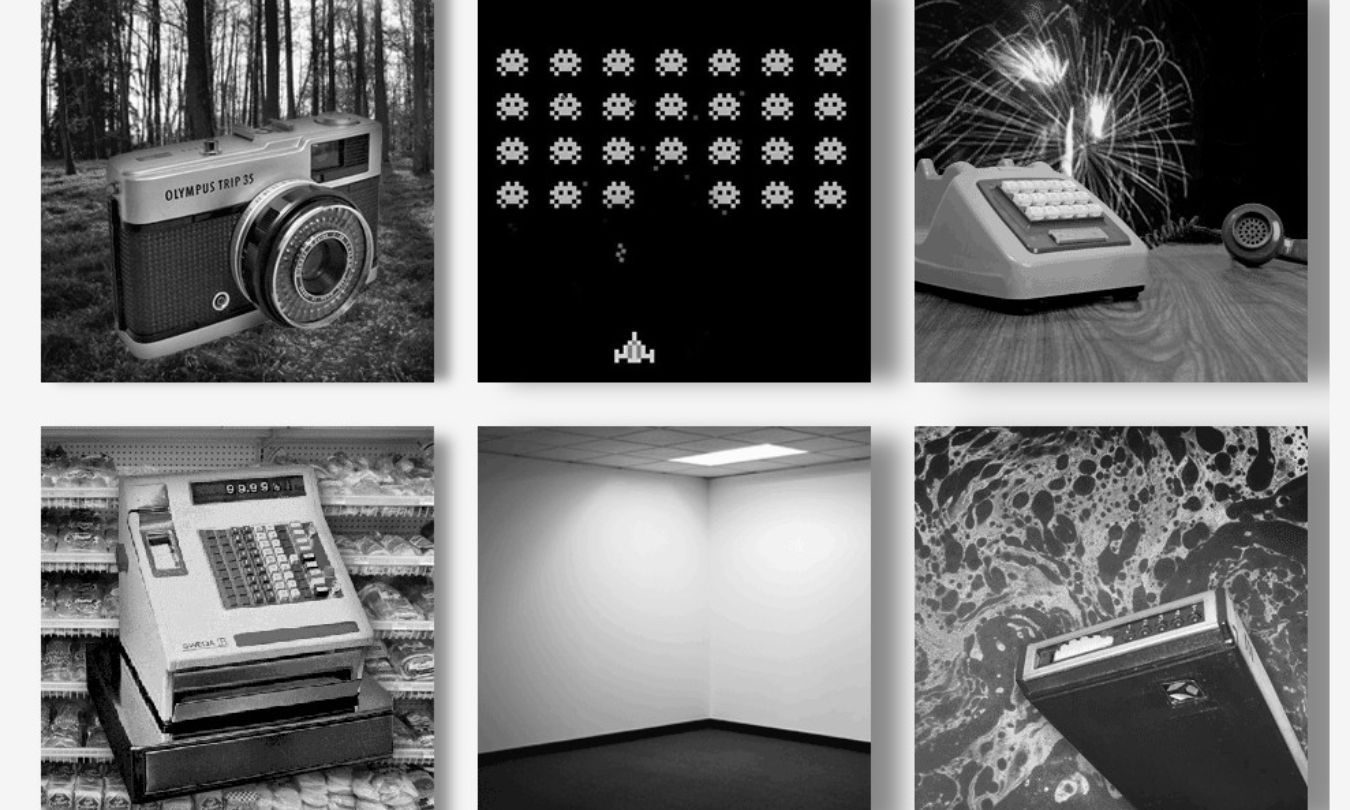
Before our gadgets became silent glass rectangles, they complained constantly. Dial-up modems screeched through every connection, while dot-matrix printers sounded like they were slowly chewing through the desk.

The Museum of Endangered Sounds keeps that irritating soundtrack alive. It first appeared in 2012, but the site is still online 14 years later, inviting visitors to hear technology that has mostly disappeared from everyday life.

Read more
This Mac app can turn every window into a CRT fever dream or a nostalgic Game Boy
Apple doesn't let offer wacky customization on Macs, but Glaze has got you covered.
Glaze 1.9

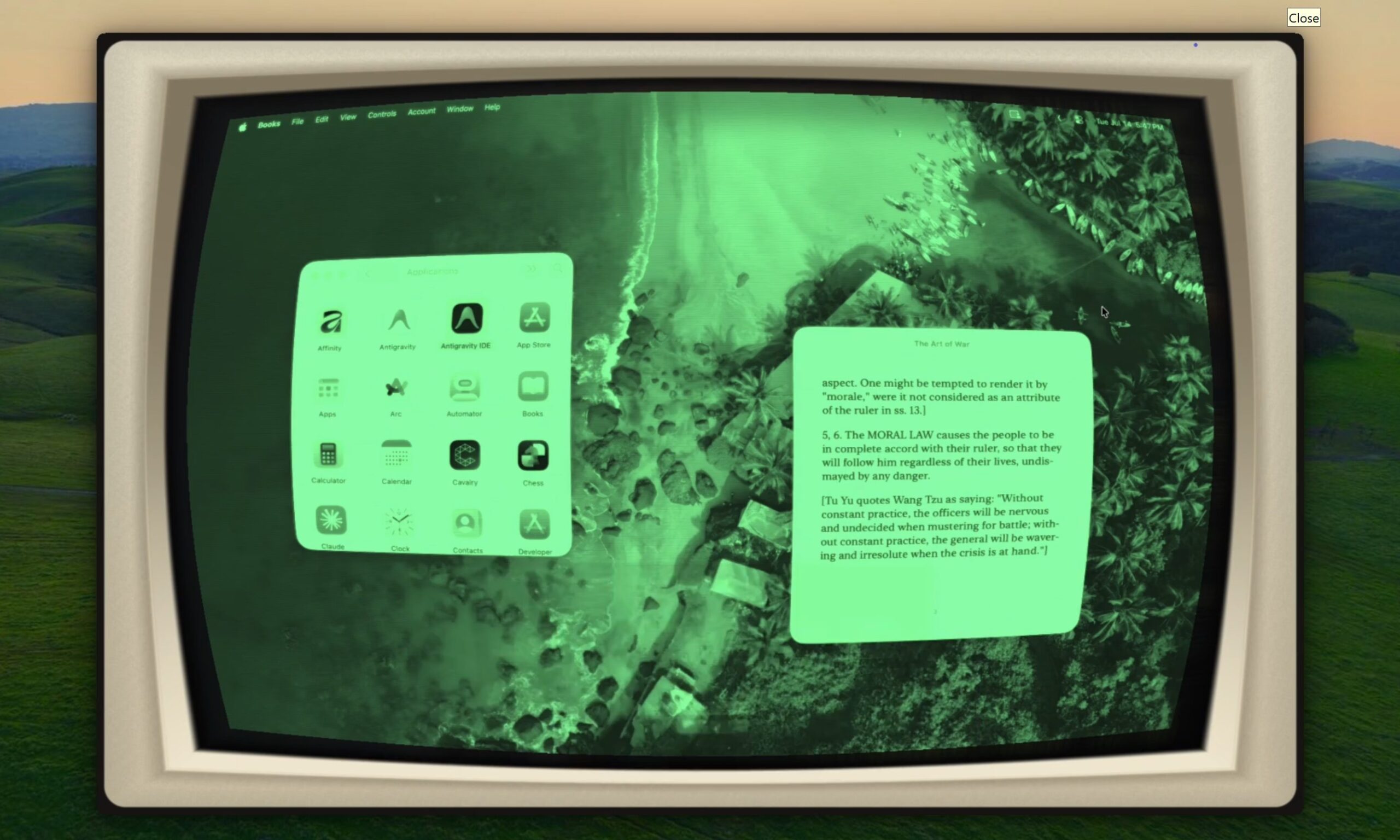
If you're tired of only being able to customize your wallpaper, accent colors, and other basic aspects of your MacBook, an indie called Glaze could be something you might want to try out. The latest release, Glaze 1.9, can transform your Mac's entire live display using more than 50 GPU-powered visual effects. Those include convincing recreations of CRT monitors, Game Boy screens, worn VHS tapes, comic books, oil paintings, old film, vintage paper, and even Sony's Trinitron displays.

Your Mac can finally cosplay as a CRT

Read more