1. Home
  2. Computing
  3. Legacy Archives

Acer unleashes new 1080p HD monitors with super thin frames

Add as a preferred source on Google
acer-monitor_dt
Image used with permission by copyright holder

Whether your monitor is a low-resolution, ergonomically undesirable laptop screen or a puny desktop monitor, you’re missing out on full-sized images, desktop real estate, HD videos, and a slew of other features you can get from Acer’s new H6 monitors. Announced today, the H6 line features full 1920 x 1080p HD resolution IPS display panels with viewing angles of up to 178 degrees. The 21.5-inch H226HQL and the 23-inch H236HL are available now. 
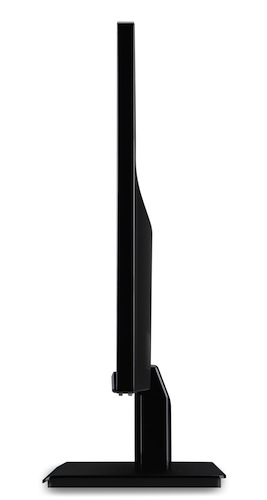
H226HQL_03Did we mention they have a razor-thin frame? Acer says the monitor has a “zero-frame construction” with a bezel of just 0.08-inches, making it perfect for large video walls and multiple monitor set-ups. Not only is the svelte monitor slick-looking, let’s face it; nothing establishes your multi-tasking supremacy faster than a desk with multiple monitors.

Recommended Videos

Each monitor comes equipped with built-in speakers and several ports including HDMI, DVI, and VGA. The new H6 line also features a 100,000,000:1 contrast ratio, 5ms response time for translating your commands to onscreen actions, and the Acer Color Management tool for optimizing the display based on your activities, such as gaming, Photoshopping, Netflixing, or Excelling. Yes, we made up those last three words.

In addition to allowing the display to tilt between -5 and 15 degrees, the stand on the new monitors has a unique feature that we don’t see often: a magnet. The magnetic stand helps keep track of notes, paperclips, and small items so they stay where you put them instead of running off the desk. We love the idea of a magnetic stand because we regularly tinker with our computer and hate having to find a place to put tiny screws where they won’t get lost. 

The 21.5-inch Acer H226HQL monitor is available for $150, and the 23-inch Acer H236HL is available for $180.

Meghan McDonough
Former Contributor
Meghan J. McDonough is a Chicago-based purveyor of consumer technology and music. She previously wrote for LAPTOP Magazine…
Topics
The maker of ChatGPT wants to make open-source projects less of a security bargain
OpenAI launches Patch the Planet for open-source security, with over 30 open-source projects on board.
openai-chatgpt-os

OpenAI has launched Patch the Planet, a new initiative aimed at fixing one of the internet's quietest problems – the chronically underfunded security of open-source software.

Patch the Planet pairs OpenAI's most security-capable AI models with Trail of Bits, a security firm that has committed its entire research organization to the effort, alongside support from HackerOne and Calif.

Read more
I sifted through the Prime Day chaos to find the best Apple deals actually worth buying
Apple's about to hike prices. Prime Day 2026 is your last chance to save up to $150 on MacBooks, AirPods, and iPads.
Prime Day Deals on Apple Products

Apple is set to increase the prices for its upcoming iPhones and MacBooks, as the company can no longer offset the rising RAM and storage costs. That means, if you are looking to upgrade your aging device, you should buy the current-generation Apple products rather than wait for the new ones.

And since Amazon Prime Day is offering good discounts on the latest iPhones, iPads, MacBooks, and other Apple accessories, this is the perfect time to buy them. Here are my favorite Amazon Prime Day deals for Apple products. 

Read more
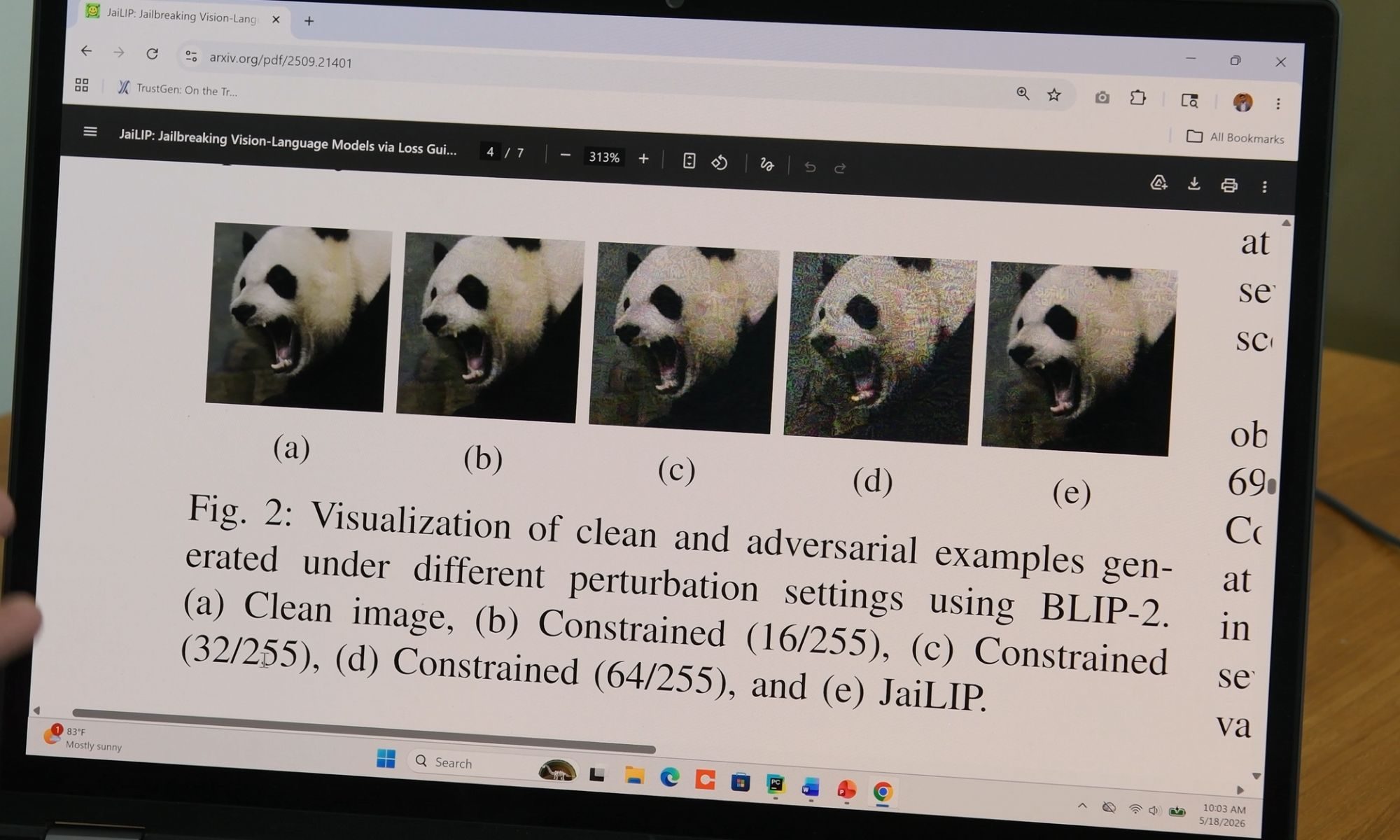
This sneaky photo trick gets AI chatbots to ignore their safety rules
Florida International University researchers built a method that nearly doubled the rate of harmful responses from a tested AI model using nothing but pixel-level edits in an image.
JaiLIP AI chatbot exploit image

A photo that looks completely ordinary to you could carry a hidden instruction to trick an AI chatbot into ignoring its safety rules, according to new research out of Florida International University. The study found that pixel-level alterations in an image that are invisible to the human eye can be enough to confuse the model reading the image and lead it to generate responses it would normally block.

Hacking what the AI sees

Read more