Of all the iPads that I have used so far, the baseline iPad continues to surprise me. Over the past half a decade, I have made a habit of picking the entry-level variant to see if a slate that costs $350 can get the job done.
It handled my workflow just fine, usually after spending over a hundred dollars on a keyboard case. It survived WordPress, Asana, Teams, Photoshop, Adobe Express, and Canva. Also, some darn poor attempts at sketching.
But over the past few years, the schism between the baseline iPad and its Pro and Air siblings has grown. Features like Stage Manager, ProRes video capture, and software availability have widened the experience gulf.
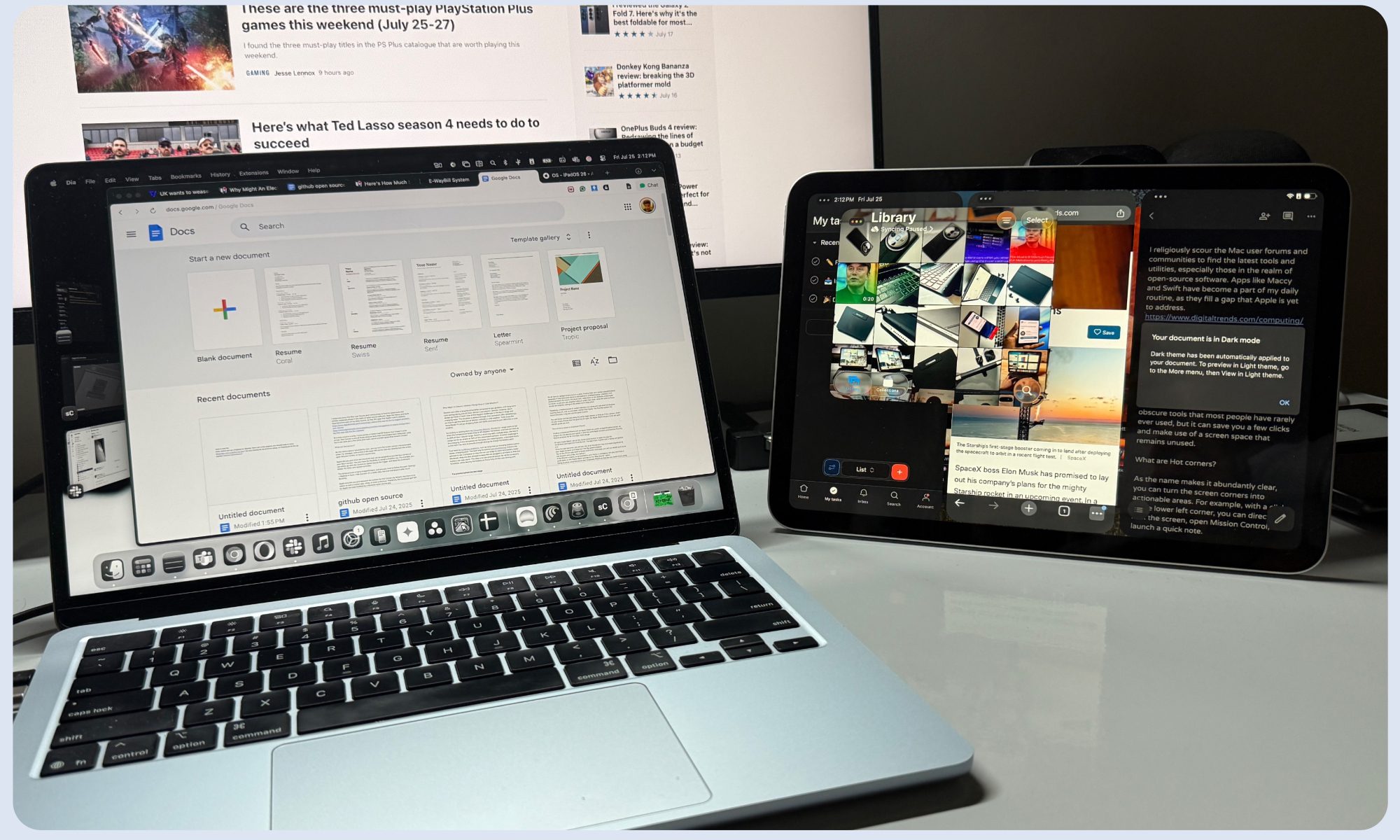
Thankfully, iPadOS 26 didn’t widen the rift. Instead, it added more productivity tricks to the entry-level iPad, and I absolutely love it.
iPadOS 26 is great news for the cheapest iPad
The most obvious change that the latest iPadOS update brings is the new design language. Apple calls it Liquid Glass. I am not a huge fan, but against a dark wallpaper with dark transparency effect, it actually doesn’t look half bad.
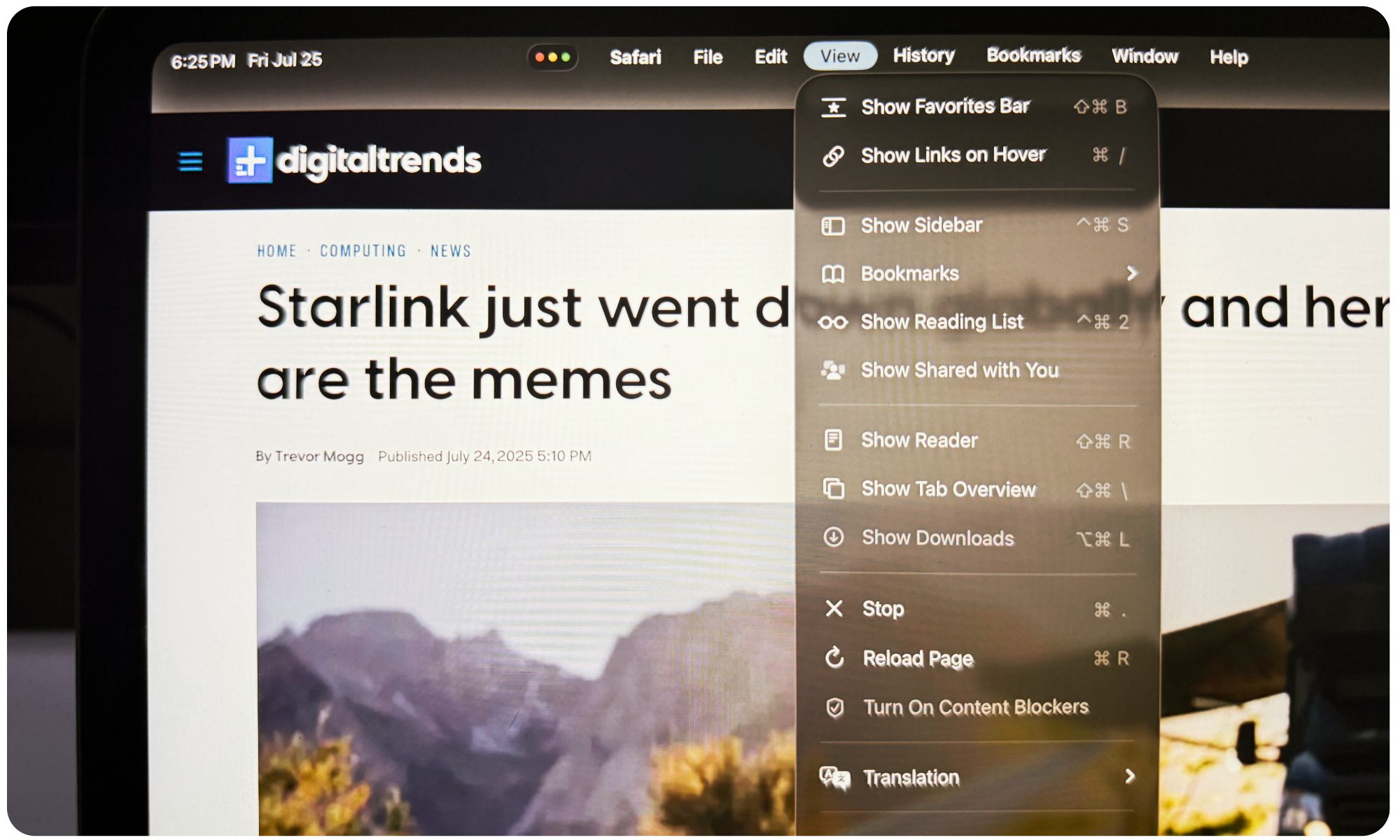
The real upgrade, however, is the productivity boost. With iPadOS 26, Apple introduced a more macOS-like approach to handling in-app functionalities. Now, instead of digging into the Settings app or complex menu pages, each app can flesh out its tools in the form of a menu bar at the top.
The approach is almost identical to macOS, save for the distinct solid color bar on Macs, and a disappearing menu bar item list at the top in iPadOS. There is still a bit of overlap, as some apps offer the same set of controls right at the top, and underneath the menu bar.
But I believe the clutter will not last long. As developers embrace the new Menu bar design, they will remove the tools and functionalities that would otherwise take up space on the main app view, leaving more space for getting work done.
It won’t be a straightforward journey, as some developers would be averse to the idea, especially if they want to maintain a familiar design language across Android, iPadOS, and desktop versions of their software.
But for users within the Apple ecosystem, especially those who use a Mac for day-to-day work, the latest iPadOS 26 change will be a welcome change, irrespective of whether it’s an expensive iPad Pro in their hands, or the entry-level iPad.
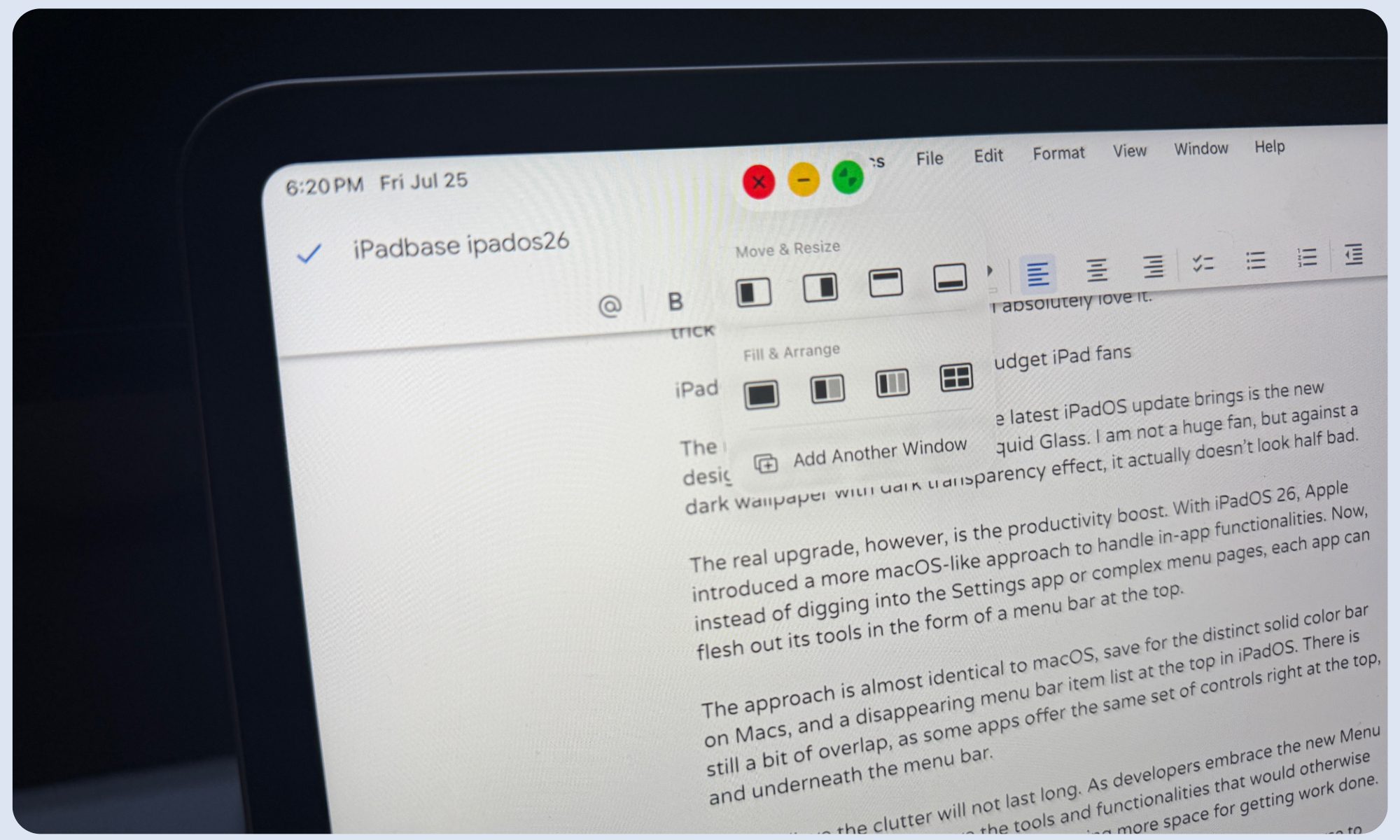
Another underrated perk is the new three-button window sizing and tiling control, which has again been borrowed from macOS. I often run into scenarios where I need to launch another app for a quick Google Search, answer a Teams message, or reply to an email while watching content.
For such scenarios, the preset tiling options offer a sigh of relief from the janky drag-to-resize system, which is still quite stiff on the iPad software. Oh, by the way, the flick-to-tile system for split-screen adjustment works perfectly on the iPad. And that brings us to…
A more rewarding multi-tasking approach
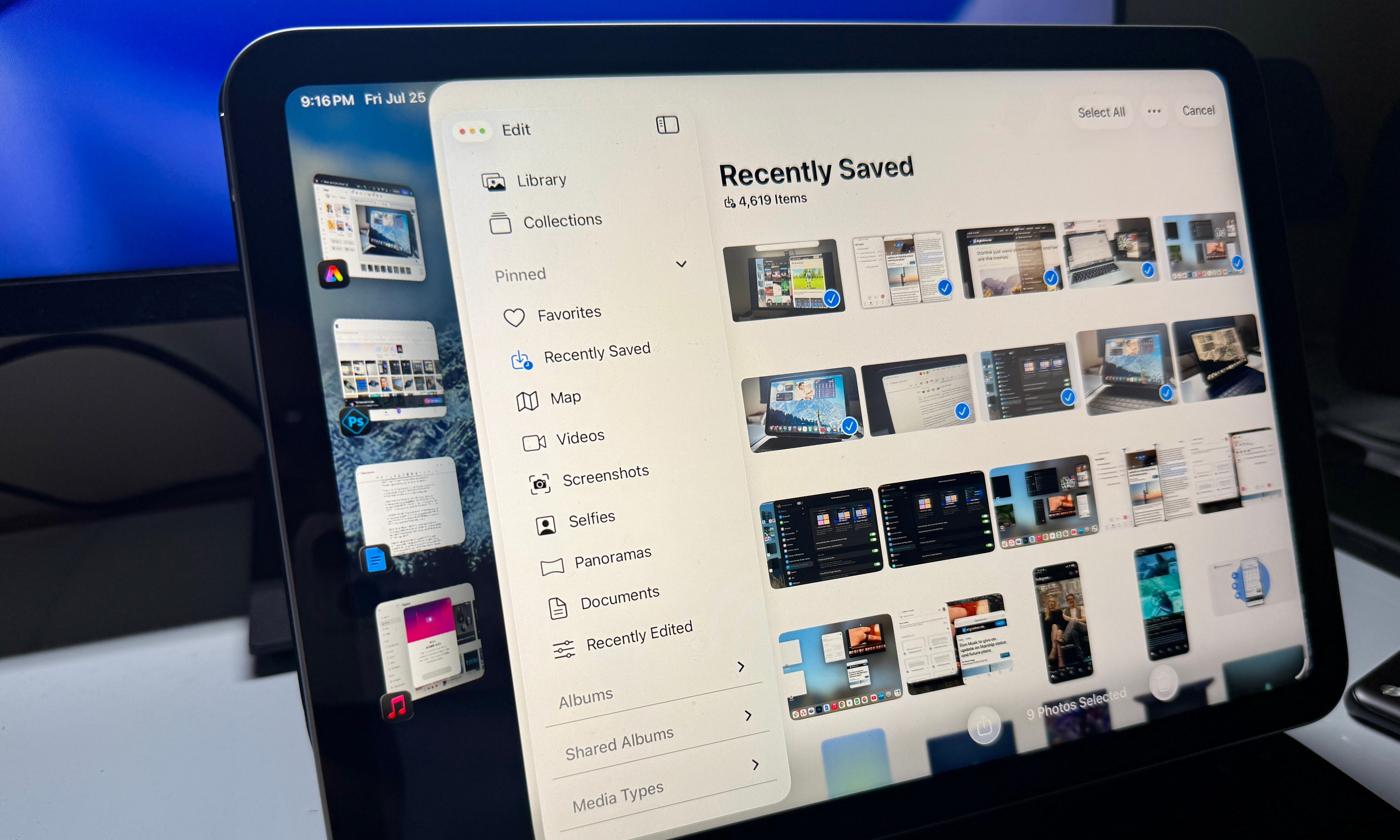
The moment I switched to the beta build of iPadOS 26 on my 11th Gen iPad, I got a pleasant surprise. Stage Manager was working on it, and so was the new Windowed app system that lets you view all the clustered apps in an Expose view.
So far, Apple has kept Stage Manager locked to the iPad Pro and the iPad Air, predominantly offering it on tablets with the M-series processors. It’s pretty surprising to see that Apple silently added it to the baseline iPad, despite its tight CPU and memory situation.

Technicalities aside, the whole system works fine, just the way it unfolds on my iPad Pro. I could even switch between the vanilla, Stage Manager, and Windowed app view with ease, right from within the Control Center.
Thanks to iPadOS 26, you can finally resize app windows freely and save them in multi-app clusters. I haven’t run into any situations so far where the grouped apps crashed or had any background activity issues.
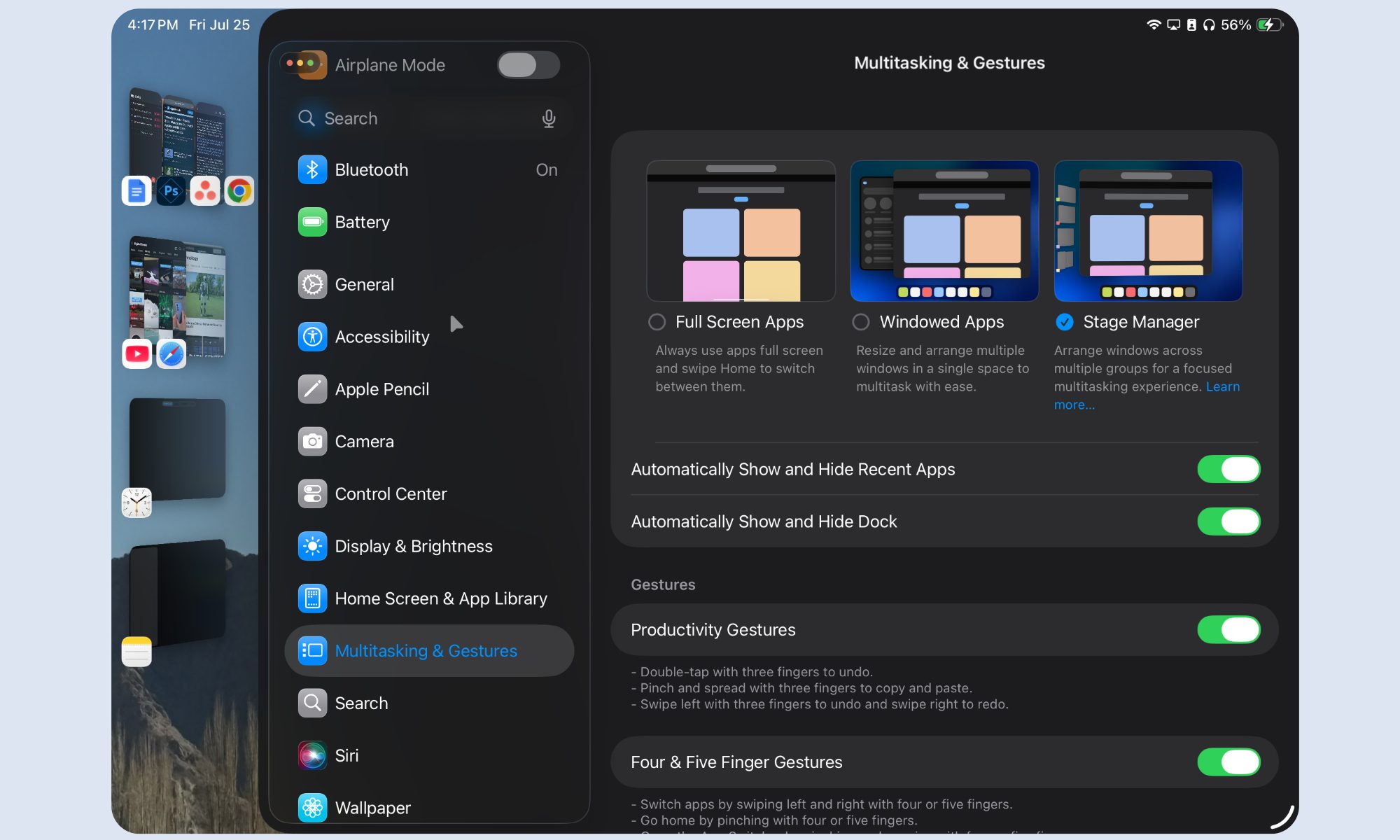
I believe if you’ve ever held back on the basic iPad because it lacked the intuitive app multi-tasking systems, such as Stage Manager, now is the time to cast away those apprehensions. Paired with an iPad, the whole workflow is now flawless — as long as you can work on a screen that is roughly 11 inches in size.
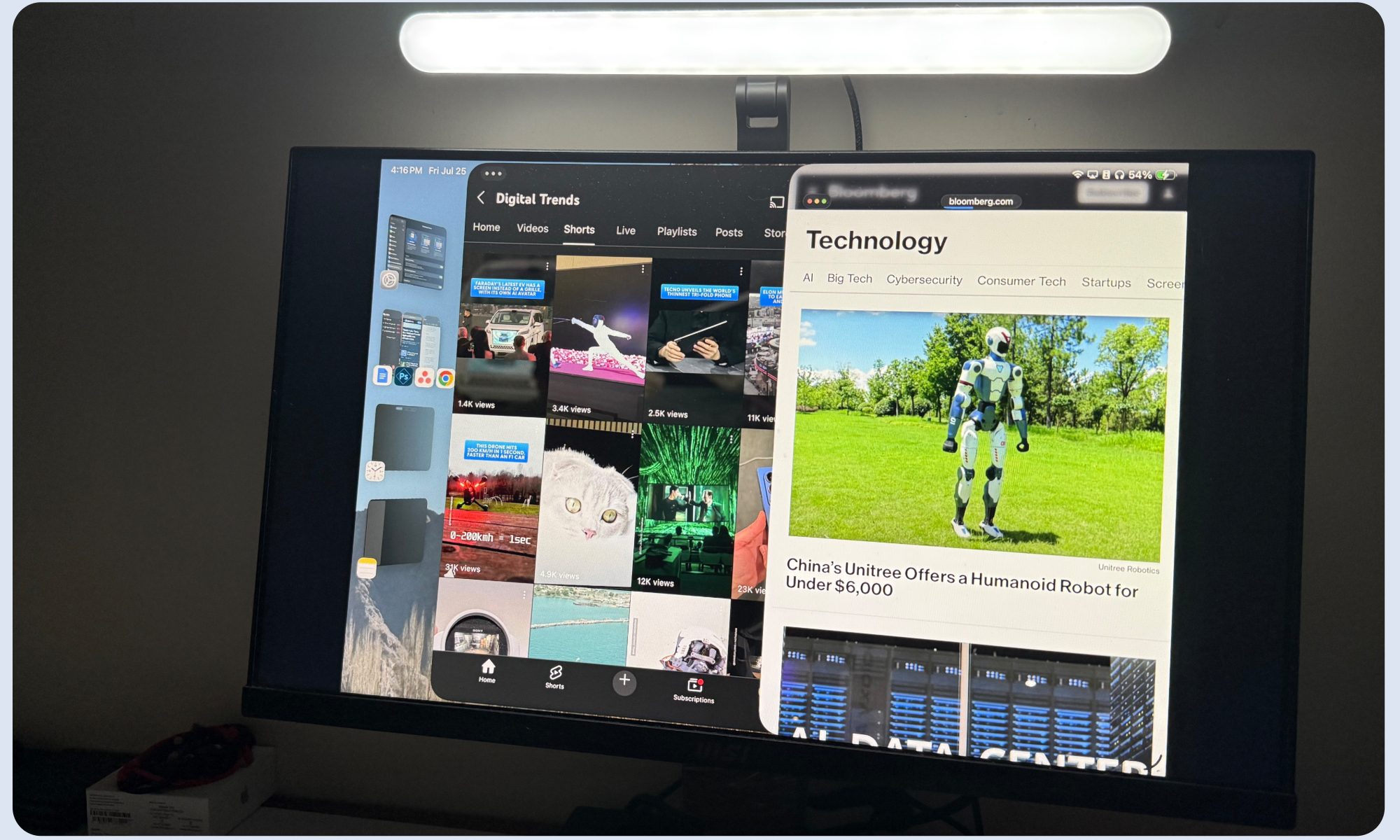
The only drawback is that, unlike an iPad Pro or Air, external display support is not available on the baseline iPad. As soon as you plug into a monitor, the iPad simply mirrors its screen, but doesn’t offer extended display controls, and the UI doesn’t pan out across the entire external display either.

It’s not ugly, and with dark mode enabled, the black letterboxing merges seamlessly with the background. But still, it’s unused space that kept bothering me, primarily because it could go towards slightly more spacious app windows, or just more app instances.
At the end of the day, I am extremely happy that iPadOS 26 not only reimagined the design and functional elements of the software but also enabled features that have so far remained exclusive to the expensive iPads. The delay was cumbersome, but I’m glad it’s all finally here, and I’m simply loving the experience on my budget iPad.