1. Home
  2. Space
  3. News

Meet the astronauts who could be heading to the moon, or even Mars

NASA announced the new intake of astronauts on Monday.

Add as a preferred source on Google
NASA Selects 2025 Astronaut Candidates

NASA has introduced its newest astronaut selections for the next era of space exploration.

At a special event at the Johnson Space Center in Houston on Monday, the American space agency unveiled the 10 individuals who beat off competition from around 8,000 applicants.

Notably, the intake for the first time includes more women than men, and one member of the group, Anna Menon, has already been to orbit as part of a private mission, marking another first first. Menon flew with billionaire Jared Isaacman on the SpaceX Polaris Dawn mission last year, which made history with the first-ever private spacewalk.

Aged from 34 to 40, one or more of this year’s intake could be among the first humans to visit the moon as part of the NASA’s Artemis program. The first of the missions to return humans to the moon for the first time in five decades is Artemis III, which is currently scheduled to launch no earlier than 2027, though that date could slip. Some of these astronauts could even fly to Mars on the first human mission to the red planet.
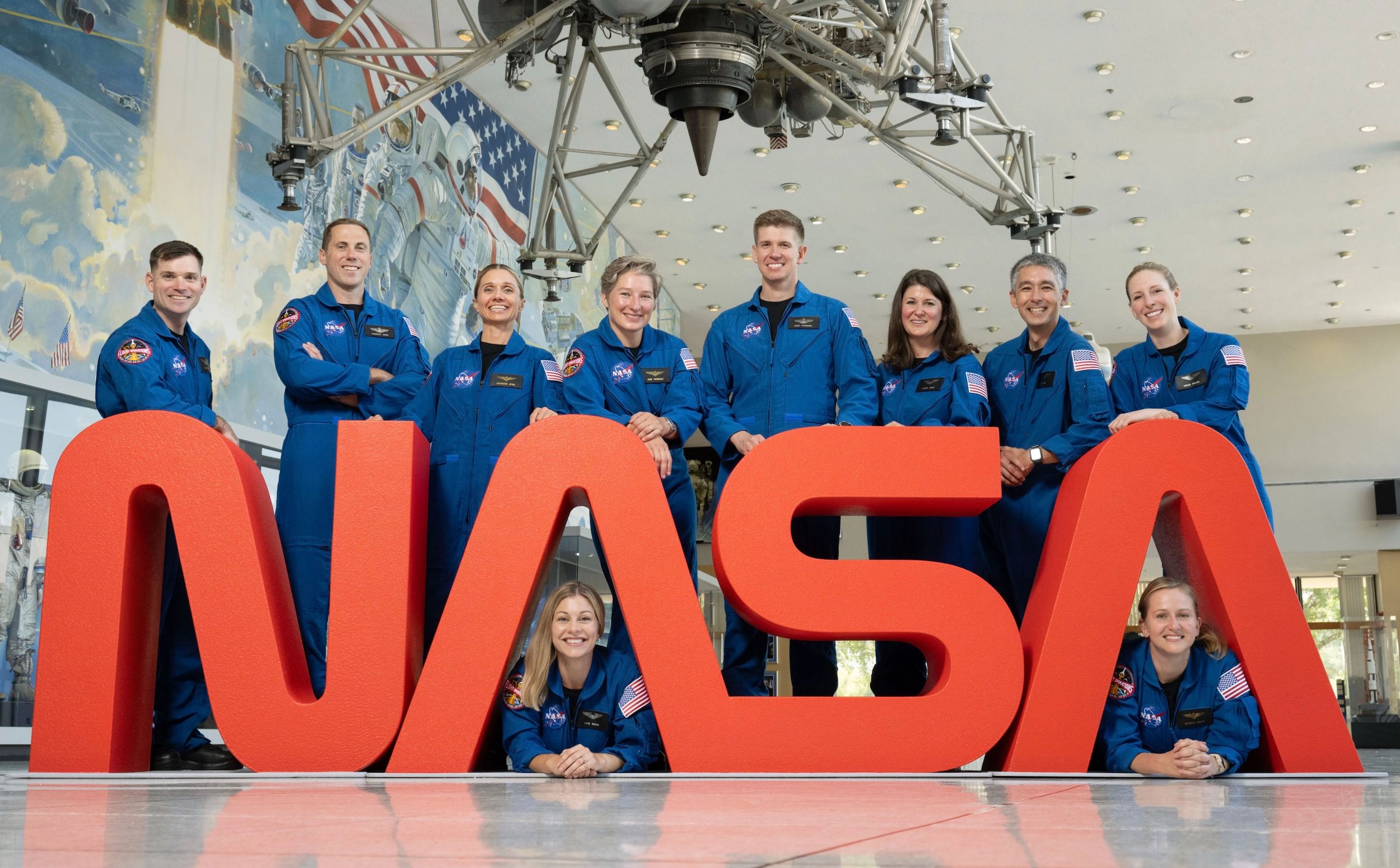
Acting NASA chief Sean Duffy welcomed the all-American group.

“I’m honored to welcome the next generation of American explorers to our agency,” Duffy said. “More than 8,000 people applied — scientists, pilots, engineers, dreamers from every corner of this nation. The 10 men and women sitting here today embody the truth that in America, regardless of where you start, there is no limit to what a determined dreamer can achieve — even going to space.”

Announced every four years or so, the agency’s latest astronaut class — the 24th in its history — reported for duty at NASA Johnson last week to start two years of intense training.

NASA said the curriculum includes “instruction and skills development for complex operations aboard the International Space Station (ISS), Artemis missions to the moon, and beyond. Specifically, training includes robotics, land and water survival, geology, foreign language, space medicine and physiology, and more, while also conducting simulated spacewalks and flying high-performance jets.”

Once they’ve graduated, the 2025 class will join the agency’s active astronaut corps and wait for placements on ISS and Artemis missions.

Trevor Mogg
Contributing Editor
Not so many moons ago, Trevor moved from one tea-loving island nation that drives on the left (Britain) to another (Japan)…
NASA is investing $590 million in private contractors to build humanity’s first Moon outpost
NASA is counting on private companies to land its Moon Base dream.
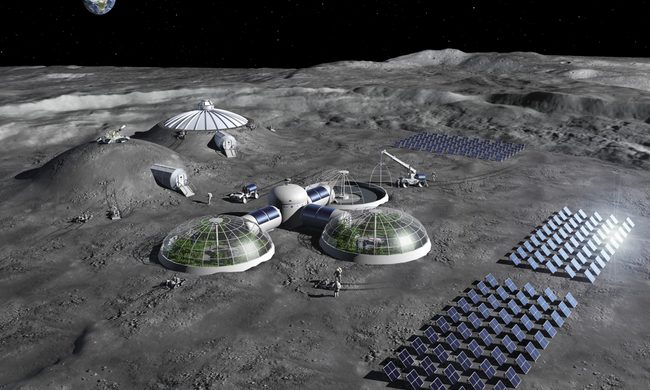
Artist impression of a Moon Base concept, with solar arrays for energy generation, greenhouses for food production, and habitats shielded with regolith.

Building a permanent base on the Moon sounds like science fiction, but NASA is making it feel a lot more real. The agency just handed $590 million in contracts to three private companies for four uncrewed lunar lander missions launching in late 2028.

These missions are part of Phase 1 of NASA's broader $30 billion Moon Base program, which needs to deliver landers, rovers, and scientific cargo up there before astronauts eventually move in. These efforts are closely tied NASA's Artemis program, which sent humans on a lunar flyby in April for the first time since the Apollo era.

Read more
Getting to Mars may require a pit stop in orbit, and NASA just tested the nozzle to make that happen
A gas pump nozzle for spacecraft sounds simple. It is not, and that's what makes this test worth paying attention to.
Architecture, Building, Factory

Getting a spacecraft to Mars or beyond requires an enormous amount of fuel, most of which has to be hauled from Earth, adding to the overall cost and weight of the spacecraft. NASA has been working on a different approach, one that could be more efficient and effective.

It wants to refuel a spacecraft in orbit before heading out for the mission. What’s even more interesting is that the space agency just finished testing a component that could make that possible: a cryocoupler.

Read more
Elon Musk’ Starlink could soon offer mobile services as a US carrier
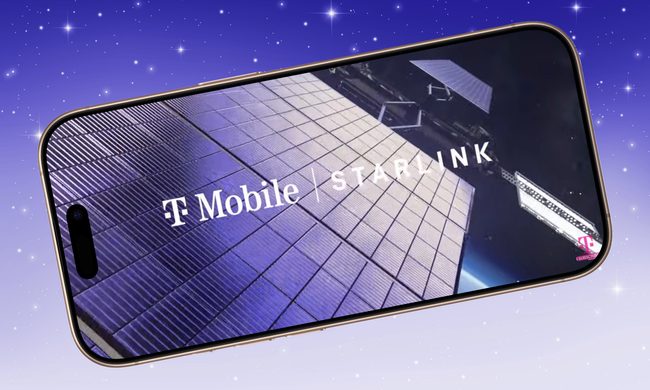
Showcase of T-Mobile Starlink service on an iPhone.

Elon Musk’s Starlink has already changed how millions of people access the internet, especially in places where traditional broadband struggles to reach. Now, the satellite internet service could be preparing for an even bigger leap — becoming your mobile carrier.

According to a Financial Times report, SpaceX has told investors it’s considering launching a retail Starlink mobile service in the US. Instead of simply partnering with wireless carriers, the company could begin selling mobile plans directly to consumers, putting it in direct competition with Verizon, AT&T, and T-Mobile.

Read more