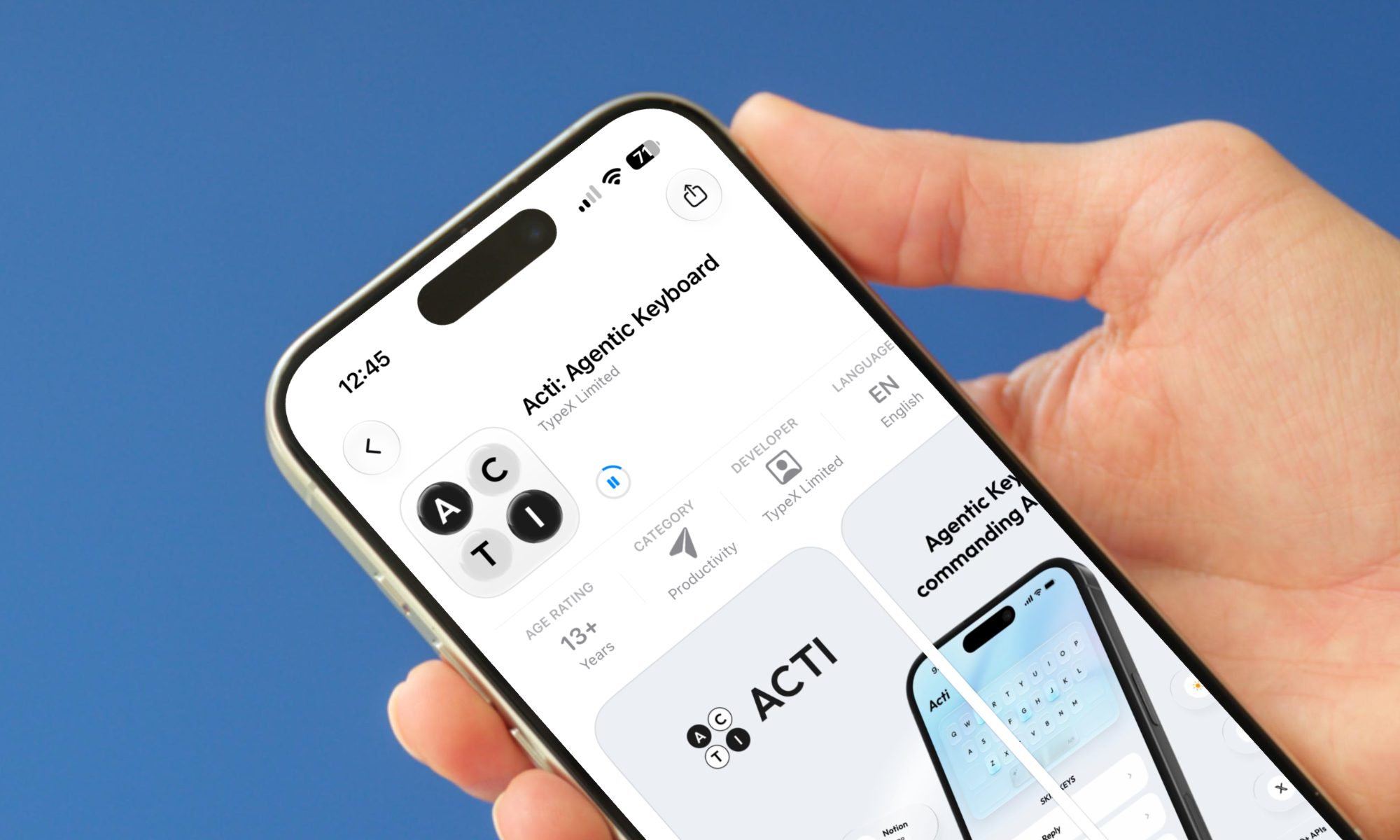
This year’s new iPhone lineup is unique as each phone offers something distinct. The iPhone 17 Pro and iPhone 17 Pro Max push the boundaries in several areas, while the regular iPhone 17 offers the best value in its price range. Yet, the most interesting is undoubtedly the new iPhone Air.
Apple followed Samsung and Tecno in launching an ultra-thin phone that delivers a pro-like experience, albeit with several trade-offs that you must accept in this form factor. Given the ultra-thin profile, you won’t get the full suite of features available in the best phones, but rather, each company compromises in different ways.
For the iPhone Air, Apple opted for a single camera, a smaller battery — albeit with superfast charging — and throttled performance in a bid to define what’s possible when you go really slim. The result is a phone that’s an engineering marvel, albeit one with many compromises, some of which could be dealbreakers.
If the ultra-thin form factor isn’t enough to sway you, here are five alternatives to the iPhone Air!
Galaxy S25 Edge
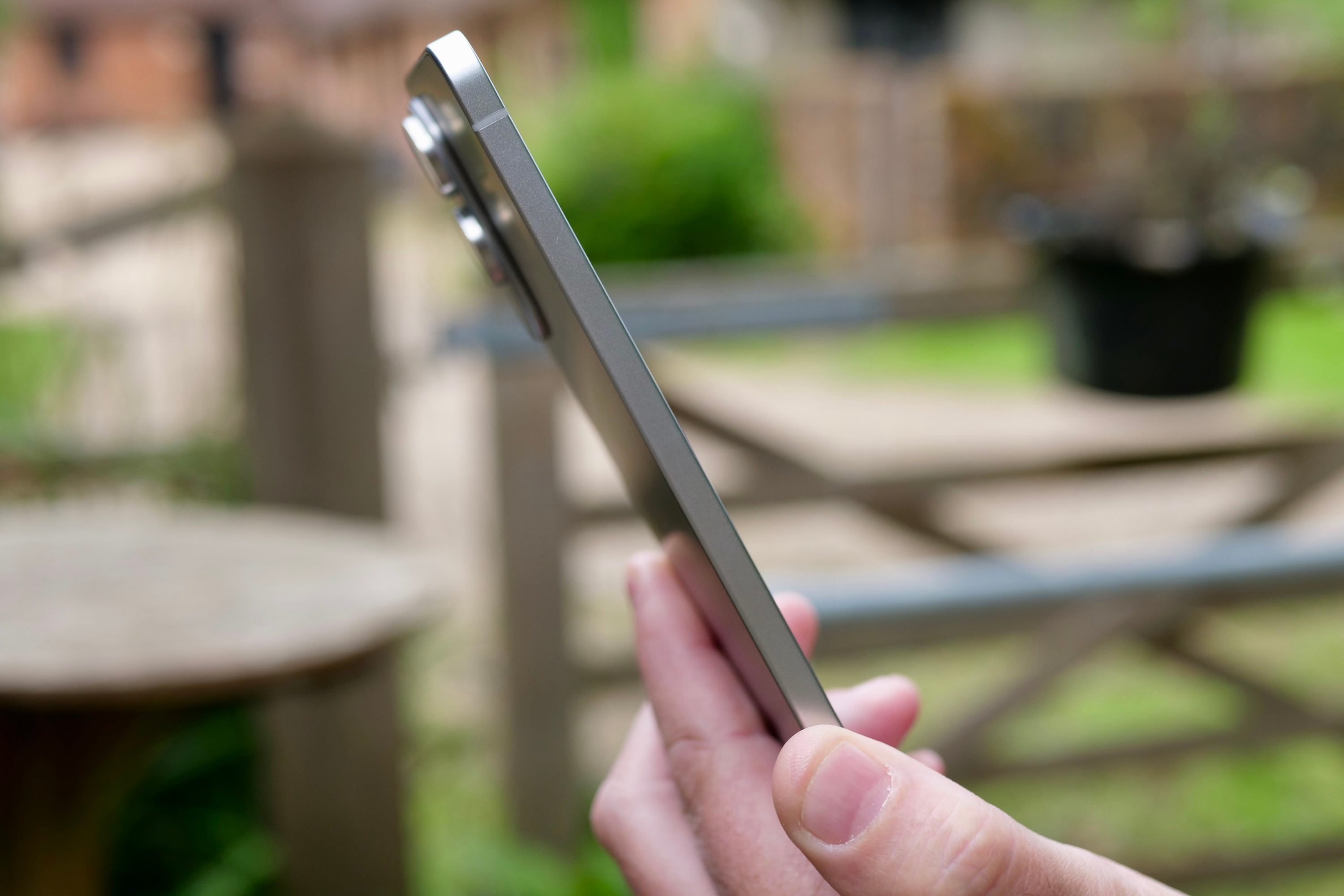
If the ultra-thin iPhone Air design is a must-have for you, look no further than across the aisle at Samsung, which has comparable ultra-thin phones in both standard and folding form factors.
The Galaxy S25 Edge was the first commercial ultra-thin phone, measuring 5.8mm thick, which is 1.36mm thicker than the iPhone Air. It also weighs two grams less than Apple’s ultra-thin phone, despite offering several advantages.
The Galaxy S25 Edge features a boxier design, unlike the sloped edges of the iPhone Air; however, it also incorporates two cameras into its ultra-thin body and boasts a larger 3,900 mAh battery compared to the iPhone Air.
The 200MP main camera offers the same range as the flagship Galaxy S25 Ultra camera powerhouse, while the 12MP ultrawide camera is a useful addition, especially since the iPhone Air lacks it. The added technology doesn’t come cheap; the Galaxy S25 Edge starts at $1,099, $100 more than the iPhone Air.
Galaxy Z Fold 7
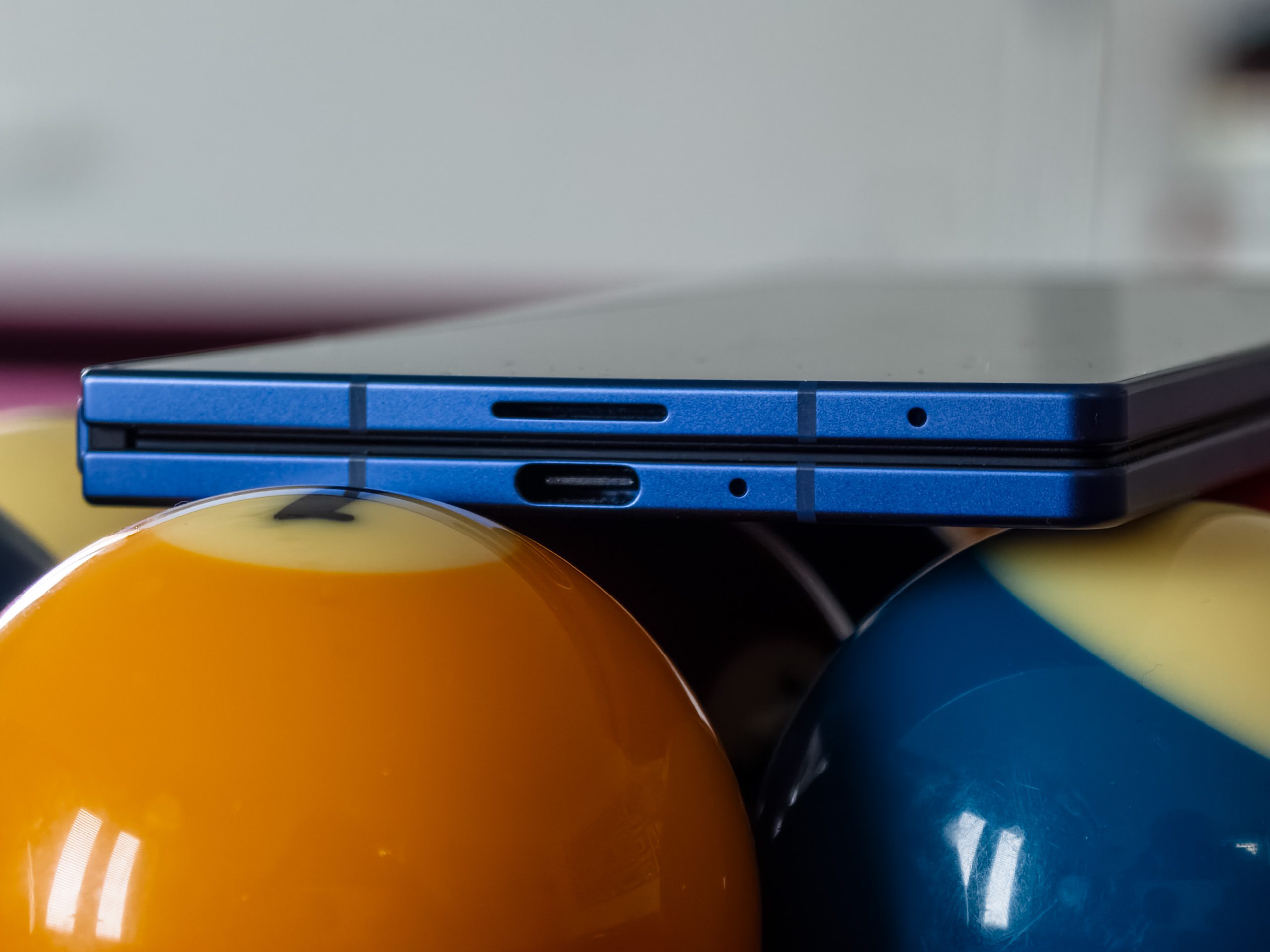
From ultra-thin phone to ultra-thin folding phone, and if you’re impressed with the iPhone Air, the Galaxy Z Fold 7 is sure to impress.
The best folding phone measures just 4.2mm thick when unfolded, and at 8.9mm thick when folded, it’s almost as thin as a regular smartphone.
Yes, it weighs considerably more at 215 grams, but if you want a phone that can do significantly more than the iPhone Air — yet still packs an equally enchanting wow factor — there’s no better choice.
These added features include the same 200MP camera as the Galaxy S25 Edge, a secondary 8-inch OLED display with a virtually indistinguishable crease, and a 10MP telephoto lens that offers up to 3x optical zoom. There’s also a large 4,400 mAh battery and 25W wired charging, but there’s one key problem: it costs twice as much as the iPhone Air, starting at $1,999.99.
Apple iPhone 17 & iPhone 17 Pro
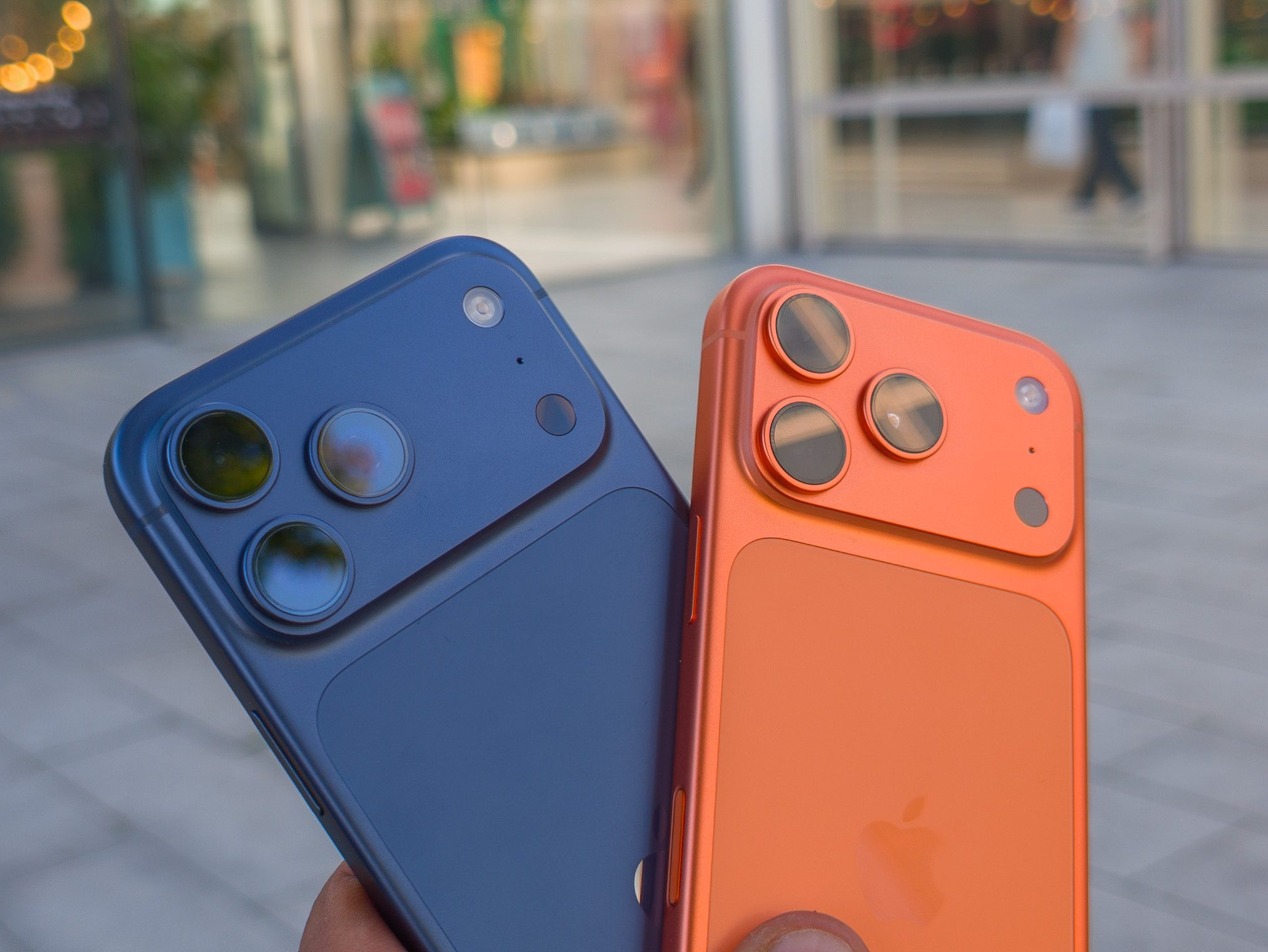
If you’ve used the iPhone Air, you may decide that the trade-offs for an ultra-thin body aren’t worth it. If that’s you — especially if this is your first iPhone and you want to continue using iOS 26 — consider the iPhone 17 and iPhone 17 Pro.
Apple chose this year to unveil a major revamp for the iPhone 17, meaning that the experience is very similar to the iPhone 17 Pro, except starting at $300 less. Both phones feature the same 6.3-inch Super Retina OLED display — slightly smaller than the 6.5-inch display on the iPhone Air — complete with a peak brightness of 3,000 nits and a dynamic refresh rate of up to 120Hz.

The key differences come in the cameras: both phones feature the same 48MP wide camera as the iPhone Air, but they are also equipped with a 48MP ultrawide lens. The iPhone 17 Pro extends the camera further with a 48MP telephoto lens that offers 4x optical zoom.
The iPhone 17 starts at just $799, $300 cheaper than the iPhone Air, while the iPhone 17 Pro starts at $1,099. Both come with the same base storage of 256GB as all of Apple’s new iPhones.
Google Pixel 10 Pro
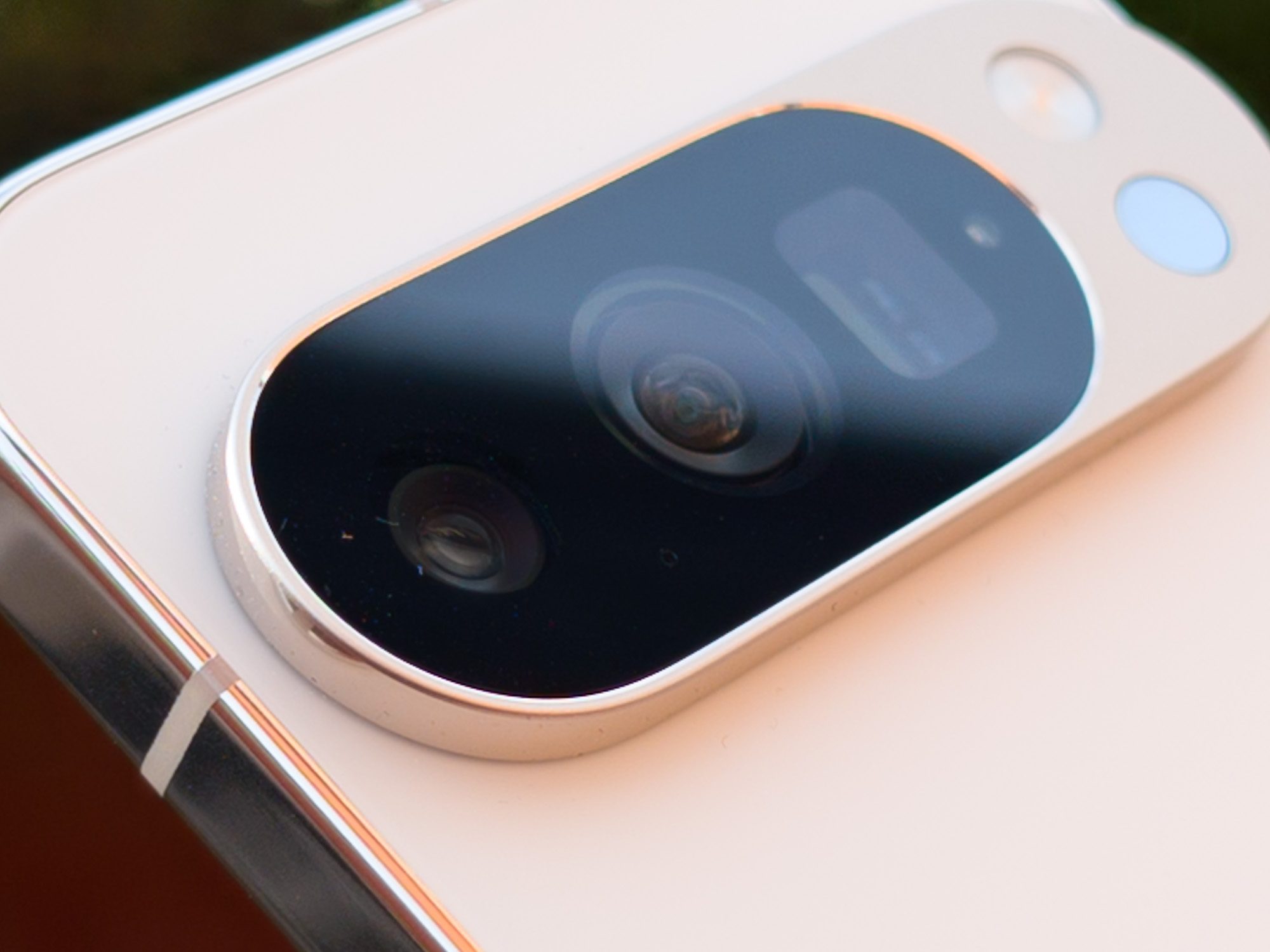
If using the iPhone Air has convinced you that you want the best smartphone camera possible — or you think that Gemini for Android will enhance your daily life — look no further than the Google Pixel 10 Pro.
Google’s latest flagship is thicker than last year’s model, but it offers the closest experience to running Android on an iPhone. In many ways, the transition from an iPhone to a Google Pixel 10 Pro is effortless, but this year’s model also gives you the improved Tensor G5 processor, fantastic battery life, and superfast charging.
The Pixel 10 Pro excels in two key areas: magnetic wireless charging and the camera. The Pixel 10 series is the first Android phone to support MagSafe charging, a feature similar to that found on the iPhone. Although the iPhone Air is faster, the Pixel 10 series offers the best smartphone camera available right now. The Pixel 10 Pro costs the same as the iPhone Air, although it only comes with 128GB of storage at this price.