  1. Home
  2. Mobile
  3. Legacy Archives

HP’s iPaq 500 Aims at Smartphone Market

Add as a preferred source on Google

Hewlett-Packard has decided to enter the cell phone business, taking the wraps off its iPaq 500 series Voice Messenger. The iPaq 500 is aimed to meet to telephony needs of mobile professionals via both standard mobile phone service and VoIP, while providing on the go Internet and productivity computing capabilities via Wi-Fi, Bluetooth, and the application support of Windows Mobile 6.0.

"Busy professionals are constantly flooded with email and looking for ways to quickly and easily manage it and move on with their day," said Dave Rothschild, VO of HP’s Handheld Business Unit. "Our HP iPAQ Voice Messenger smartphone gives mobile users an easy way to manage all types of communications and stay focused on their business."

Recommended Videos

Unlike previous iPaq palmtops, the 500 series won’t sport a stylus, a tiny QWERTY keypad, or even touchscreen capabilities; instead, users can use a standard numeric keypad to enter data, and HP is really hoping users will embrace voice commands. Out of the box, the 500 series will offer more than 20 speaker-independent commands to let users manage phone calls, email, calendar, and "productivity" tasks, and users will be able to respond to email messages using "VoiceReply. HP is offering little information about VoiceReply; we’re presuming that means the iPaq will record your reply as an audio file and send it off as an attachment to an email reply, although speech recognition technology which converted your speech to bandwidth-friendly ASCII would be much cooler. The iPaq will enable users to listen to email and text messages using a text-to-speech feature.

The iPaq 500 series will offer integrated 802.11b/g Wi-Fi and support for VOIP capabilities as well as enabling users to connect to the Internet—since the iPaq 500 series will be a Windows Mobile 6 device, that also means they can use Outlook Mobile to check email, sync back with home base. The iPAQ 500 series will also be the fist iPaq to offer over-the-air device management technology that HP acquired with its purchase of Bitfone; this lets business and enterprise customers remotely manage and support the iPaq 500 while it’s out and about.

Otherwise, the quad-band GSM/GPRS/EDGE iPaq 500 series sports 200 MHz TI OMAP processor, a 2-inch 176 by 220 pixel color screen, 64 MB of user memory, micro SD storage, strong battery life (HP says talk time of up to 6.5 hours, with 188 hours of standby), USB 1.1, an integrated speakerphone, Bluetooth 1.2, and a stereo headphone output. HP is aiming the iPaq 500 series at enterprise customers, although it will be available to individuals through unspecified U.S. mobile operators. HP says the units will be available "this spring"—here in the northern hemisphere we take that to mean "before June"—at U.S. prices around $300 to $350.

Geoff Duncan
Former Contributor
Geoff Duncan writes, programs, edits, plays music, and delights in making software misbehave. He's probably the only member…
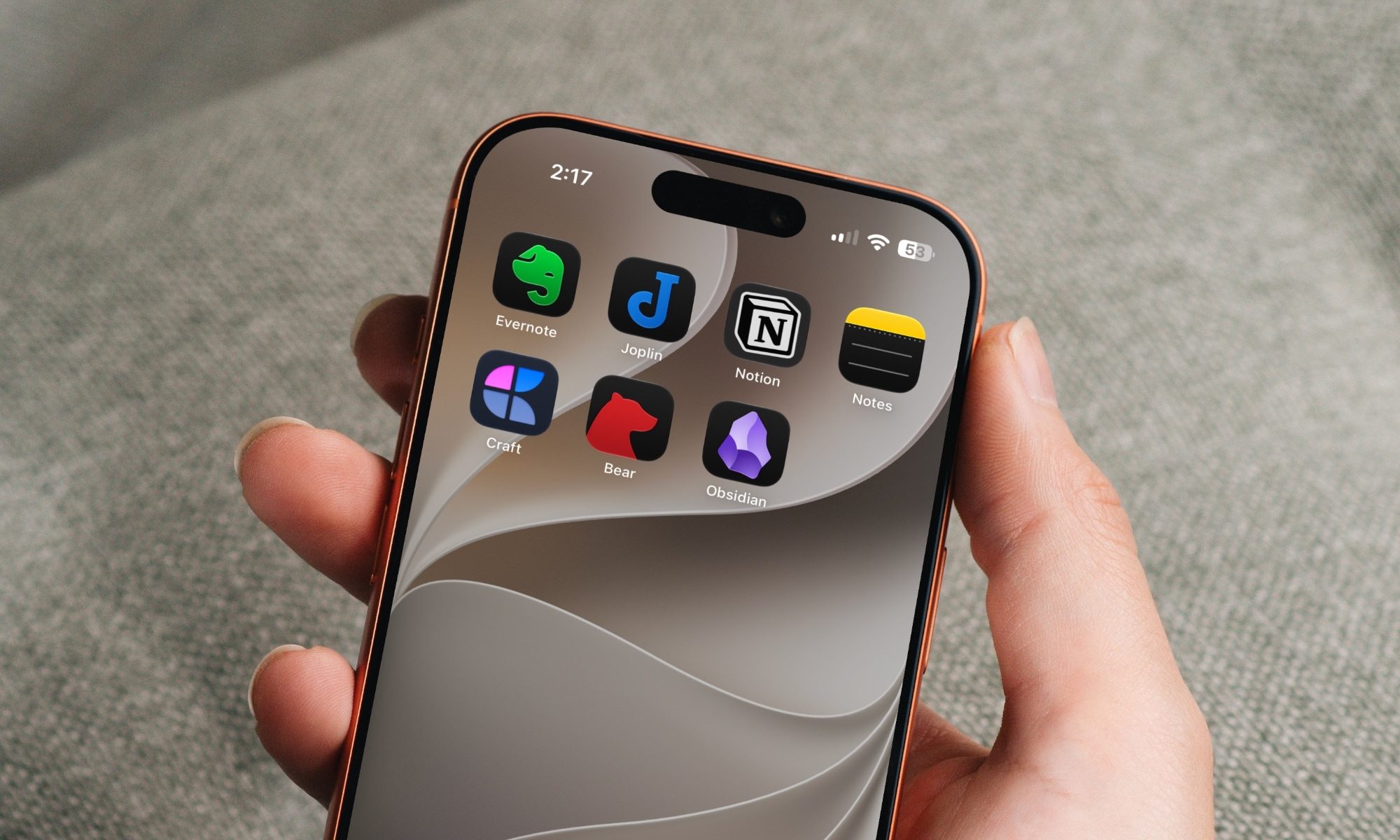
The best note-taking apps for iOS and Android
I tested these apps for months so your notes never have to switch homes again.
iPhone showing note-taking apps

Choosing a note-taking app is not easy. What note-taking app you choose depends on your needs, the platform you use, and of course, the cost. The process becomes even more complicated as it seems that there’s a new shiny app released every other week. 

That’s why I always suggest choosing a note-taking app that has all the features you need and can last you for a long time. Also, don’t chase new apps. The real power of a note-taking app comes when all your notes live in one place, making it easy to spot connections between them.

Read more
The best phones in 2026: our 14 favorite smartphones right now
We tested phones across all price brackets so that you can make the best pick based on your needs and budget.
Google Pixel 10 Pro Fold vs Galaxy Z Fold 7 cameras

Choosing the right smartphone in 2026 is no easy task. Apple and Android manufacturers now have strong options at almost every price, while better cameras, longer battery life, improved software support, new AI features, and more refined foldable designs have made the market more competitive than ever. But picking one is not easy, especially if your budget is tight, or you are just legitimately concerned about getting the best value for your money and need a reliable daily driver for long-term usage.

We have tested and compared the leading smartphones available today, looking beyond the spec sheet to see how they actually perform in daily use. Camera quality, battery life, performance, display quality, software, design, and long-term value all play a part in our recommendations. Whether you are looking for a powerful flagship, a dependable budget phone, a compact device, or a foldable, this guide should help narrow down your choices.

Read more
Snapchat Planets Meaning: Order, Rankings, and How Friend Solar System Works
Snapchat Planets turns your best friends list into a solar system, and yes, your orbit says a lot
Snapchat Planets being shown on the Snapchat app on iPhone.

Snapchat+ includes several exclusive features, but few have generated as much curiosity as Snapchat Planets. Part of the app's Friend Solar System, it transforms your Best Friends list into a planetary ranking, assigning each of your top eight friends a planet based on how often you interact.

From Mercury, which represents your closest friend, to Neptune, which represents your eighth closest, the system offers a quick visual snapshot of your interactions. But what do the different planets actually mean, and how does Snapchat decide who gets which one?

Read more