1. Home
  2. Computing
  3. Legacy Archives

Toshiba, Samsung Make Tiny Drives Bigger

Add as a preferred source on Google

Storage vendors Toshiba and Samsung continue to increase the capacities of hard disk drive systems designed to be used in notebook computers and in personal electronics like portable media players: Toshiba has announced a new 2.5-inch notebook hard drive which packs 320 GB of storage, while Samsung has announced a 1.8-inch hard drive with a 160 GB capacity.

First up, Toshiba’s new MKxx52GSX Series 2.5-inch hard drives (PDF) run at 5,400 rpm speeds and will be available in capacities ranging from 80 GB all the way to 320 GB. The drives sport an average seek time of 12 ms, offer 8 MB of onboard buffer memory, and use a 3 Gbps SATA interface; select models will also offer a free-fall sensor so systems can try to put off read and write operations until the unit has come to a full and complete stop. The company hasn’t released any information on when the drives will begin shipping to manufacturers, but word is that production will begin by the end of 2007. Toshiba also pushing the capacities of its 7,000rpm 2.5-inch notebook drives to 200 GB.

Recommended Videos

Notebook drives are great…but they don’t fit in a a camcorder or an iPod. That’s where Samsung’s new 1.8-inch hard drives make their play. Back in June, Samsung announced it would be offering its new SpinPoint N2 1.8-inch hard drives in capacities up to 120 GB; today, the company bumped that number up to 160 GB. The SpinPoint N2s run at 4,200 rpm, and Samsung is quick to point out that’s enough space for 40,000 typical MP3 files or 100 HD quality movies. Expect to see the drives appearing in camcorders—and maybe some top-of-the-line media players—in short order.

Geoff Duncan
Former Contributor
Geoff Duncan writes, programs, edits, plays music, and delights in making software misbehave. He's probably the only member…
A new technology teaching drones to feel pain could stop your self-driving car from harming itself
Drones first, autonomous cars next. A pain-sensing system that detects failure before it happens has real stakes for self-driving vehicles.
Transportation, Vehicle, Car

When you sprain your ankle in the middle of a run, your body sends a pain signal to your brain, forcing you to stop. Essentially, the ability to sense pain stops you from pushing through the injury and causing further self-harm.

Researchers at Delft University of Technology and Wageningen University have applied this exact concept to drones, giving them a digital equivalent of a nervous system that recognizes a faulty part and triggers a pain-like warning signal. What's even more interesting is that the technology could find use in self-driving cars.

Read more
Claude Fable 5 is leaving subscriptions, but maybe not for good
High demand is pushing Claude Fable 5 out of subscriptions for now
Claude Fable 5 and Claude Mythos 5 Official Render

Anthropic’s most advanced publicly available Claude model is still leaving standard subscription access after July 7, but the company is now trying to calm fears that the move is permanent.

Fable 5 recently returned to Claude after drawing scrutiny from the U.S. government. Anthropic said it would be included on Pro, Max, Team, and select Enterprise plans for up to 50% of weekly usage limits through July 7. After that date, the model is set to move to usage-credit billing, meaning users will pay for access outside their regular plan limits.

Read more
Yet another research breaks the hype bubble for AI browsers serving serious security flaws
Four popular AI browsers can be exploited to steal your data from other open tabs.
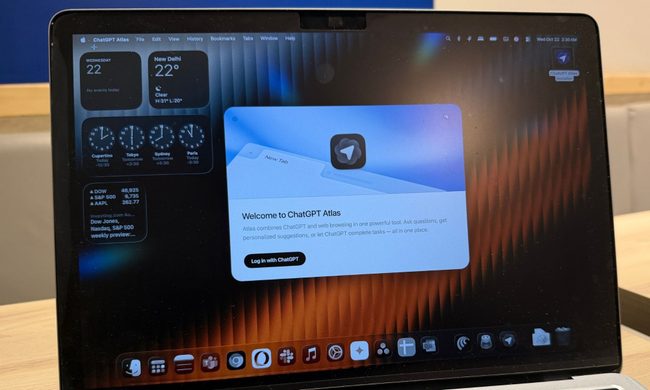
ChatGPT Atlas browser on a MacBook.

AI browsers are being sold as the next big thing. They can summarize pages, book trips, and even make purchases for you. But a new study from the University of Washington found that four of the seven most popular ones come with a security risk serious enough to let malicious websites steal data from other sites you have open. The more capable the browser, the bigger the risk turns out to be.

The 30-year security rule that AI browsers are breaking

Read more